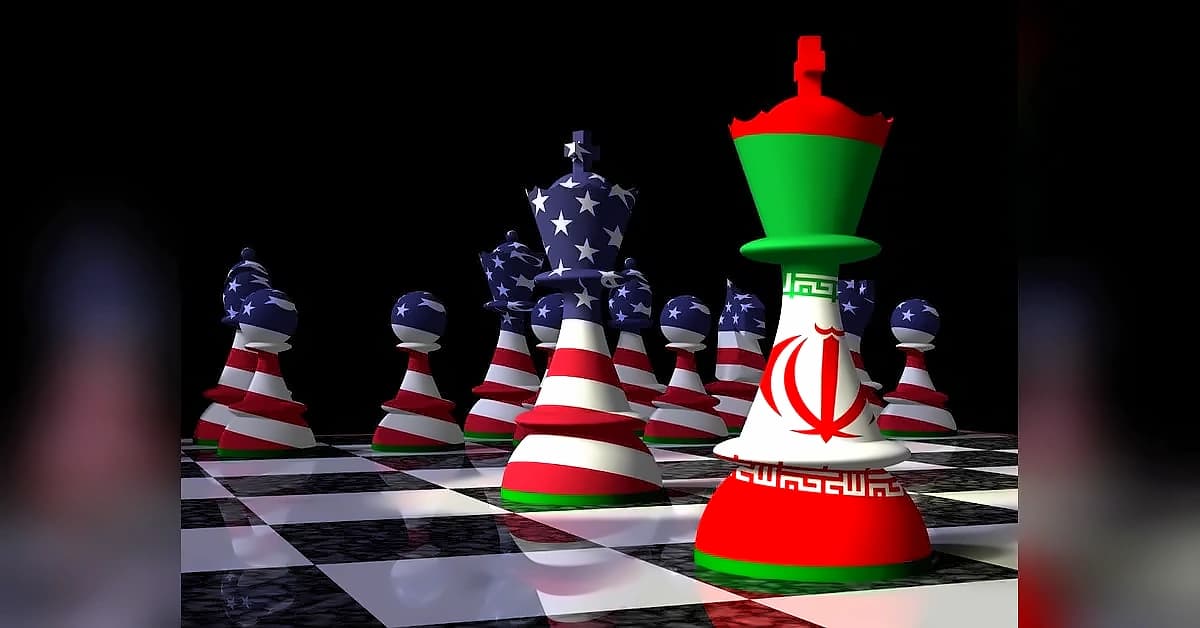
Iran has now issued a broader warning to neighboring Gulf states against allowing their territory to be used for attacks against Iran. Foreign Ministry spokesperson Esmaeil Baqaei further alleged that the US had used bases and facilities in countries along the Gulf's southern coast to stage its operations against Iran. In a significant escalation, Iran's Ministry of Foreign Affairs warned that any country allowing its territory or facilities to be used for attacks against Iran could become a legitimate target of Iranian defensive strikes. As per Business Standard, the ministry stated 'The territory or facilities of any country used to launch military attacks against Iran may be regarded as the origin of aggression and treated as a legitimate target for defensive operations by the Iranian armed forces.' This represents a significant escalation from previous warnings, with Iran now explicitly targeting any nation facilitating US military operations.
Iran's Foreign Ministry has escalated its criticism of the United States, accusing Washington of violating last month's ceasefire memorandum of understanding (MoU) through recent military strikes. Foreign Ministry spokesperson Esmaeil Baqaei rejected characterizations of the fighting as a military confrontation, arguing instead that it represented the continuation of an unprovoked act of aggression initiated on 28 February by the United States and Israel. In a statement issued on Monday, Baqaei noted that 'only 25 days have passed since the ceasefire agreement ending the war' and described the US strikes carried out over the past 24 hours as a clear breach of the UN Charter. The Foreign Ministry spokesperson alleged that Washington had violated almost every element of the understanding by striking Iranian transport infrastructure, commercial shipping, cargo vessels and aviation facilities, calling the assaults among the most serious war crimes committed in the conflict. According to Business Standard, Iran has now urged the United Nations to hold the United States accountable for what it described as acts of aggression.
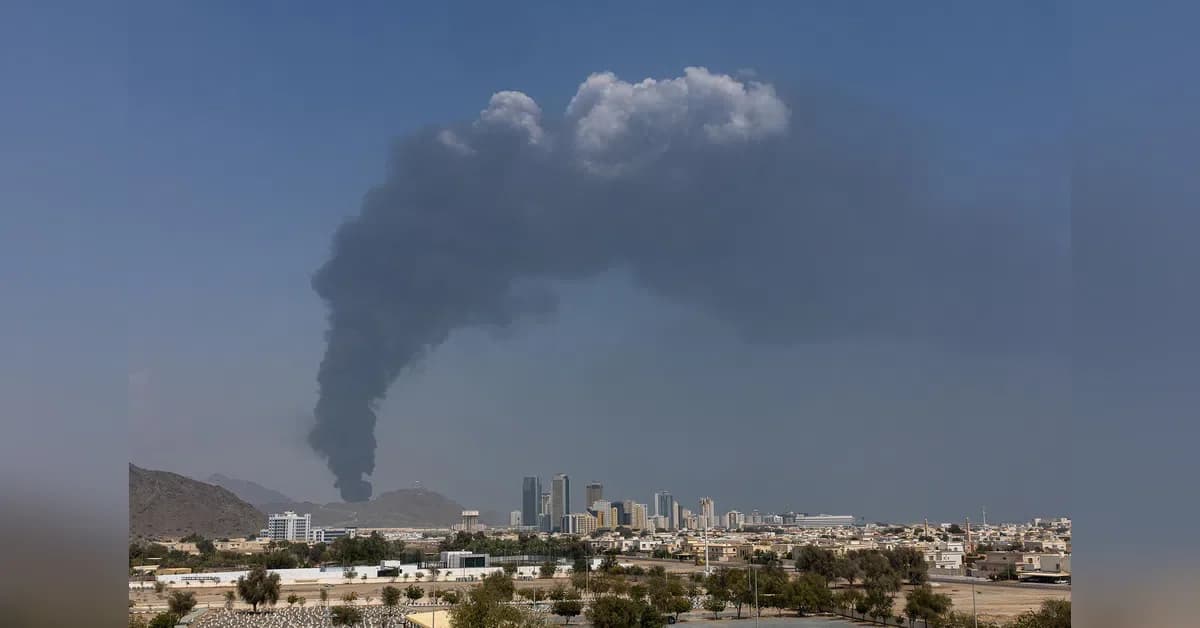
The latest developments have triggered a series of military confrontations that have pushed Iran-US relations to their most volatile point in recent months. US Central Command (CENTCOM) stated that the operation is intended to further degrade Tehran's ability to target civilian mariners and commercial vessels transiting the Strait of Hormuz. According to Iran's Press TV, three explosions were heard in the southern Iranian cities of Jask, Bandar Abbas and Sirik following the US operation. US forces hit approximately 140 Iranian military targets on Saturday with precision munitions launched by land- and sea-based fighter aircraft, drones, and naval vessels. Targets included Iranian missile and drone sites, naval capabilities, ammunition storage facilities, communication networks, and coastal surveillance locations. The escalation has prompted calls for more aggressive responses, with conservative outlets arguing that strikes on US assets in Kuwait and Bahrain demonstrated that confrontation costs would not remain limited to Iranian territory.
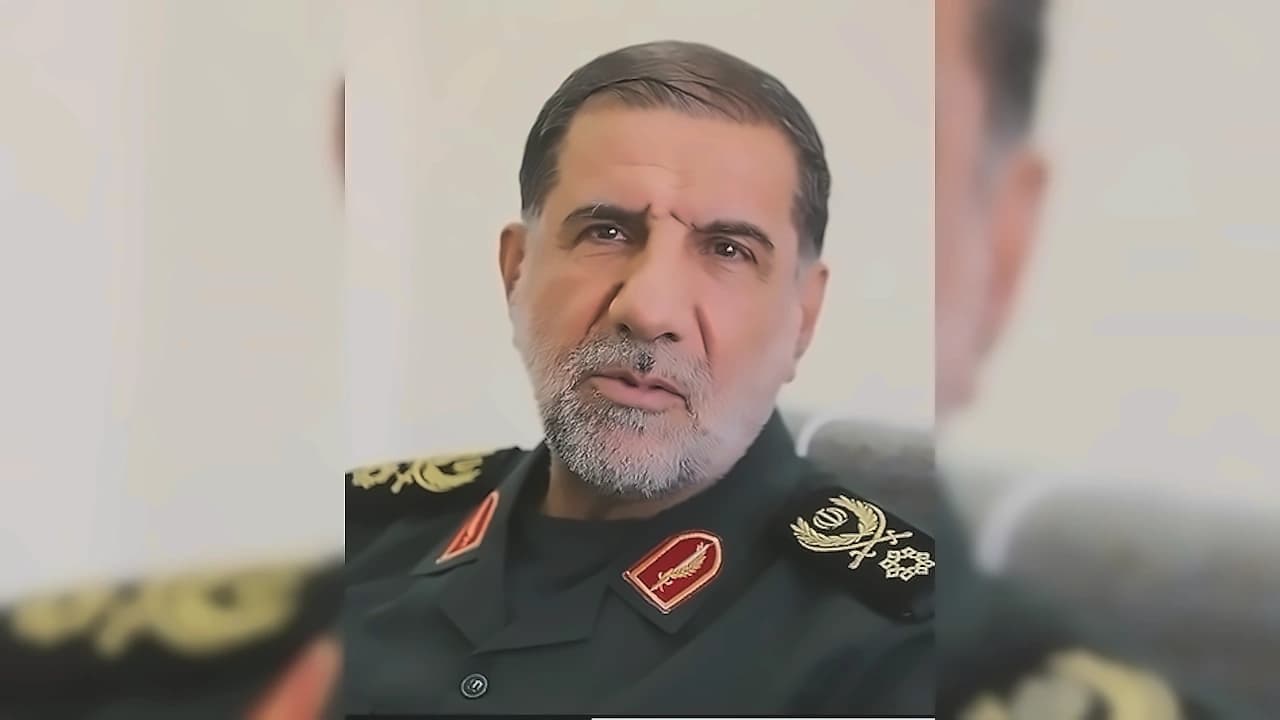
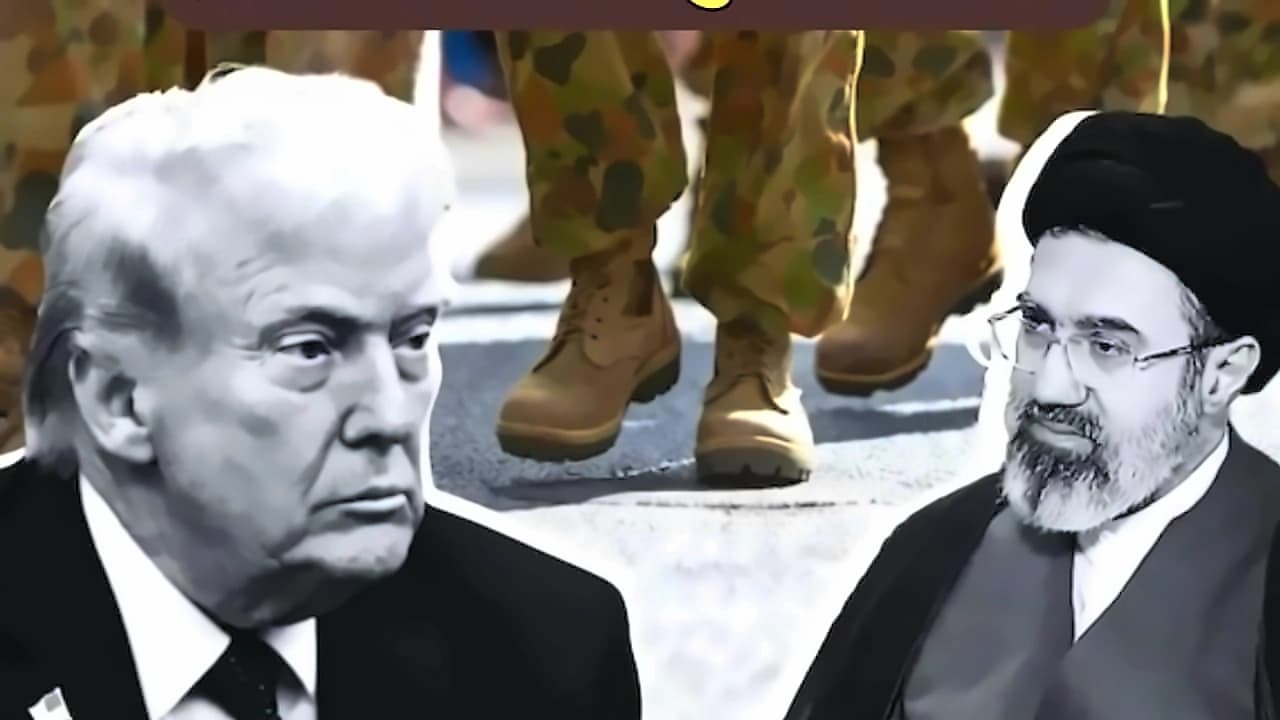
Iran has now issued a broader warning to neighboring Gulf states against allowing their territory to be used for attacks against Iran. Foreign Ministry spokesperson Esmaeil Baqaei further alleged that the US had used bases and facilities in countries along the Gulf's southern coast to stage its operations against Iran. The escalating tensions have created significant regional uncertainty, with growing concerns over the security of critical energy and transport infrastructure across the Gulf region. Hamshahri argued that strikes on US assets in Kuwait and Bahrain demonstrated that the cost of confrontation would not remain limited to Iranian territory, warning that 'If Iran cannot openly sell its crude, no state in the region will be permitted to export energy.' The situation has strengthened the hand of hardliners, with ultraconservative MP Hamid Rasai calling for a missile strike on Trump's residence during his visit to Ankara for a NATO meeting. Despite the renewed confrontation, many Iranians appear more subdued than during previous crises, with widespread exhaustion and emotional numbness rather than panic. The Iranian rial has weakened sharply, with the US dollar rising from about 1.6 million rials to more than 1.8 million rials, while point-to-point inflation has reached nearly 83 percent according to the Central Bank of Iran's latest figures.