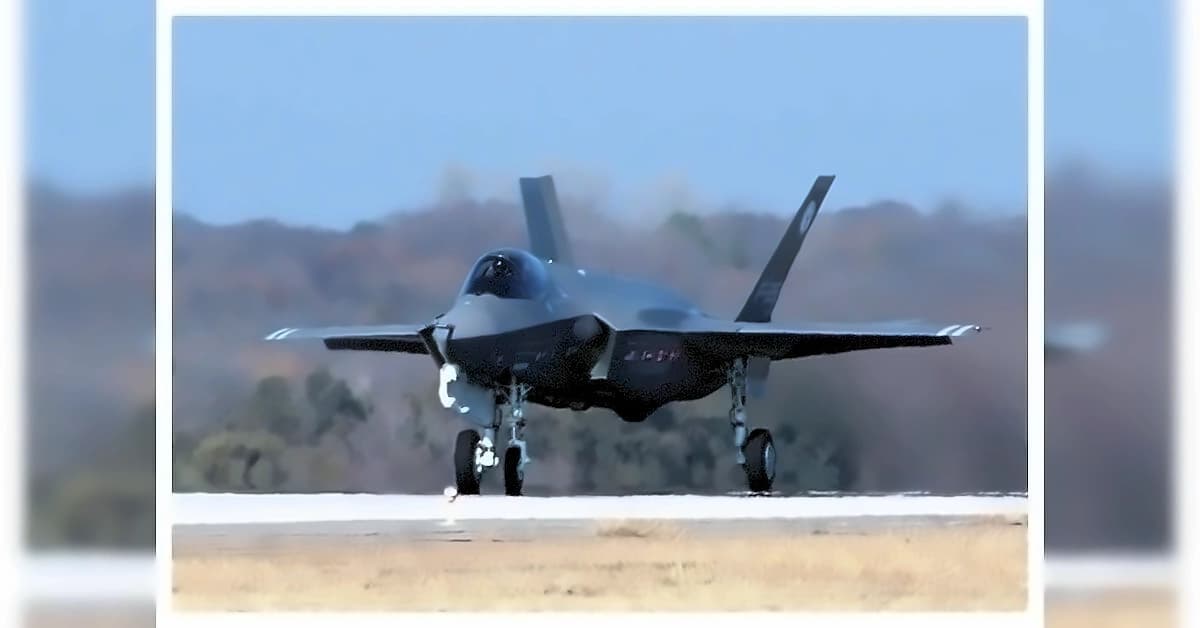
Iran launched ballistic missiles at two US air bases in Jordan following American strikes on Larak Island, according to reports from Press TV. The Islamic Revolutionary Guard Corps (IRGC) shared footage of the missile launches targeting the technical and maintenance infrastructure and fighter-jet positions at both King Hussein and Al-Azraq air bases. As confirmed by Fox News, the Iranian attacks followed US airstrikes on Larak Island in southern Iran, where several people were killed and wounded, as reported by Iran's IRIB. The IRGC stated it had carried out attacks on the two US military bases in Jordan in response to "the US-Israeli enemy's attack on Larak Island," with the statement concluding "Every strike will be met with an even more forceful response." A spokesperson from the semi-official news agency Fars said the US would pay for the attack economically and militarily, according to Reuters.
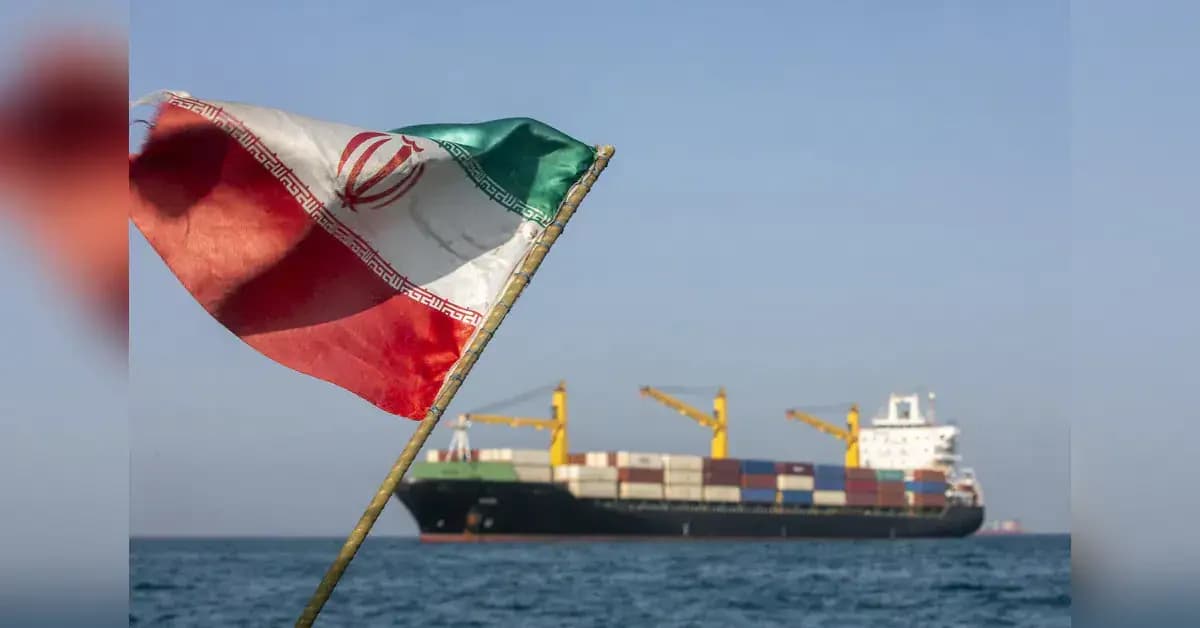
The Iranian retaliation followed American attacks on Larak Island, where several people were killed and wounded, as reported by Iran's IRIB. The American attack occurred in two waves according to Iranian reports, with Iran claiming that sounds heard from Sirik were caused by Iranian defensive actions. The US struck Iranian missile launchers after IRGC forces were seen preparing to fire towards the Strait of Hormuz on Sunday, according to Fox News. US intelligence indicated that the Iranians were planning to launch rockets with sea mines attached to redeploy mines in the Strait of Hormuz, prompting the US military response. A US official confirmed that earlier today US forces struck two Iranian launchers on Larak island, with the US saying its attacks were aimed at preventing Iran from launching more sea mines into the strait. The attack marked the first known US strike on Iran since late July, representing a significant escalation in the ongoing conflict.
US Central Command confirmed that the blockade against Iran remains in place, with 83 commercial vessels redirected, 3 disabled and 2 boarded as of Sunday, according to CENTCOM reports. The military operation involves CENTCOM forces enforcing compliance with the blockade measures. The recent developments follow the August 24 announcement by US Treasury Secretary Scott Bessent regarding the launch of "Operation Economic Outcast," a campaign designed to cut off Iran's global financial networks and regime revenue sources. The war has now crossed its six-month mark, with Washington threatening to impose costly sanctions on countries that support Iran. Trump said last week that all mines placed in the Strait of Hormuz by Iran as part of its efforts to blockade the route had been detonated or removed, warning that any ship or boat deploying new mines would be destroyed.
IRGC spokesman and public relations chief Hossein Mohebbi condemned the military action as a "strategic and fatal mistake by the Trump regime" occurring alongside newly imposed US economic measures. Mohebbi stated that "this action was a strategic and fatal error by the Trump regime in the course of the economic war, an error that will shift the balance against its planners and will entail heavy costs." The IRGC warned that "the enemy will pay the consequences of this miscalculation in both the economic and military arenas." Iranian state broadcaster Press TV reported that Iran had launched missiles at US ships in the Strait of Hormuz early on Monday morning, with the IRGC claiming the attack "destroyed" the bases and "caused heavy damage," contrary to reports from US officials. Iran's semi-official Tasnim news agency reported the US attack was carried out by drones, with reports indicating that two people were killed and two others injured.
The exchange of strikes came shortly after the US-Iran war hit the six-month mark, with hostilities having been subsiding in recent weeks. The US and Israel attacked Iran on February 28 and Iran responded with its own strikes on Israel and Gulf states that host US bases. Diplomatic efforts, spearheaded by mediators including Pakistan and Qatar, have tried for months to bring an end to the war to no avail. While a ceasefire was agreed in April and a memorandum of understanding towards a final peace deal was signed in June, no agreement has been forthcoming and Washington has since declared "economic warfare" against Tehran. The war has led to the blockade of the strait of Hormuz, which before the conflict accounted for the transit of about a fifth of the world's oil barrels consumed. Jordan's army reported that it intercepted eight missiles that breached the Kingdom's airspace at dawn on Monday, according to the state Petra News Agency. Reuters reported that on Sunday night, all incoming missiles on US forces in Jordan had been intercepted with no significant impact so far.