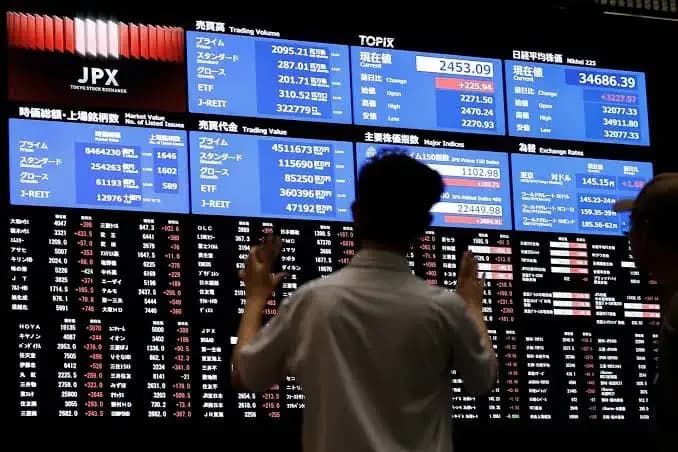
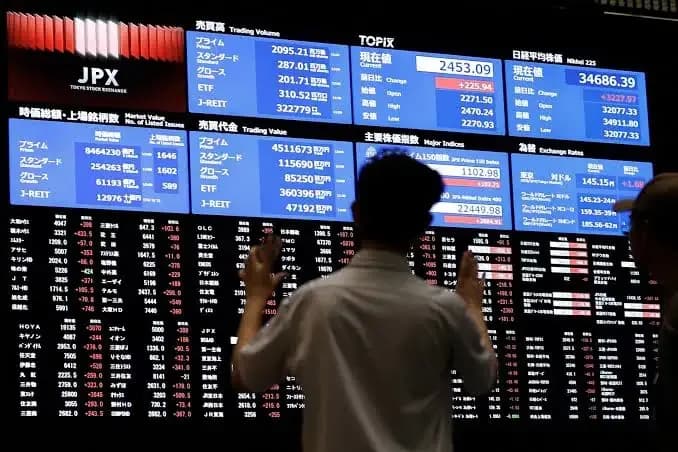
Japanese investors sold foreign bonds at the fastest pace in nearly three months during the week ended July 18, as reported by Reuters. According to data released by Japan's Ministry of Finance, Japanese investors were net sellers of 970.5 billion yen ($5.92 billion) worth of foreign bonds during the week, marking their largest weekly net divestment since April 25. The selling was primarily driven by long-term debt securities, with investors offloading a net 714.4 billion yen, while net sales of short-term foreign bills stood at 256.1 billion yen.
The bond selloff was triggered by rising oil prices that have intensified concerns about persistent inflationary pressures, as reported by Reuters. Higher oil prices have prompted central banks to maintain interest rates at elevated levels for an extended period, reinforcing expectations that global interest rates could remain higher for longer. This inflation outlook has particularly impacted long-term debt securities, which saw the largest outflows during the week. However, Japan's debt dynamics present a different picture from other major economies, with about 90% of the country's government debt held domestically in local banks and insurance funds, meaning there are few foreign investors who could dump bonds in moments of global economic panic.
The shift in sentiment came amid a broader global selloff in semiconductor stocks, which weighed on equity markets, according to Reuters. Japanese investors turned net sellers of foreign equities during the week, with foreign investors also reducing their exposure to Japanese assets. Foreign investors sold a net 185.1 billion yen of long-term Japanese bonds and 305.6 billion yen of short-term bills, while foreign investors also turned net sellers of Japanese equities, offloading 79.5 billion yen worth of shares.
Despite Japan's debt-to-GDP ratio of 204%, economists aren't sounding the alarm as they are with the U.S., which has a 126% debt-to-GDP ratio but total debt exceeding $39 trillion. Japan's household savings rate worth about one-third of the country's GDP—double that of the U.S.—with households saving more aggressively for longer retirements, further reducing Japan's reliance on overseas bondholders. As Jack Salmon from the Mercatus Center noted, "Japan is the world's largest creditor nation. The U.S. is the world's largest debtor." However, Japan's yen is depreciating due to the Iran war pushing up oil prices, U.S. inflation concerns, and increasing dollar demand, while long-term bond yields are increasing, forcing the country to potentially raise interest rates to fight inflation.