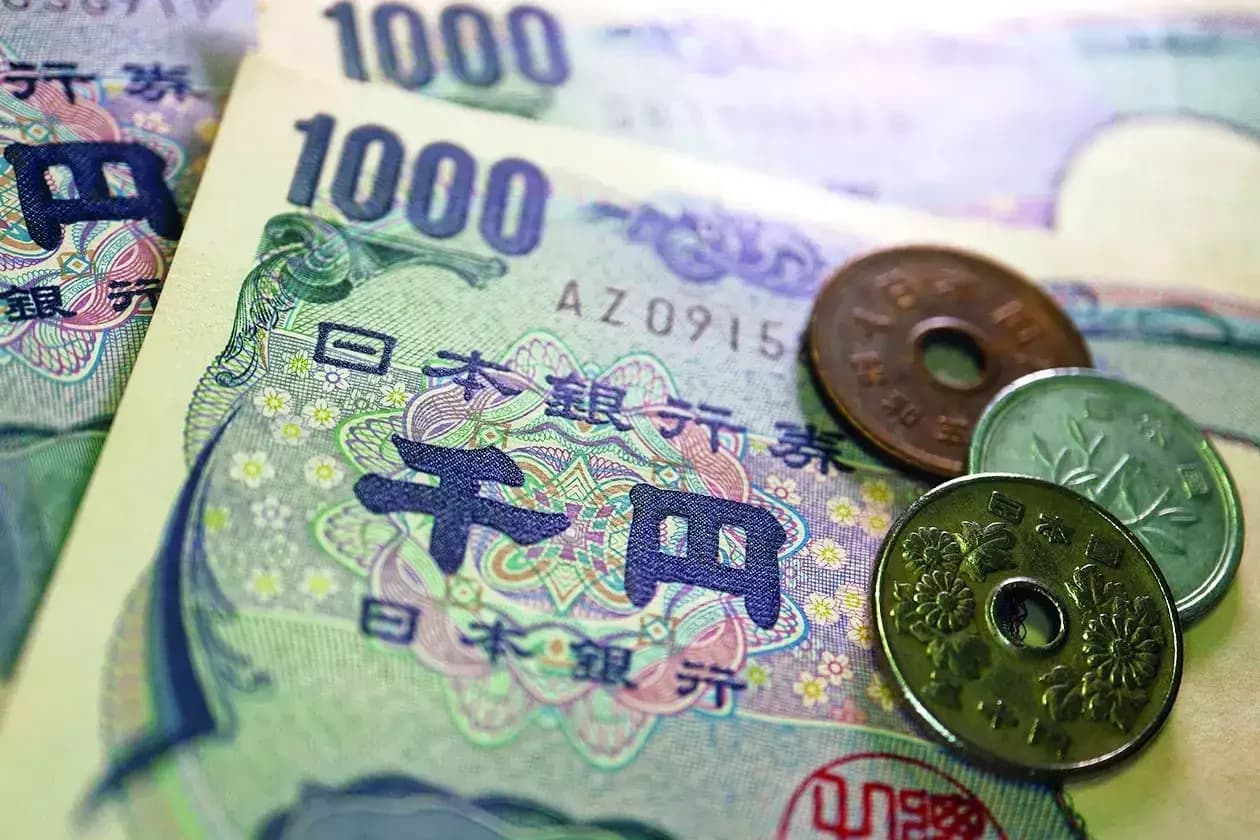
Japanese and U.S. authorities successfully intervened in currency markets, driving the yen's nearly 5% appreciation over three sessions. According to Investing.com, the yen fell to 157.47 on Wednesday before stabilizing, with both countries signaling readiness to intervene again if necessary. Tokyo deployed approximately 5.33 trillion yen during Friday's operations, while media reports indicated intervention volumes reached a record 8.45 trillion yen the previous day. This marked the largest such operation in decades, following the yen's decline to four-decade lows in July 2026 due to rising energy prices, budget risks, and wide interest rate differentials.
Japanese investors returned to overseas bond markets for the first time in three weeks, purchasing net ₹477.9 billion ($3.03 billion) in foreign long-term bonds during the week ended August 1. According to data from Japan's Ministry of Finance, this marked their first weekly net purchases since July 11. Additionally, Japanese investors bought net ₹424.7 billion in short-term bills, also their first weekly net purchases since the previous month. The currency intervention provided Japanese investors with enhanced purchasing power for overseas investments.
While Japanese investors turned to foreign bonds, they simultaneously reduced their exposure to domestic markets. According to the Ministry of Finance data, Japanese investors divested net ₹276.4 billion from foreign stocks, nearly reversing their net purchases of ₹289.1 billion in the prior week. Foreign investors, meanwhile, bought net ₹558.9 billion of Japanese long-term bonds, marking their first weekly net purchase since July 11. The yen's recent strength, supported by rising real wages for the sixth consecutive month in June, may further encourage Japanese investors to seek overseas investment opportunities.
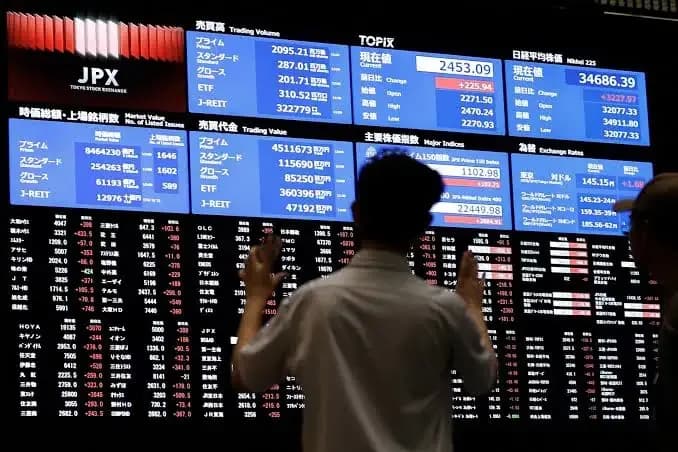
Despite the bond purchases, Japanese short-term bills recorded their fourth consecutive weekly outflow of ₹292.9 billion. Foreign investors also withdrew net ₹392.5 billion from Japanese stocks, following net purchases of ₹912.4 billion in the prior week. This trend reflects ongoing volatility in Japanese equity markets amid the currency intervention measures. The technical outlook shows USD/JPY consolidating around the 157.17 level, with potential for a pullback before resuming an upward move to 159.10.