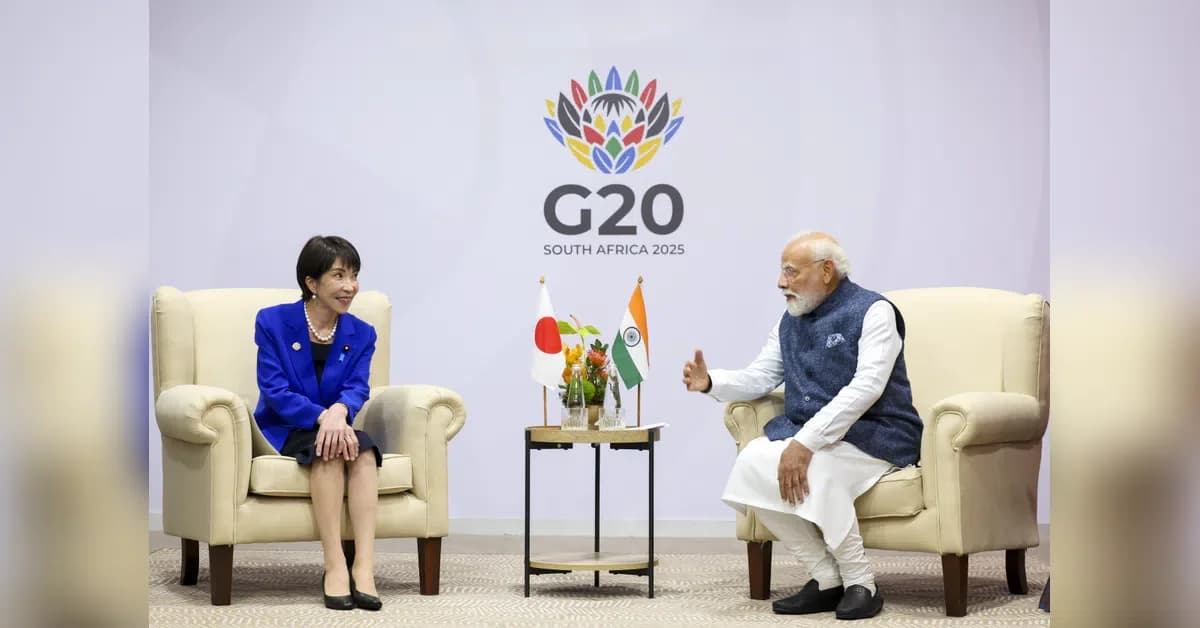
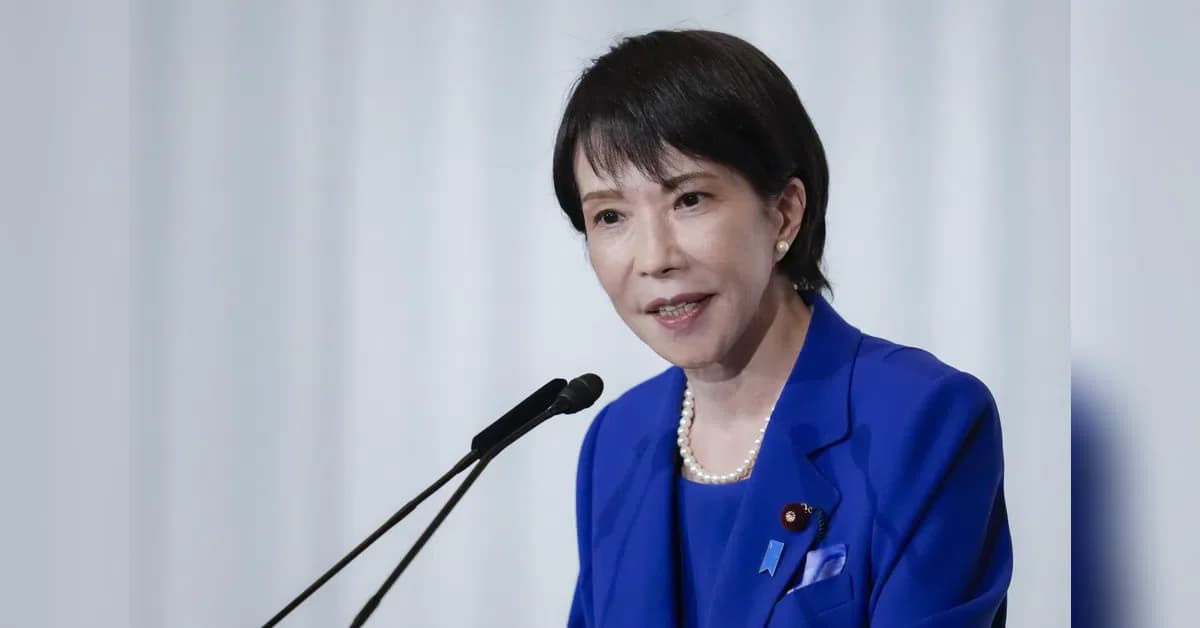
Prime Minister of Japan Sanae Takaichi's planned visit to Guwahati during July 1-3 has been officially confirmed by the Ministry of External Affairs (MEA) as cancelled due to logistical issues. The India-Japan annual summit, which was to be hosted by Prime Minister Narendra Modi in Guwahati, is now expected to proceed in New Delhi on the same dates. As per the Ministry of External Affairs, the 16th India-Japan annual summit will provide an opportunity for both sides to review and strengthen the full spectrum of bilateral cooperation as well as exchange views on regional and global issues of mutual interest.
This marks the second consecutive cancellation of a Japan-India summit in Guwahati, following the cancellation of then Japanese PM Shinzo Abe's visit in 2019 due to anti-Citizenship Amendment Act (CAA) protests. According to Business Standard sources, Guwahati was also considered as a possible venue for the current visit and was offered to the Japanese side. The July 1-3 visit will be Japanese PM Takaichi's first official visit to India. As reported by the Ministry of External Affairs, this visit follows PM Modi's visit to Tokyo in August 2025 for the 15th India-Japan annual summit and reflects the shared commitment of the two countries to further enhance India-Japan Special Strategic and Global partnership.
A delegation comprising executives from 50 Japanese companies is accompanying the Japanese PM, as reported by Business Standard. The two sides are likely to sign investment and supply chain deals, with semiconductors, renewable energy, defence, critical minerals and automobiles being among the sectors where Japanese and Indian companies could sign agreements. Japanese media reported that Takaichi will lead a high-powered delegation including automobile giant Suzuki Motor's President Toshihiro Suzuki.
During Japanese Foreign Minister Toshimitsu Motegi's visit to New Delhi for the Quad foreign ministers' meeting in May, Japanese officials expressed Tokyo's keenness to help strengthen India's energy resilience. According to Business Standard, this could involve augmenting India's strategic reserves through Japan's Partnership On Wide Energy and Resources Resilience (POWERR Asia) and the $2 billion Southeast Asia Investment Financing Facility. During Modi's visit to Japan in August 2025, Japan committed to invest yen 10 trillion in private investments in India over 10 years.