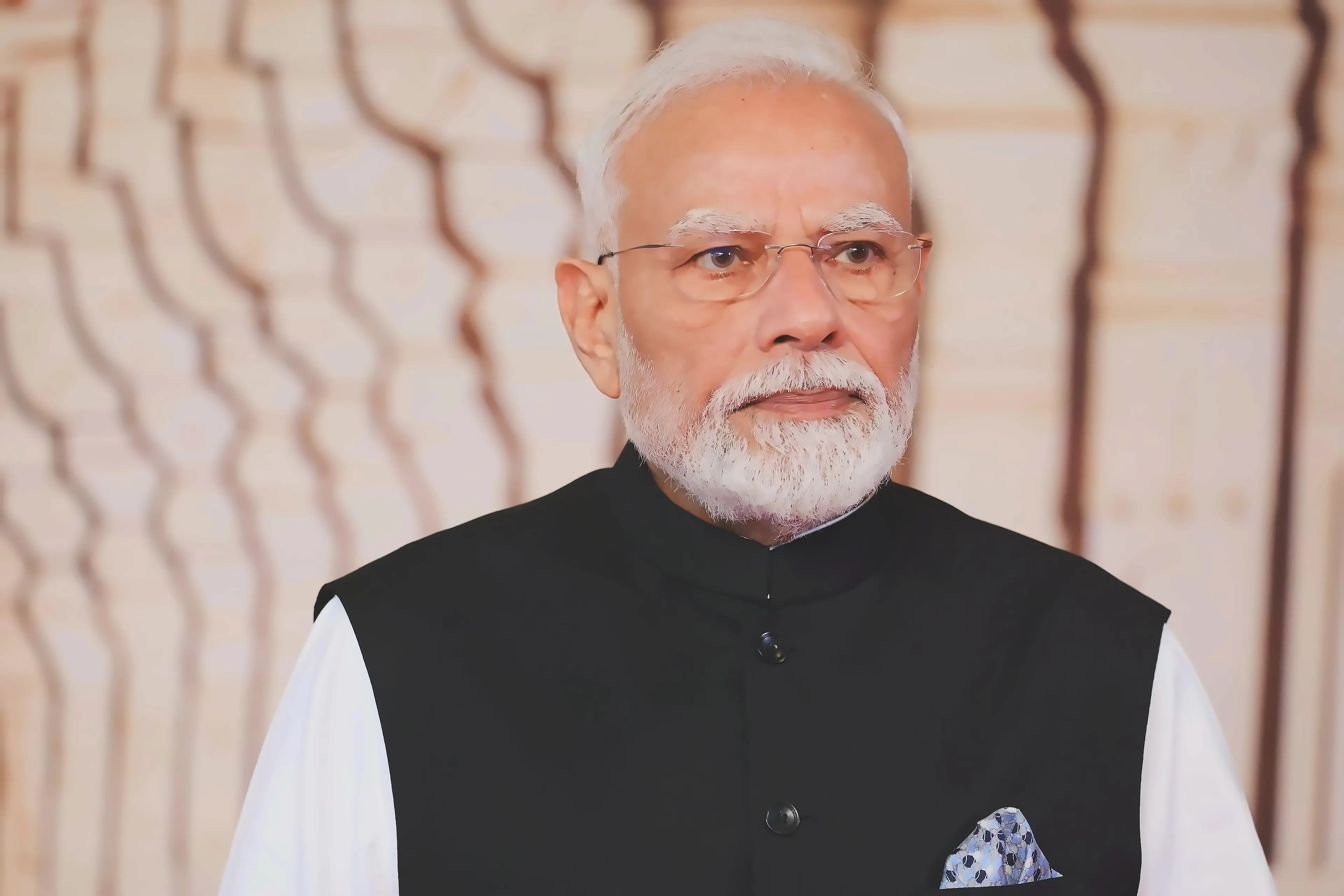
Prime Minister Narendra Modi will not travel to Iran for the funeral ceremonies of Supreme Leader Ayatollah Ali Khamenei, citing a packed schedule that includes visits to Indonesia, Australia and New Zealand. According to reports from India Today TV, Iranian President Masoud Pezeshkian had invited Prime Minister Modi to attend the funeral, with the ceremonies representing a significant diplomatic moment for regional relations. India will be represented at the state funeral by Minister of State for External Affairs Pabitra Margherita and Bihar Governor Lt Gen (Retd.) Syed Ata Hasnain. The decision mirrors India's response to the death of former Iranian President Ebrahim Raisi in 2024, when then Vice President Jagdeep Dhankhar represented the country at official mourning ceremonies. As per India Today TV, this signals continued diplomatic engagement with Iran amid heightened regional tensions.
The funeral observances are scheduled from July 4 to July 9 across multiple Iranian cities, as reported by India Today TV. According to Iranian authorities, Khamenei's body will lie in state at Tehran's Grand Mosalla complex on July 4 and July 5, allowing the public to pay their final respects. A state funeral procession is scheduled for July 6, with public holidays declared across Tehran province during the official mourning period. The week-long ceremonies will conclude on July 9 with Khamenei's burial at the Imam Reza Shrine in Mashhad, his birthplace and one of Shia Islam's holiest sites. The funeral is expected to draw nearly 20 million mourners across Tehran, Mashhad and Qom, with ceremonies also planned in Qom on July 7. If the turnout matches estimates, it could surpass the 10 million people reported at the 1989 funeral of Ayatollah Ruhollah Khomeini. The funeral ceremonies are expected to be attended by millions of mourners and several foreign dignitaries, with delegations from Iraq, Pakistan, Afghanistan, Russia, China and several Central Asian countries also expected to attend.
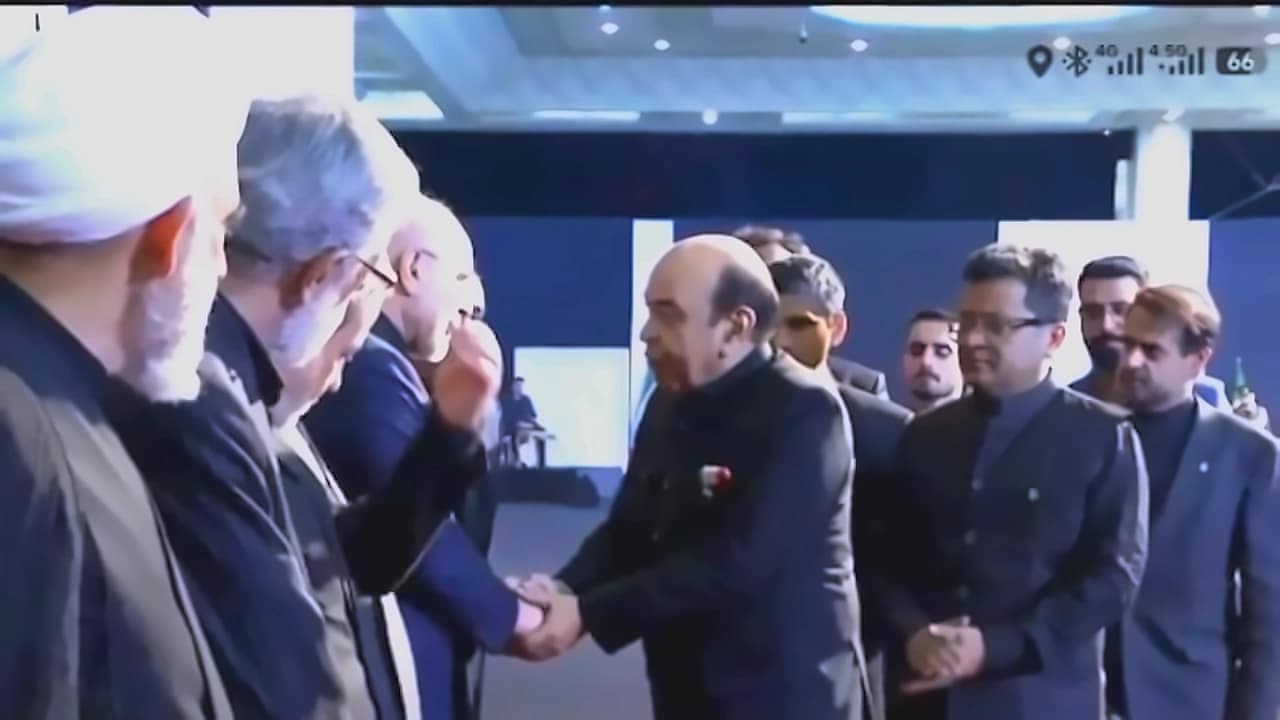
India's decision to send a high-level delegation reflects its longstanding view of Iran as part of its "extended neighbourhood" and the deep civilisational ties shared by the two countries. As per India Today TV, delegations from Iraq, Pakistan, Afghanistan, Russia, China and several Central Asian countries are also expected to attend the funeral ceremonies. Hasnain, a highly decorated former Indian Army officer with extensive experience in the Middle East and counter-terrorism, lends strategic weight to the delegation. The inclusion of Minister of State for External Affairs Pabitra Margherita underscores India's continued diplomatic engagement with Iran, with Iranian Foreign Minister Abbas Araghchi visiting New Delhi for the BRICS meetings where he held talks with External Affairs Minister S. Jaishankar. Pakistani officials are also expected to attend, with Pakistani Prime Minister Shehbaz Sharif among those confirmed to participate. During the recent West Asia conflict, Modi and Pezeshkian held telephonic conversations on a couple of occasions, and the two foreign ministers spoke to each other at least six times. The Ministry of External Affairs (MEA) announced on Thursday that Minister Pabitra Margherita and Bihar Governor Syed Ata Hasnain will travel to Iran on Friday to represent India at the burial ceremonies.
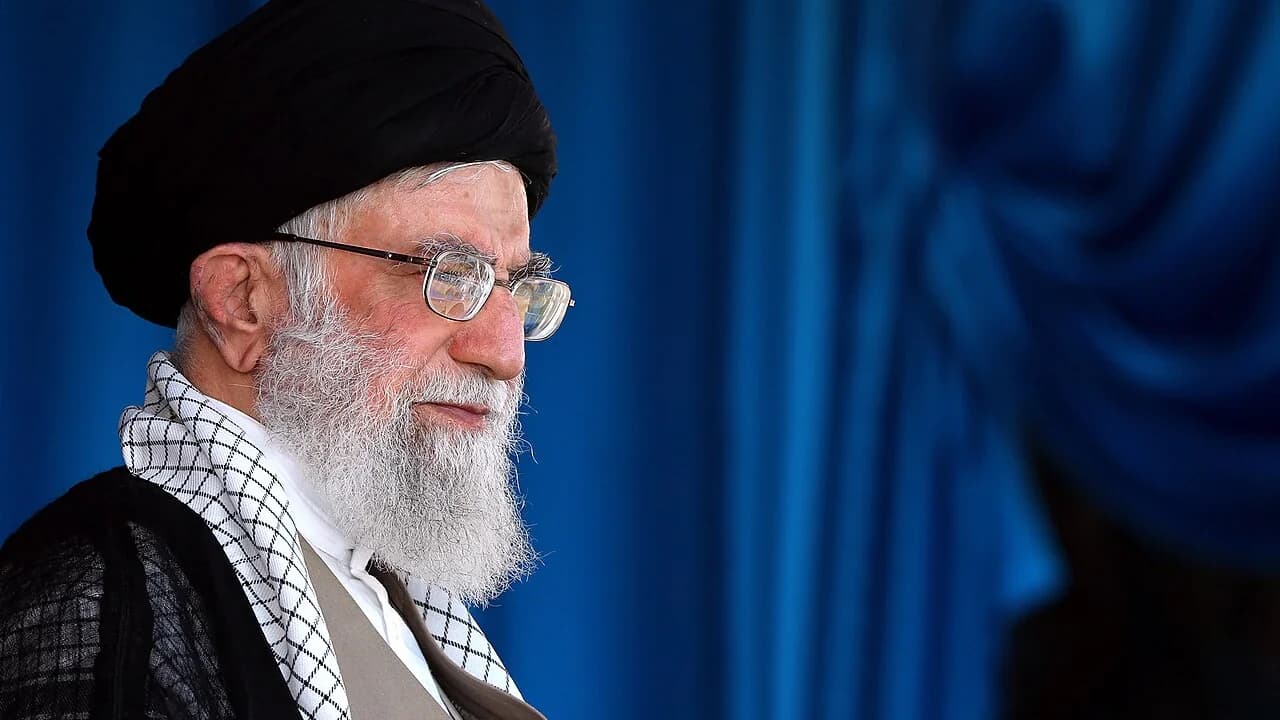
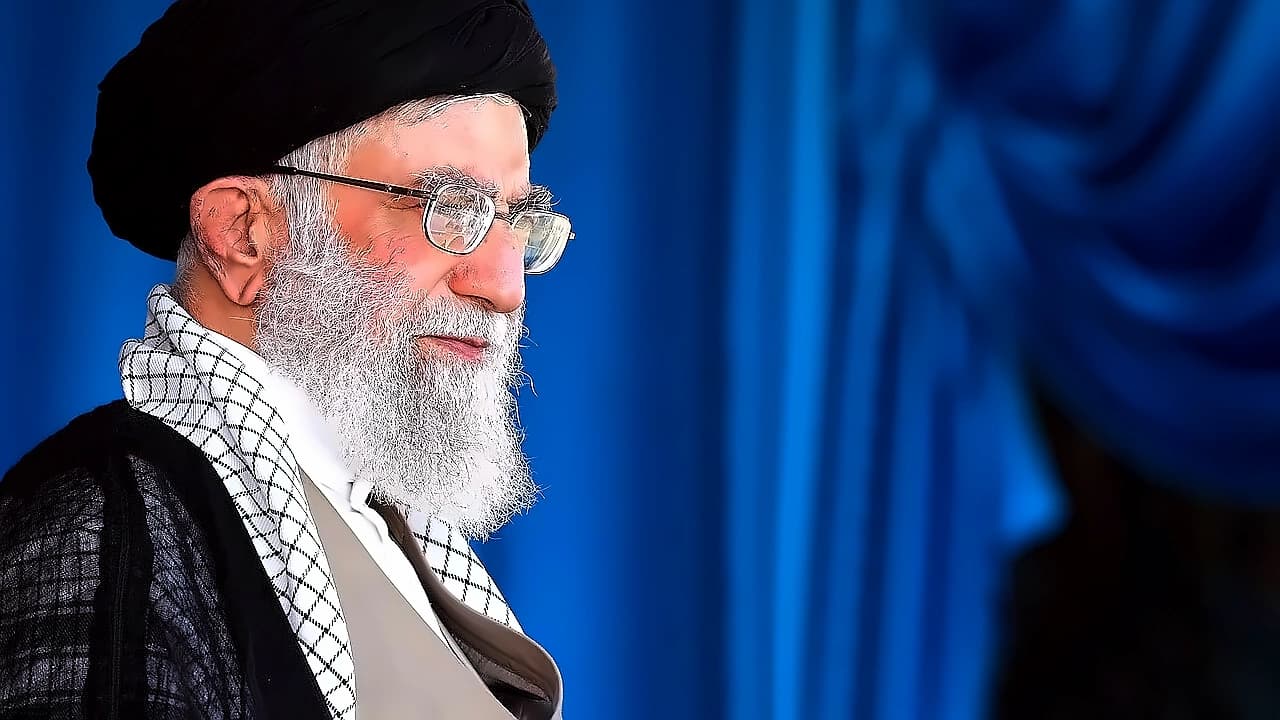
Iran's Supreme Leader, Ayatollah Ali Khamenei, was killed in a joint US-Israeli airstrike on his official compound in Tehran on February 28, 2026, the first day of Israeli and US airstrikes on Tehran. He had led the Islamic Republic as supreme leader for 36 years since 1989, following the death of Ayatollah Ruhollah Khomeini. Following his assassination, his son, Ayatollah Mojtaba Khamenei, was selected as his successor. All eyes will be on whether Iran's current Supreme Leader, Mojtaba Khamenei, 56, will make a public appearance at the funeral. He has not been seen in public or on video since he was injured in the February 28 airstrike that killed his father. Questions over his health and whereabouts have persisted, with several senior US officials claiming he is in a coma, while Iranian state media has reported he suffered severe facial disfigurement and leg injuries. Throughout the recent 40-day conflict, PM Modi and External Affairs Minister S. Jaishankar remained in touch with their Iranian counterparts, with bilateral engagement continuing in recent months. Following Khamenei's death, Foreign Secretary Vikram Misri visited the Iranian Embassy in New Delhi to sign the condolence book, underscoring sustained diplomatic engagement between the two countries.