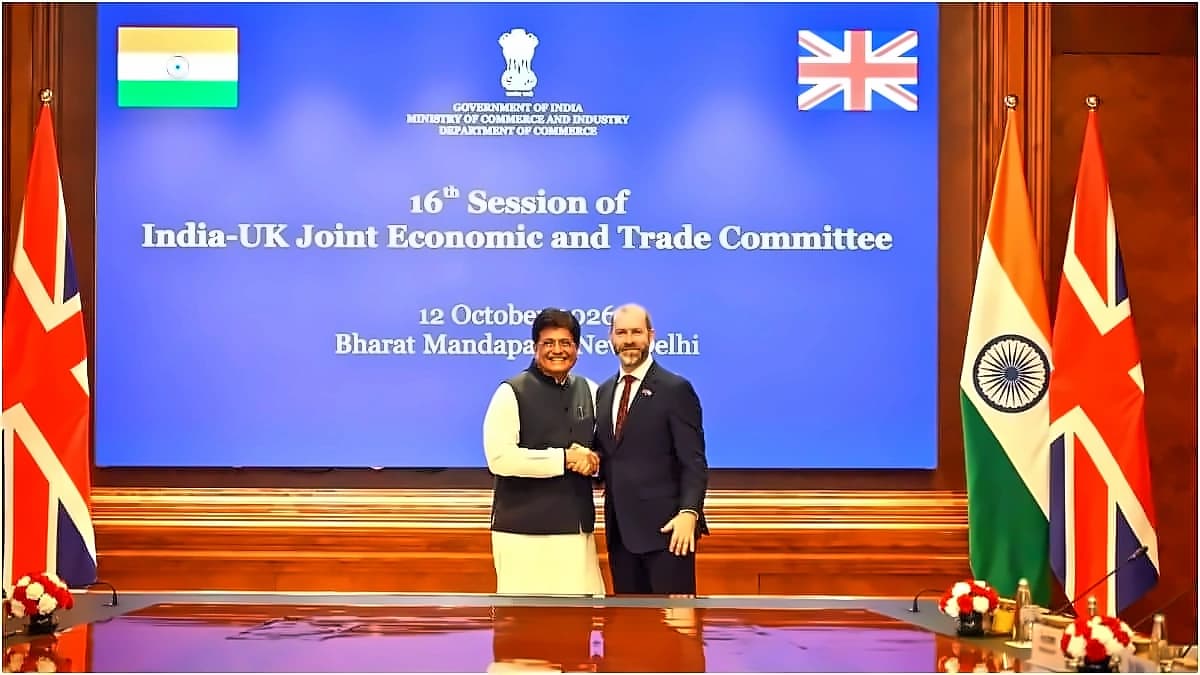
Commerce and Industry Minister Piyush Goyal has confirmed that India is actively pursuing a review of the India-Japan Comprehensive Economic Partnership Agreement (CEPA), marking a significant breakthrough in negotiations that have been ongoing for several years. Speaking after meeting Japan's Minister of Economy, Trade and Industry Akazawa Ryosei, Goyal said "I have also discussed it with my counterpart minister, and we are hoping to work towards further expanding the scope and providing new opportunities for this relationship to grow." As reported by The Times of India, Goyal noted that "we haven't got down to work on terms of reference, but once the teams have discussed, we will be open to expanding the scope, scale and the extent of the engagement because Japan today is one of our key strategic partners." The minister emphasized that both sides want to strengthen the partnership and have also discussed the importance of balanced trade, indicating a shift toward more equitable engagement terms.
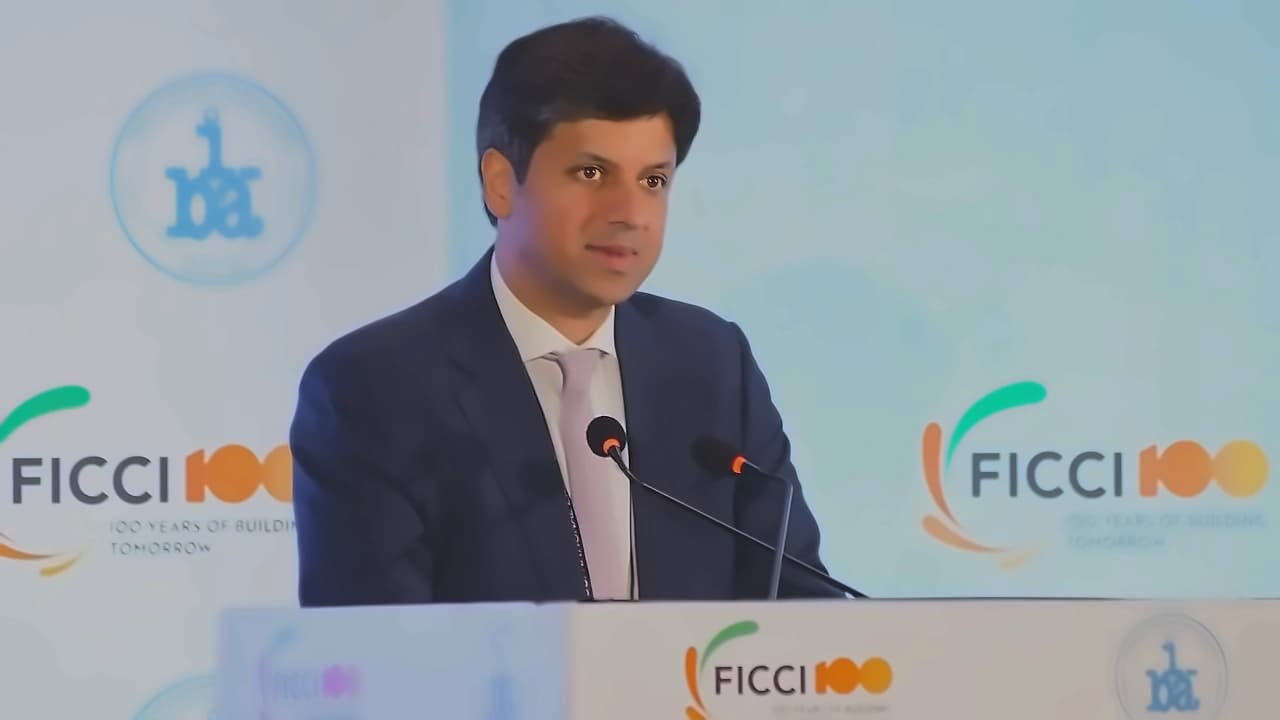
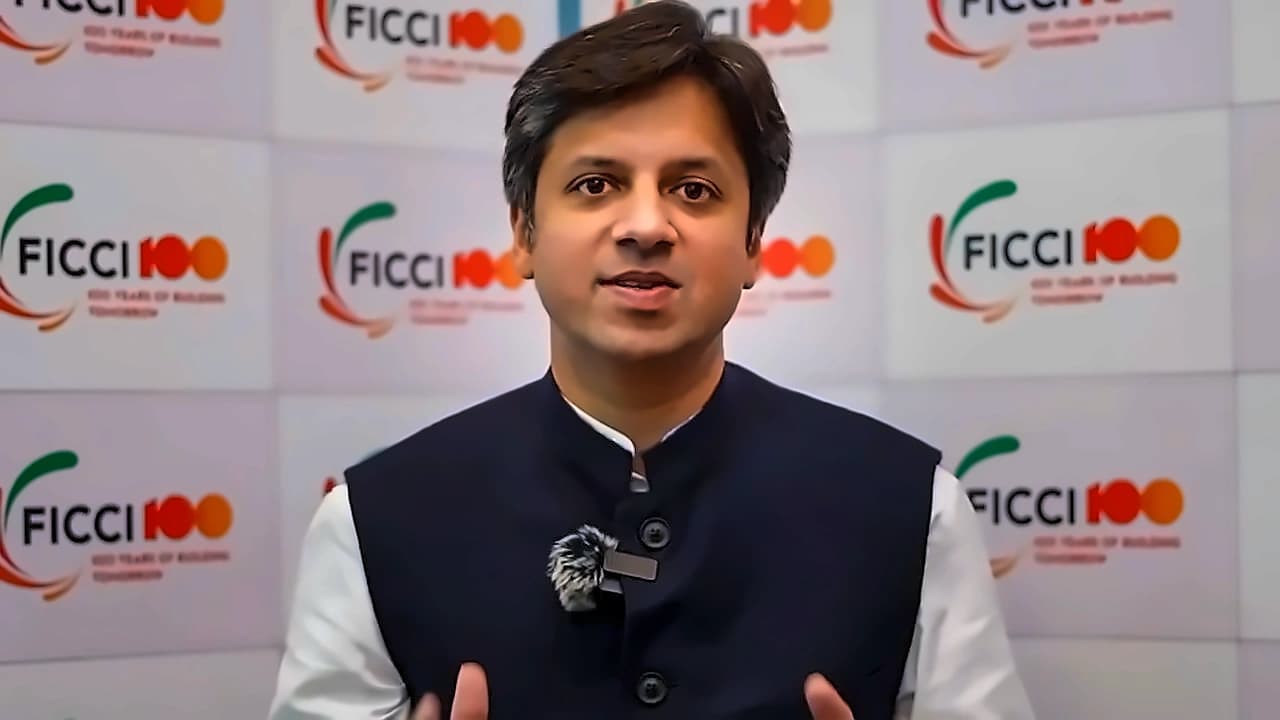
Ficci president Anant Goenka has raised significant concerns about India's widening trade deficit with Japan, highlighting the growing challenges for Indian exporters during a recent visit to Tokyo. As reported by The Times of India, Goenka emphasized that "while trade has grown, it has primarily grown one way" and noted that the trade deficit has been widening in recent years. The latest data reveals that two-way commerce between the countries grew 9.18% to USD 27.47 billion in 2025-26, with exports of USD 6.03 billion and imports of USD 21.43 billion. However, the trade deficit increased to USD 15.4 billion in the last fiscal year from USD 12.66 billion in 2024-25, compared to USD 12.53 billion in 2023-24 and USD 11 billion in 2022-23. Goenka told reporters that "the exacting standards of Japanese, even Indian manufacturing has to scale up" to address quality concerns, while noting that "some amount of cultural opening as well, there is a fair amount of bias of buying products within Japan of Japanese companies."
Businesses have specifically flagged concerns over access to the Japanese market under the current trade framework, with Goenka noting that "there is a fair amount of bias of buying products within Japan of Japanese companies." According to The Times of India, Indian companies face hurdles accessing the Japanese market due to strict regulations, creating practical implementation challenges that have emerged since the trade agreement was signed between the two countries. The 200-plus business delegation accompanying commerce and industry minister Piyush Goyal during the four-day Japan visit underscores the scale of these concerns among Indian businesses. Goenka told reporters that "Indian companies continue to face difficulties in accessing the Japanese market" and emphasized that "addressing certification and regulatory barriers would be important for making bilateral trade more balanced and helping Indian companies tap the Japanese market."
Businesses have suggested changes to the regulatory and certification regime to address current challenges, with Goenka highlighting that "recognition of Indian certification, for example, in Japan" could help improve market access. As reported by The Times of India, these recommendations indicate that existing trade mechanisms may need modification to better serve Indian businesses seeking to operate in the Japanese market. The pharmaceutical sector faces particular difficulties as companies "cannot even register their products yet in Japan." Goenka explained that "pharma companies were facing particular difficulties in registering their products in Japan" and described this as a challenge that needs to be addressed. He noted that "recognition of Indian certifications in Japan was one of the key areas that Indian industry was seeking to address" and suggested that "such issues could be resolved even outside a larger review of the India-Japan free trade agreement."
Despite challenges, Goenka identified significant opportunities for growth and deeper India-Japan cooperation in emerging sectors. According to The Times of India, there are opportunities for deeper cooperation in high-tech manufacturing, artificial intelligence, data centres, shipbuilding, critical minerals, steel and semiconductors. Additionally, there is a possibility of the two sides investing jointly in Africa to secure their supplies and expand mining capabilities, suggesting potential avenues for bilateral cooperation beyond traditional trade relationships. Goenka explained that "between the two of us, there are different capabilities that we have. We have had long relationships with Africa, a lot of Indians present there." He added that "Japan also has its own R&D strengths. So how can we jointly work towards investing more in Africa, selling more to Africa, working towards that space." He emphasized that critical minerals are key areas where the two countries can collaborate in Africa, highlighting the strategic potential of these partnerships. Commerce Minister Goyal has also announced that India would support Japan in its ambition to double the number of Japanese companies operating in the country from the current 1,580, with the government starting to permit foreign investment across sectors more liberally and providing greater support to Japanese companies looking to invest in India.