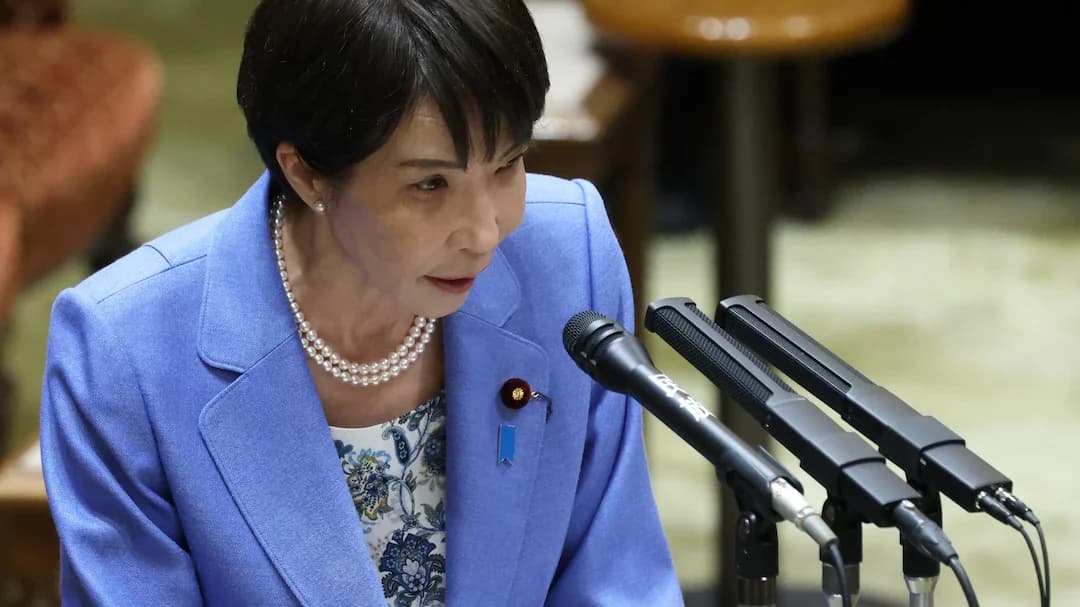
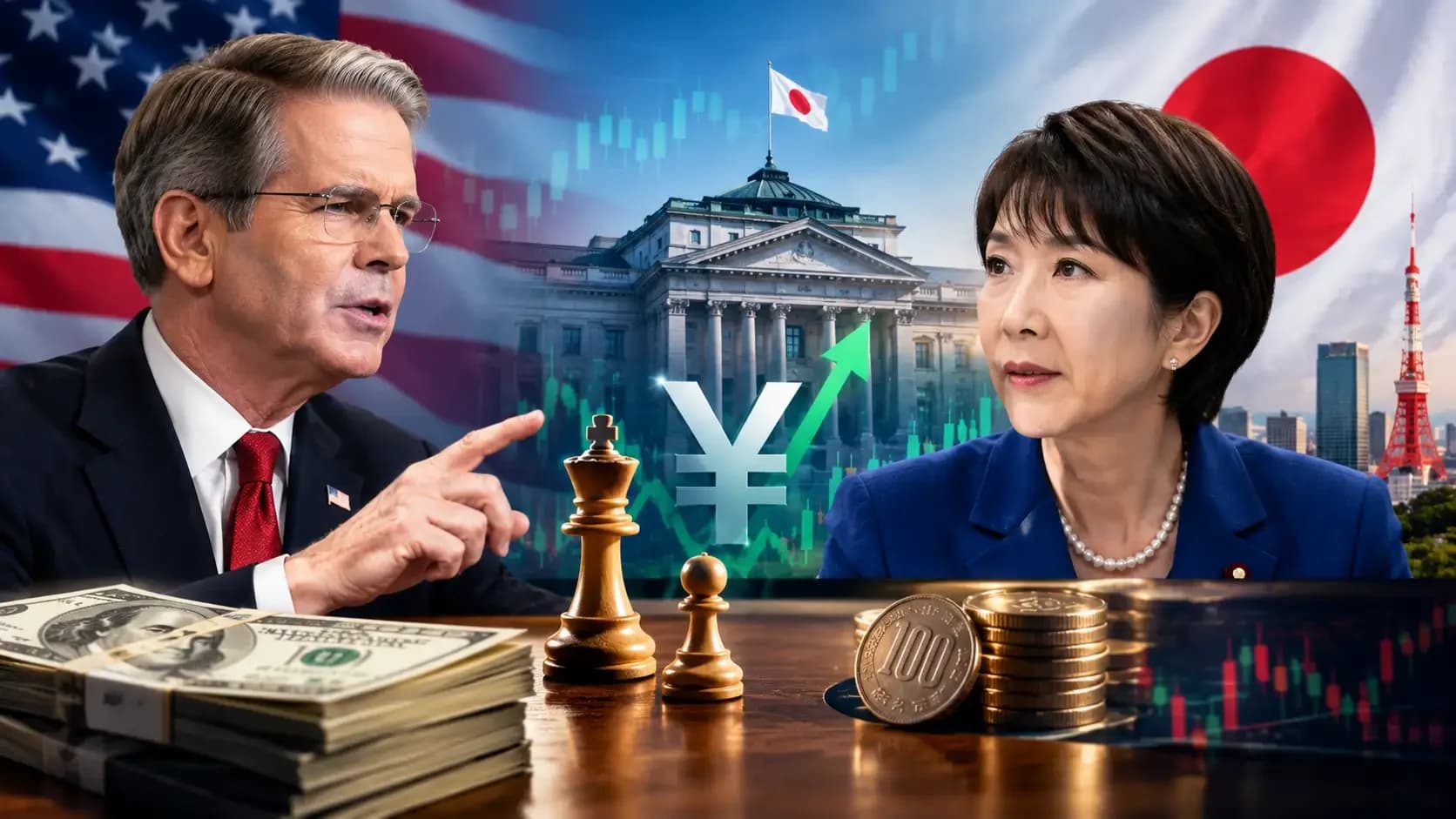
Japanese Prime Minister Sanae Takaichi has officially confirmed that the government will consider compiling a supplementary budget for the current fiscal year, running through March 2026. According to Kyodo News, Takaichi made the announcement Monday, stating that the government will consider the supplementary budget amid concern over the impact of elevated crude oil prices stemming from the Middle East conflict. The confirmation represents a formal shift from her earlier denials about the need for additional funds or fresh bond issuance. As reported by Reuters, Takaichi told Finance Minister Satsuki Katayama last week to start work on compiling the supplementary budget, representing a clear about-face from her previous ruling out of an extra budget.
The planned supplementary budget will be financed through fresh debt issuance, according to a government source with direct knowledge of the deliberations cited by Reuters. This funding strategy will further strain Japan's already worsening finances and may accelerate rises in long-term interest rates. The 10-year Japanese government bond yield rose to 2.8% on Monday, its highest since October 1996, while the 30-year yield hit a record top. The opposition Democratic Party for the People submitted a proposal Friday calling for a ¥3 trillion ($18.9 billion) supplementary budget, which may serve as a benchmark for future debates on spending size. As reported by Reuters, markets are starting to price in the chance of an extra budget to the scale of 5 trillion-to-10 trillion yen. The decision could cast doubt on the administration's pledge to pursue a "responsible, proactive" fiscal policy.
Takaichi also announced plans to reinstate energy subsidies from July to September, confirming media reports and asking the ruling bloc to ensure those subsidies will lead to lower household energy bills compared to last year. The extra budget will focus on funding government subsidies to curb gasoline and utility bills, as surging oil prices caused by the Middle East conflict cloud the outlook for an economy heavily reliant on fuel imports from the region. The government has been subsidising gasoline prices to cap them at ¥170 per liter, using reserve funds to finance the program, but those funds will likely run out by June 29 under a baseline scenario. According to Kyodo News, the government has been providing subsidies to oil wholesalers since mid-March to curb surging gasoline prices, tapping reserve funds in the fiscal 2025 budget, but fears the financing will run out. More funds will likely be required if it decides to resume support for gas and utility bills to households this summer.
The call for an extra budget comes amid renewed concerns over Japan's fiscal sustainability, with the 10-year JGB yield reaching 2.8% on Monday, its highest since October 1996. According to Reuters, the bond selloff would complicate the Bank of Japan's decision on whether to raise its short-term policy rate to 1% from 0.75% at its June meeting. The extra budget will be compiled around June or July, when the administration will lay out plans to boost investment and details for a two-year freeze on an 8% levy on food. The war-induced spike in energy prices, coupled with rising import costs from the weak yen, pushed Japan's wholesale inflation to a three-year high of 4.9% in April, bolstering the case for the central bank to raise rates as soon as next month. Takeshi Minami, chief economist at Norinchukin Research Institute, noted that there's a host of reasons to sell JGBs but very few to buy, and warned that "if the rise in yields starts to hit domestic stock prices and heighten the chance of a triple selling, that could increase criticism over ... policy."
The market reaction has been swift and negative, with Japan's Nikkei stock average falling on Monday and the yen hitting 158.97 per dollar, the weakest level since April 29. According to Reuters, the about-face by Takaichi is making markets jittery and triggering a JGB selloff across the curve. Daisuke Uno, chief strategist at Sumitomo Mitsui Banking, noted that "when countries like Japan and Britain contemplate fiscal stimulus, there's a tendency for that to trigger a triple selling of shares, currencies, and bonds because their economic growth is weak and inflationary risks are high." The extra budget will come on top of a record ¥122 trillion budget for the fiscal year that began in April, which makes up the core of the dovish premier's expansionary fiscal policy. Nearly two-thirds of economists polled by Reuters expect the Bank of Japan to raise rates in June, with markets pricing in roughly a 70% chance of a June rate hike. Mari Iwashita, executive rates strategist at Nomura Securities, added that "if inflationary risks heighten, there's a chance the BOJ could raise short-term rates to 1.5% by the March end of the current fiscal year," with the 10-year yield potentially heading towards 3%.