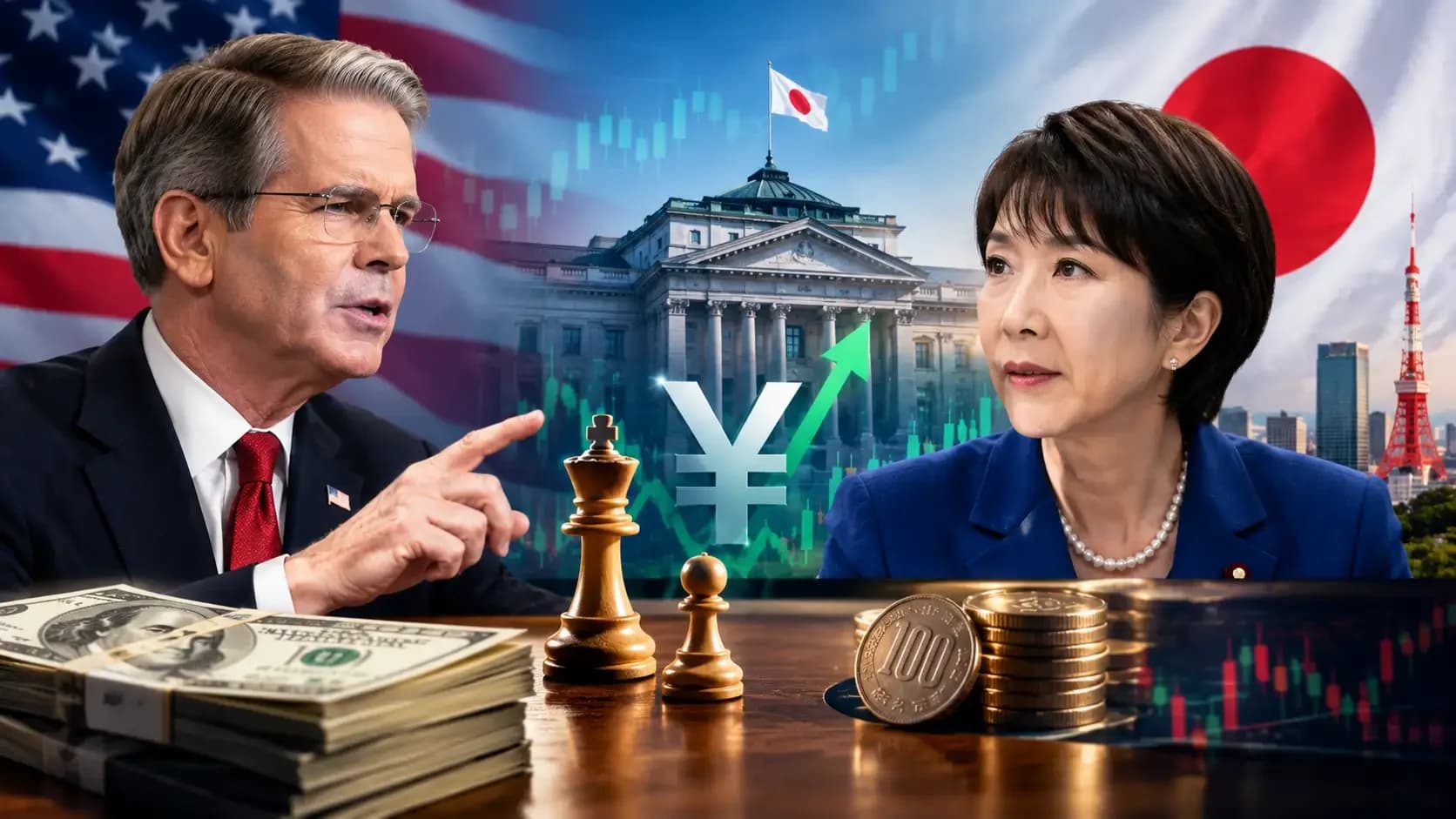
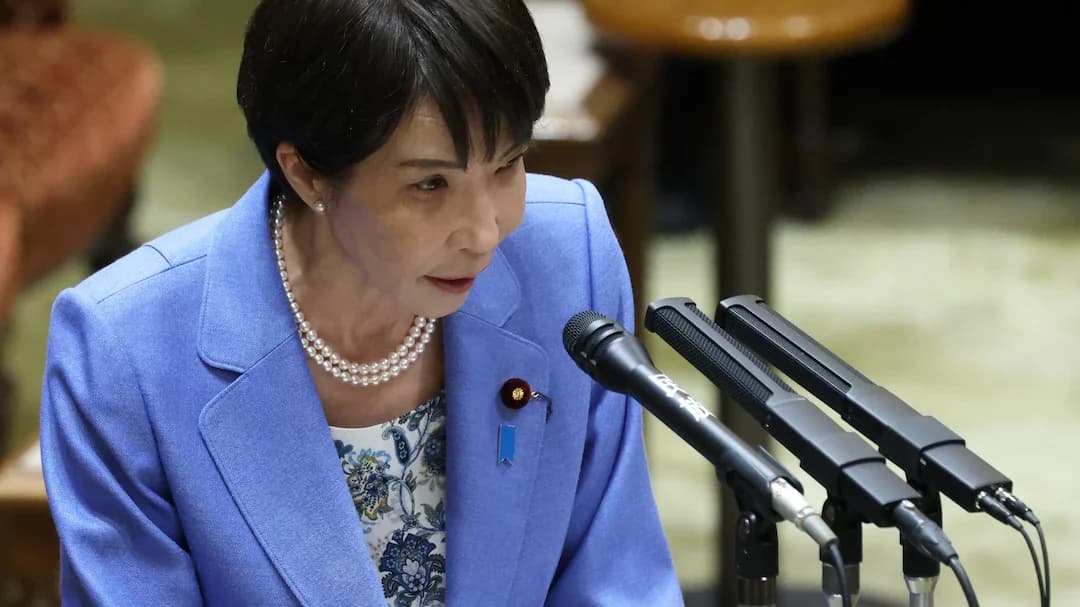
Japan faces the prospect of a 'Japanese Truss shock' similar to the UK's 2022 fiscal crisis if it proceeds with unfunded tax cuts while interest rates surge past 3% for the first time in 30 years. As reported by BigGo Finance, the combination of rising long-term interest rates and global inflation concerns stemming from Middle East tensions has created a perfect storm for Japan's fiscal position. Prime Minister Sanae Takaichi emphasized at a press conference on the 17th that 'fiscal sustainability cannot be maintained without growth,' but experts warn that relying on deficit-financing bonds could trigger a fiscal crisis from which there is no return.
US Treasury Secretary Scott Bessent has intensified pressure on Japan to implement comprehensive fiscal and monetary policy reforms as the yen crisis deepens. According to reports from The Economic Times, Bessent's approach represents an extension of Trump's trade negotiation tactics to financial policy matters, with the Treasury Secretary telling Japan to 'sit back and enjoy the success of Abenomics' while emphasizing that the age of deflation has passed and combating inflation is now critical. This represents a significant shift from previous diplomatic approaches, with Bessent's message becoming sharper and more direct in recent months, particularly as he has repeatedly urged the Bank of Japan to raise interest rates to address instability in US markets.
The diplomatic pressure culminated in massive joint intervention by Washington and Tokyo in late July, following months of groundwork and private discussions. As reported by The Economic Times, Katayama and her top currency diplomat Atsushi Mimura negotiated the joint intervention while the Bank of Japan met, with the yen spiking first on Japan's solo intervention before combined US-Japanese action extended the rally. Bessent's warning that he has 'asymmetric information' and good insight into Japanese policymakers' actions has contributed to the yen's recent strength against the dollar, demonstrating the effectiveness of his leverage over currency markets.
Japan's food consumption tax cut scheduled for April 2027 faces a critical funding gap as no clear path has emerged despite Takaichi's consistent promise to avoid special deficit-financing bonds. According to BigGo Finance, the government estimates the food consumption tax cut, combined with benefit measures, will require approximately ¥5 trillion ($32.0 billion) annually, but cuts and reductions to special tax measures and subsidies have not progressed as hoped. The Takaichi administration has pledged total public-private investment exceeding ¥370 trillion ($2.4 trillion) by fiscal 2040 under its Japan Growth Strategy, creating massive spending pressure alongside the tax cut commitments.
The fiscal standoff reflects Takaichi's difficult position between domestic political pressures and international obligations, as she cannot easily retreat from flagship stimulus plans that drove her party to victory in recent elections. As reported by The Economic Times, Takaichi has reappointed Katayama as finance minister in a cabinet reshuffle, with Katayama - a fiscal conservative at heart - walking the line between reassuring markets that Japan won't spend recklessly while promoting her boss's investment ambitions. Despite the diplomatic pressure, there are no signs Takaichi is backing down from her fiscal commitments, with some analysts noting that the fiscal standoff remains contained, indicating how much diplomatic capital Takaichi still has with Trump.