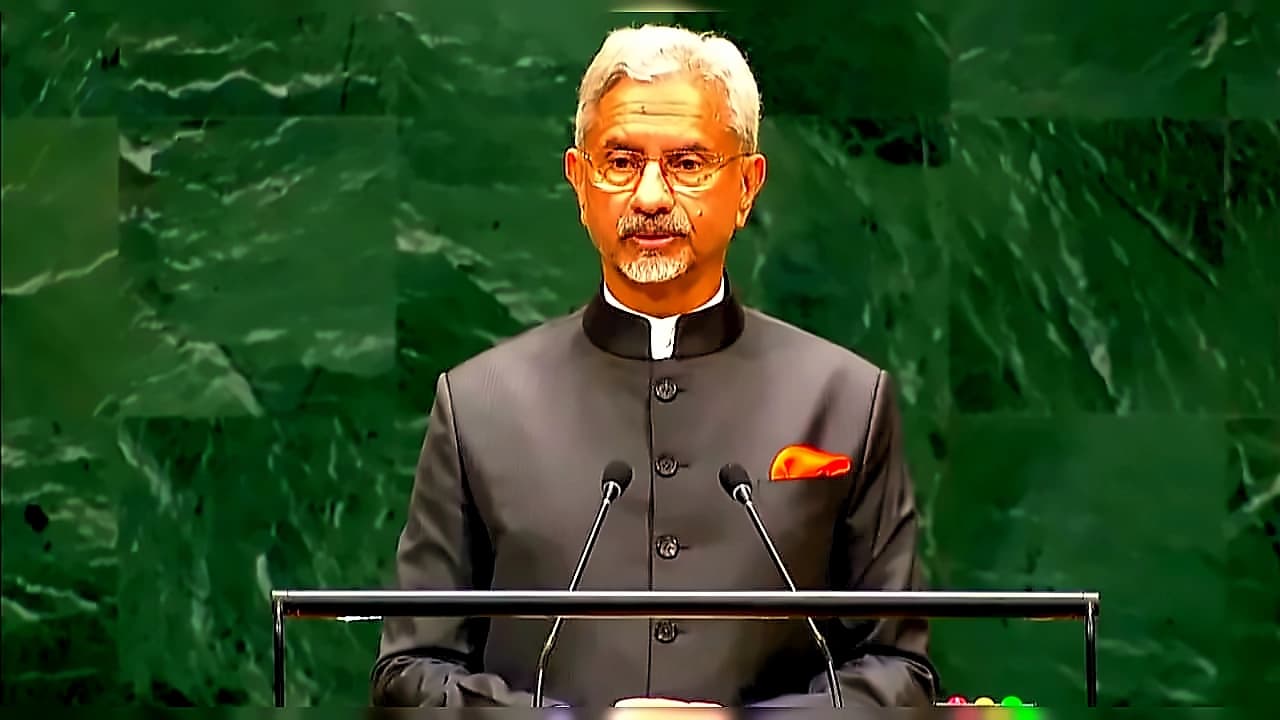
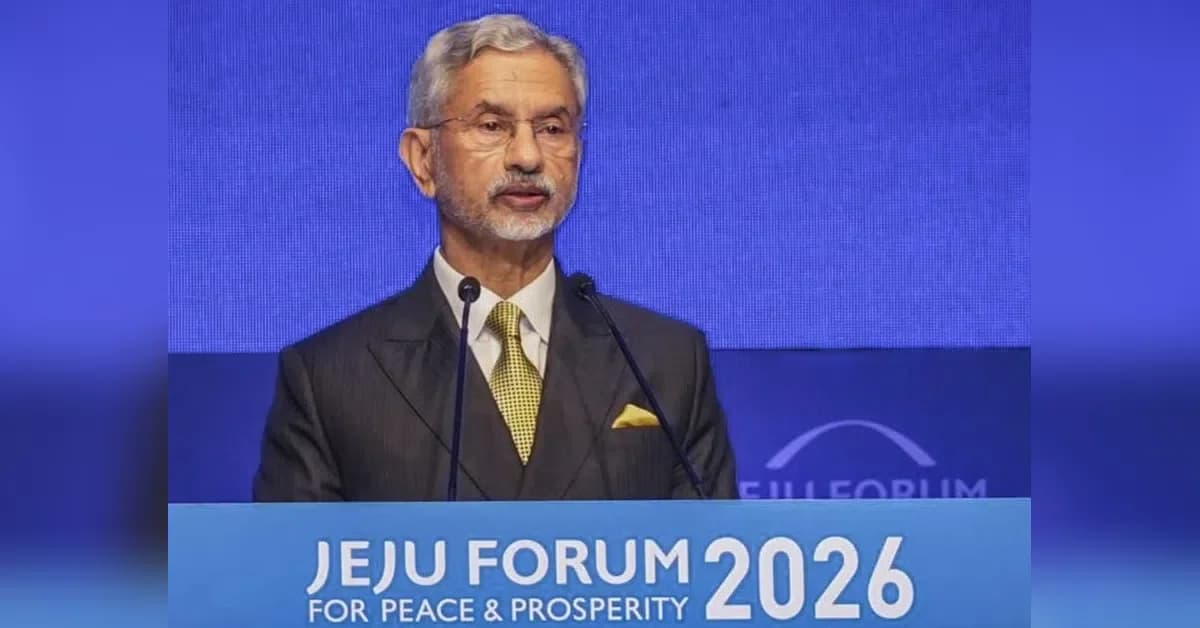
External Affairs Minister S Jaishankar strongly advocated for diplomacy over military solutions at the G20 Foreign Ministers' Meeting in Atlanta, emphasizing that military solutions will not resolve global challenges. Speaking at the first plenary session hosted by US Secretary of State Marco Rubio, Jaishankar called for freedom of navigation to be protected and attacks on seafarers to end in accordance with international law, particularly the UN Convention on the Law of the Sea. According to Press Trust of India, his comments came amid conflicts including the Russia-Ukraine war and tensions in West Asia. The minister stressed that countries were being denied the right to industrialise through the flooding of markets, the use of supply chains as a weapon, restricted market access and market distortions, stating that 'This must cease'. As reported by Business Standard, Jaishankar emphasized that 'The G20 must display both understanding and leadership to keep energy markets open and predictable'.
Jaishankar strongly criticized disruptions in global oil supplies through sanctions and chokepoints, calling deliberate attacks on energy trade and infrastructure a calculated strategy to hold prices hostage. Speaking at the G20 Foreign Ministers' Meeting in Atlanta on Friday, Jaishankar warned that the world was facing an energy crisis not of production, but of unpredictability and disruption, unaffordable costs, and challenges of access. According to The Hindu BusinessLine and Business Standard, the minister emphasized that continuous distortions of energy markets through obstacles, sanctions and chokepoints were happening with increasing frequency, greater complexity and wider impact. The minister highlighted that 'There appears to be little regard for the predicament of low-income countries' and warned that 'Convenient distinctions are being drawn between oil and gas. Selective carve-outs speak for themselves'. The gathering also included Russian Foreign Minister Sergey Lavrov, who was seated between his counterparts from Mexico and Saudi Arabia.
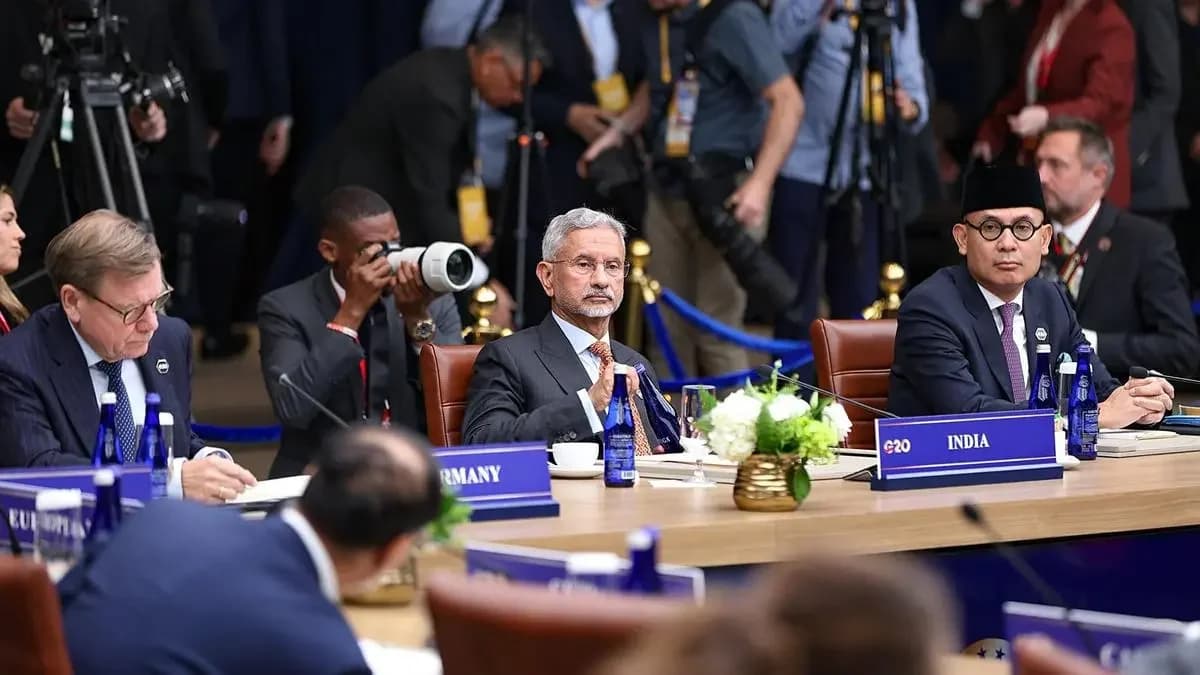
US Secretary of State Marco Rubio opened the two-day discussions by warning that the world faced a 'moment of choosing' amid mounting economic and geopolitical crises. As reported by The Hindu BusinessLine, Rubio said the gathering included Russian Foreign Minister Sergey Lavrov and highlighted that the world faced interconnected economic and geopolitical crises that posed serious threats to the foundations of the global economic order. These included disruptions to energy and food markets, global supply chains, trade and freedom of navigation. The US Department of State stated that Washington would work with G20 partners to address geopolitical crises contributing to global economic shocks, including threats to freedom of navigation, energy and food security, and supply chains. The US is scheduled to host the G20 Leaders' Summit in Miami on December 14 and 15.
The minister reaffirmed that India needs reliable and predictable LPG supplies for its clean cooking needs and reiterated that India's National Mission on critical minerals spans exploration to recycling. According to The Hindu BusinessLine and Business Standard, Jaishankar also said India has proposed a G20 Critical Minerals Circularity Initiative. He stressed that the G20 must widen access to finance and advance storage, small modular reactors, green hydrogen and biofuels to address global energy challenges. On terrorism, Jaishankar warned that 'Tactical calculations should not lead to overlooking the dangers of terrorism. It is a high-risk activity which has come back to bite even the practitioners'. He also emphasized the need to build resilient and alternative connectivity as countries reduce risks and diversify.
Jaishankar highlighted that the Global South was bearing a disproportionate share of the consequences of attacks on civilian ships and seafarers, affecting the availability and cost of fuel, food and fertilisers. According to Press Trust of India, at least 22 Indians, including 14 seafarers, have died since the war began in West Asia in February this year. The minister called for 'resilient and alternative connectivity' as countries reduce risks and diversify, emphasizing that selective carve-outs speak for themselves while reiterating that knock-on effects and mutual dependence in a globalized market should not be underestimated. As reported by Business Standard, Jaishankar warned that 'The knock-on effects and mutual dependence in a globalised market should not be underestimated'.