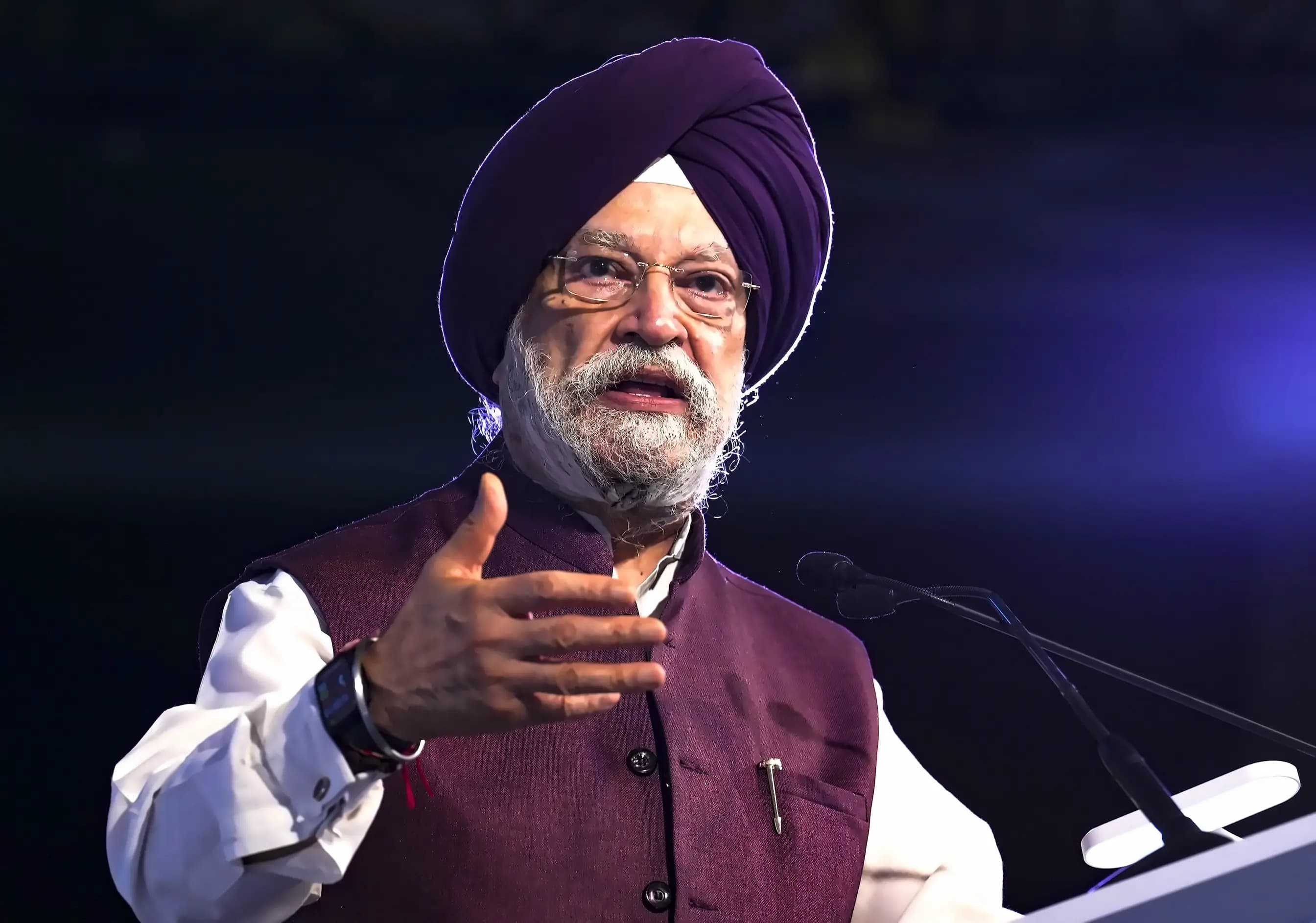
UN climate chief Simon Stiell has called for countries to accelerate the global energy transition and end the world's 'addiction' to fossil fuels, speaking at the UN's Accelerating the Global Energy Transition: Advancing Renewables and Mobilizing Investment dialogue on 24 July. According to UN News, Stiell emphasized that 'a world addicted to coal, oil and gas is a world of economic uncertainty, unnecessary costs, and conflict', noting that climate change is increasing conflict and driving up food and energy prices. He stressed that 'renewables are cheaper, more accessible, and faster to market' and can fortify the foundations of peace while reducing emissions and supercharging economies. The UN climate chief highlighted that conflict, economic downturns and climate-related shocks have dealt a triple blow to food security, leading to higher food prices and vulnerable populations facing 'desperate hunger'.

Geopolitical shocks are fundamentally reshaping India's approach to energy sustainability, with industry leaders emphasizing that energy security and resilience are now driving renewable energy investment even as fossil fuels remain central to meeting the country's rising power demand. According to reports from Mint, executives from energy, logistics and manufacturing sectors spoke at the Mint Sustainability Impact Summit 2026, highlighting how India imports more than 85% of its crude oil requirement, making it particularly vulnerable to global supply disruptions. The Russia-Ukraine war has upended oil and gas supplies, while tensions in West Asia and concerns over the Strait of Hormuz have again highlighted vulnerabilities in global crude trade. Recent developments show countries like Pakistan and Vietnam that have seen major growth in technologies like solar and electric vehicles have seen those investments pay meaningful dividends in the current supply-constrained environment, as reported by Rhodium Group's Taking Stock 2026.
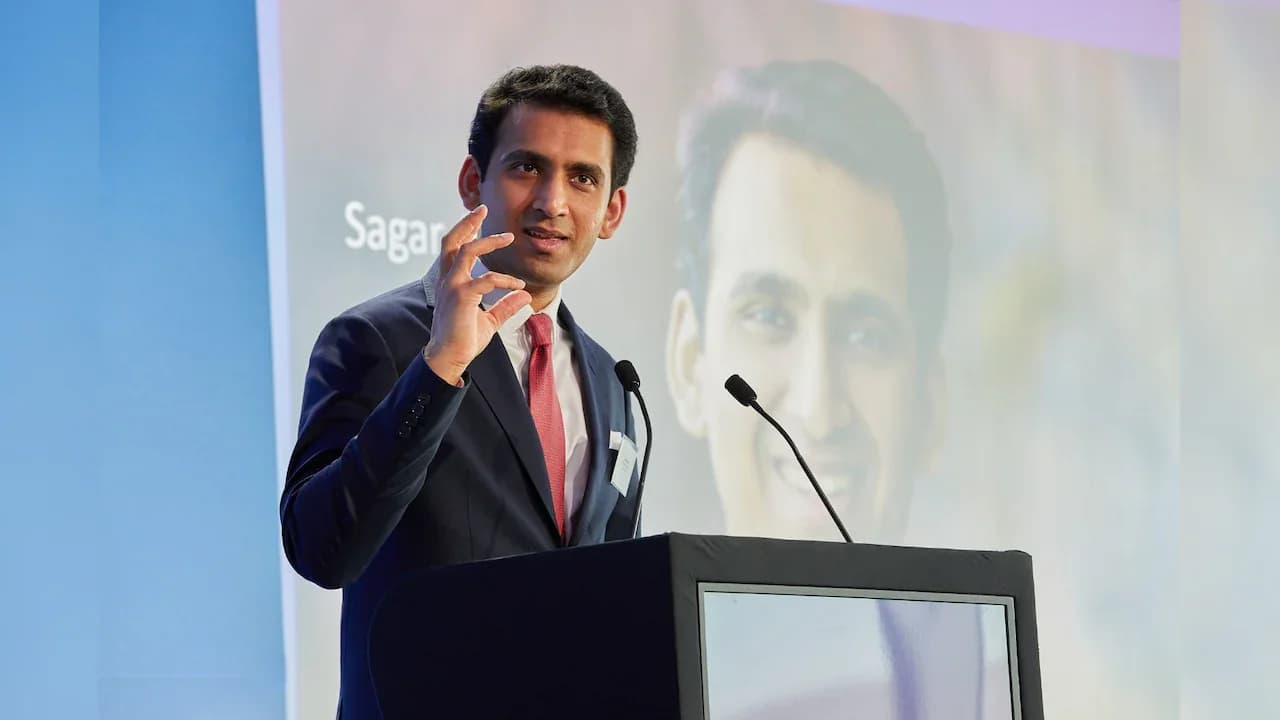
Investment decisions are increasingly being driven by economics and energy security rather than environmental commitments alone, as reported by Mint. Suhas Donthi, chief executive of Emmvee Photovoltaic, noted that 'sustainability as a word has shifted towards the concept of having a reliable and resilient energy supply'. Gaura Sen Gupta, chief economist at IDFC First Bank, emphasized that 'countries will have to focus on both fossil fuels as well as renewables because the risks are immediate while sustainability remains a long-term journey'. As India's economy expands, energy demand is expected to rise sharply, making an immediate shift away from conventional fuels difficult. The Rhodium Group's Taking Stock 2026 analysis confirms this trend, noting that expectations for data center growth continue to trend upward, but are subject to the dual threats of public backlash and a potential popping of the bubble.
According to Mint reports, coal continues to dominate India's electricity mix, accounting for nearly 68% of total electricity generation, while renewable sources such as solar, wind and biomass contribute about 17%, with the share rising to around 26% when large hydro is included. India remains the world's third-largest energy consumer after the US and China, but its per-capita energy consumption remains relatively low. As reported by Mint, the rapid expansion of artificial intelligence and data centres would further accelerate electricity demand, requiring both fossil fuels and renewable sources simultaneously. The Rhodium Group's Taking Stock 2026 projects that total US electricity demand will increase by 19-23% in 2040 compared to 2025, with data centers becoming a significant driver alongside electric vehicles and industrial activity. UN climate chief Simon Stiell noted that Turkey has announced its 'action agenda' targets, including the goal for global electrification to account for 35% of energy consumption by 2035.
While renewable energy is becoming cost-competitive, inadequate infrastructure remains a major constraint, as reported by Mint. Several renewable energy projects are ready for commissioning but cannot fully utilize their capacity due to limited transmission networks and grid infrastructure. According to BloombergNEF Levelized Cost of Electricity 2026 data, the global benchmark cost for a four-hour battery project fell 27% year-on-year to $78 per megawatt-hour in 2025, a record low since BNEF began tracking costs in 2009. Battery storage is expected to play a critical role in addressing the mismatch between renewable generation peaks and electricity demand troughs. The Rhodium Group's Taking Stock 2026 highlights that interconnection queues remain massive, and it's exceptionally difficult to build big transmission lines, while supply chains remain backlogged, especially for critical grid infrastructure equipment.
According to Mint reports, sustainability is no longer viewed merely as a compliance requirement or corporate social responsibility initiative, with companies commercializing sustainability through low-carbon logistics solutions, carbon insetting programmes, and emission-tracking services. Akanksha Sharma from DP World noted that 'sustainability is becoming a competitive advantage', with companies integrating sustainability into core business offerings rather than standalone environmental, social and governance programmes. The panel concluded that India's energy transition is unlikely to involve replacing fossil fuels with renewables in the near term, with both expected to expand in parallel as energy demand grows. UN climate chief Simon Stiell emphasized that 'renewables, electrification and efficiency must be progressed together in countries and industries', giving the example of UN secretary-general António Guterres' call for major AI companies to power every data centre with renewables by 2030. He concluded that 'faster energy transitions are core business for governments and core to national security strategies'.