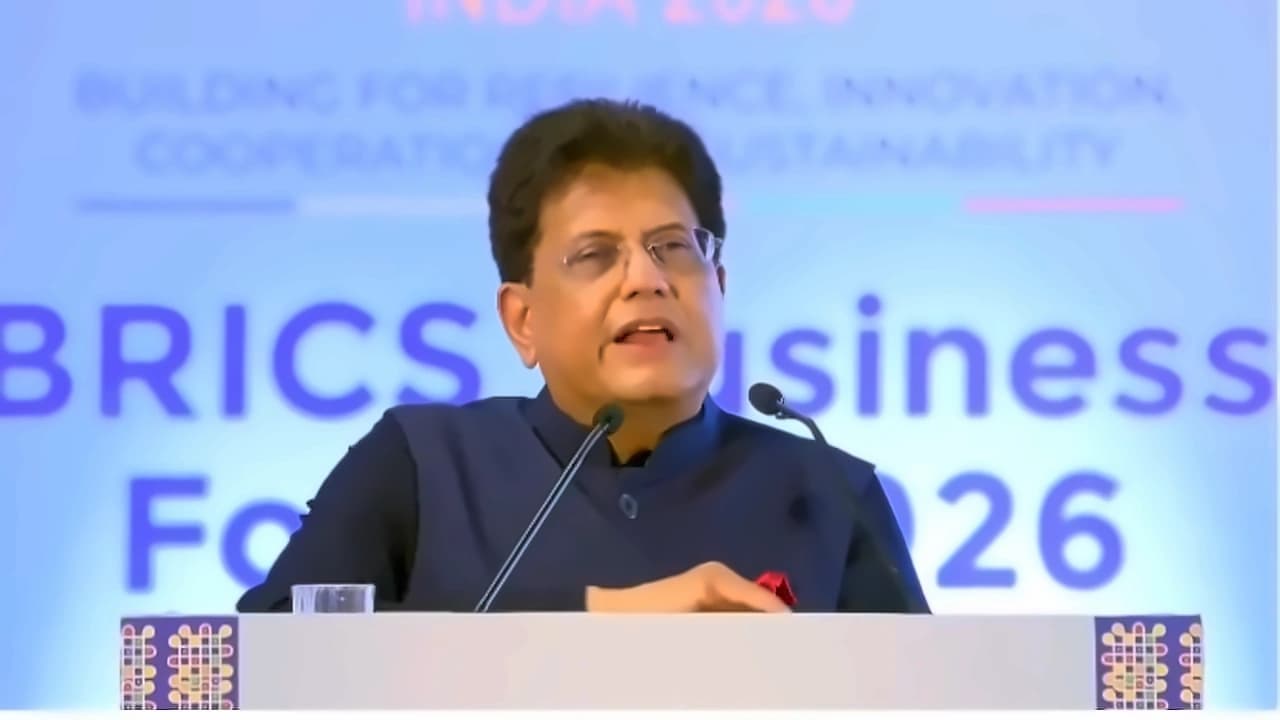
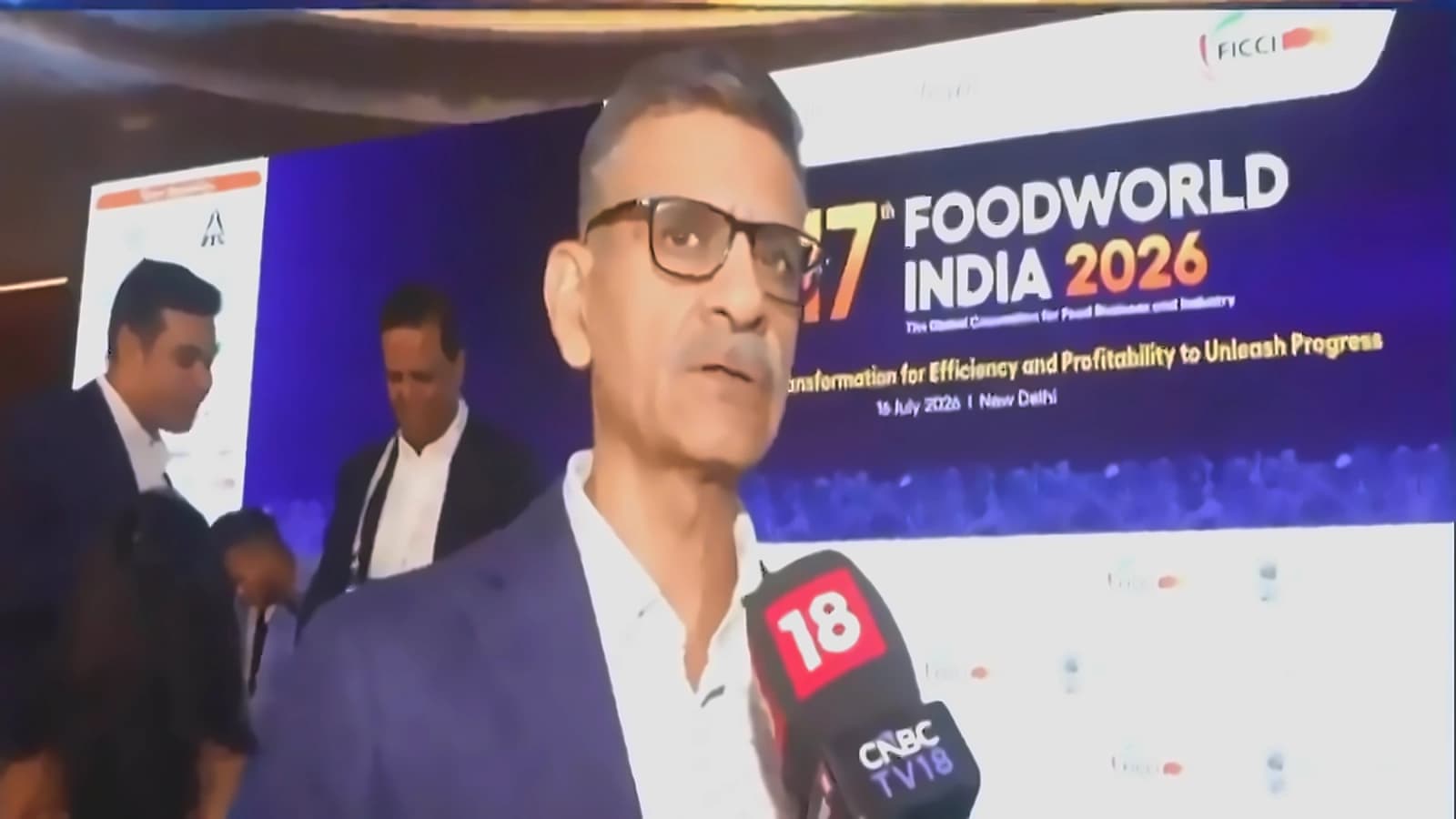
Commerce Minister Piyush Goyal has emphasized the need to distinguish between legitimate food security measures and weaponisation of supply chains, speaking at the G20 Trade Ministers' meeting in Milwaukee. Addressing a session on 'Weaponisation of Food through Coercive Trade Action', Goyal stated that food should remain a source of security, stability and cooperation. According to his remarks, the minister called for clearly distinguishing between the weaponisation of food supply chains and legitimate measures adopted by countries to pursue domestic policy objectives and address food-security needs. This stance comes as the global food security situation continues to face multiple pressures from ongoing conflicts and supply chain disruptions.
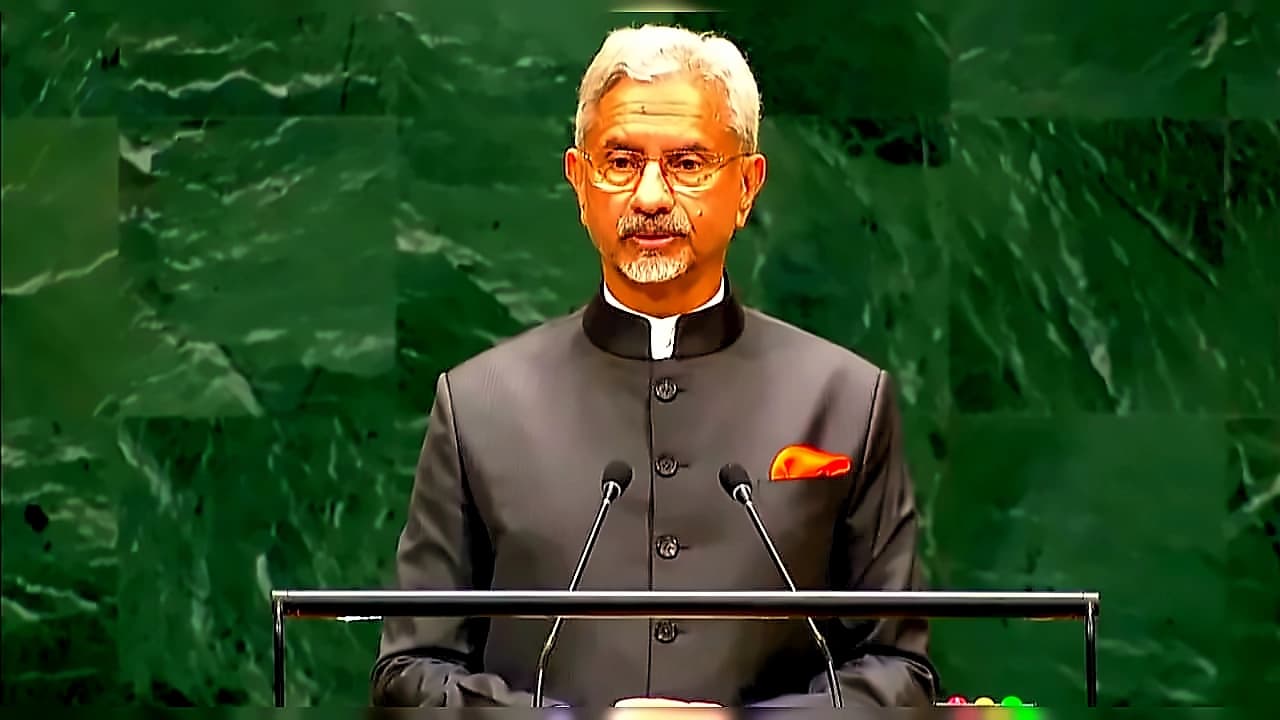
External Affairs Minister S. Jaishankar has escalated his warning about global food security, now specifically citing the potential impact of the Iran-US war on food supplies. Speaking at the Asia Society event in New York, Jaishankar stated that 'there is going to be a major food crisis, probably in the coming months', citing multiple converging pressures on global food systems. The minister's latest warning comes as the Iran-US conflict intensifies, creating additional disruptions to global supply chains that were already strained by previous conflicts including Ukraine and Iran-Gulf tensions.
Speaking at the Asia Society event, Jaishankar emphasized that the Ukraine and Iran-Gulf conflicts have had a devastating impact on Global South economies. As reported by ANI, he specifically highlighted that India is particularly concerned about energy security, where the market is described as very tight. The minister warned that any attempt to play politics with oil supplies would push up prices at a time when the world should be stabilizing them. The profound ripple effects of these conflicts are resonating heavily far beyond the borders of the nations directly involved, creating what Jaishankar described as an imminent systemic risk rather than an inevitable conclusion that has already materialized.
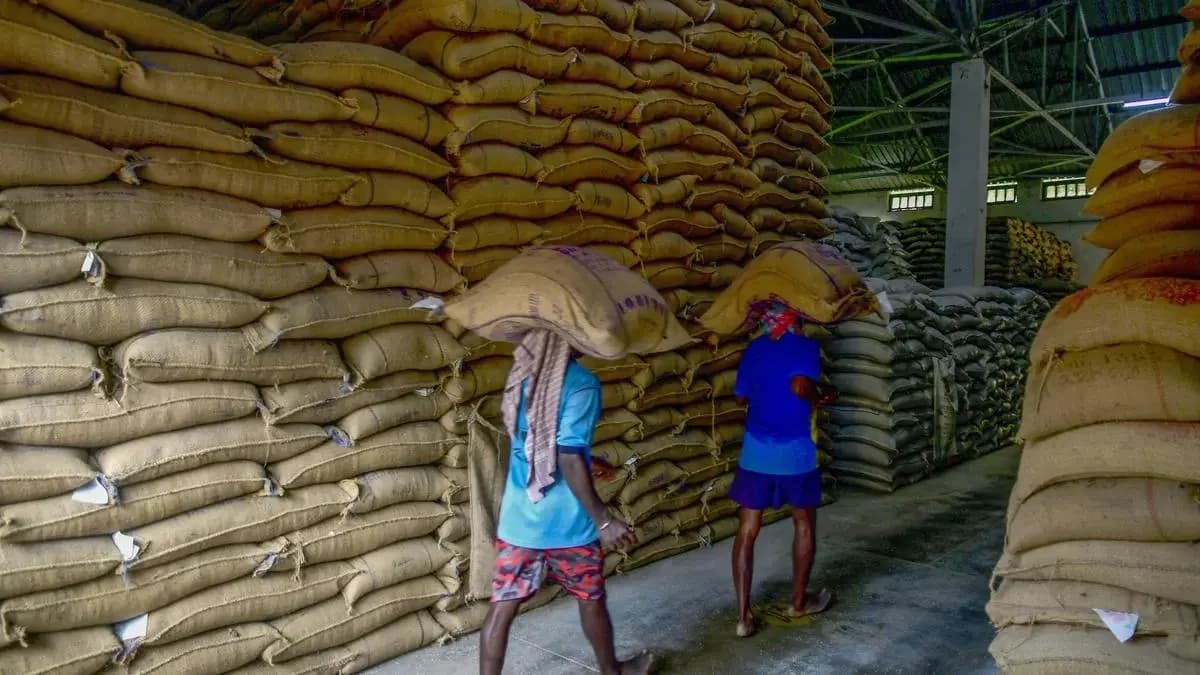
According to Jaishankar's remarks reported by ANI, some of the major grain exporters would not be able to send out their shipments, creating significant supply chain disruptions. The minister also highlighted that significant fertiliser shortages are emerging, which compounds the food security challenges. As reported by ANI, key grain exporters would face severe impediments in dispatching shipments, particularly through critical Black Sea corridors. These disruptions are expected to have major implications for agricultural production and food availability in the coming months, with the minister noting that 'We are already looking at major significant fertiliser shortages'. These bottlenecks are creating what Jaishankar described as a major food crisis that requires immediate attention and coordinated international response.
The crisis is compounded by disruptions to shipping through the Strait of Hormuz, where about one-third of the world's seaborne fertiliser trade typically passes. As reported by ANI, traffic through this critical waterway has been badly hit since the war began, raising oil, gas and fertiliser costs significantly. The disruption has created what Jaishankar described as a double or aggravated crisis where security of supplies and politics are feeding into each other. This compounding effect is making the overall food security situation more severe than individual disruptions alone, with the latest Iran-US war adding additional pressure to existing supply chain challenges.