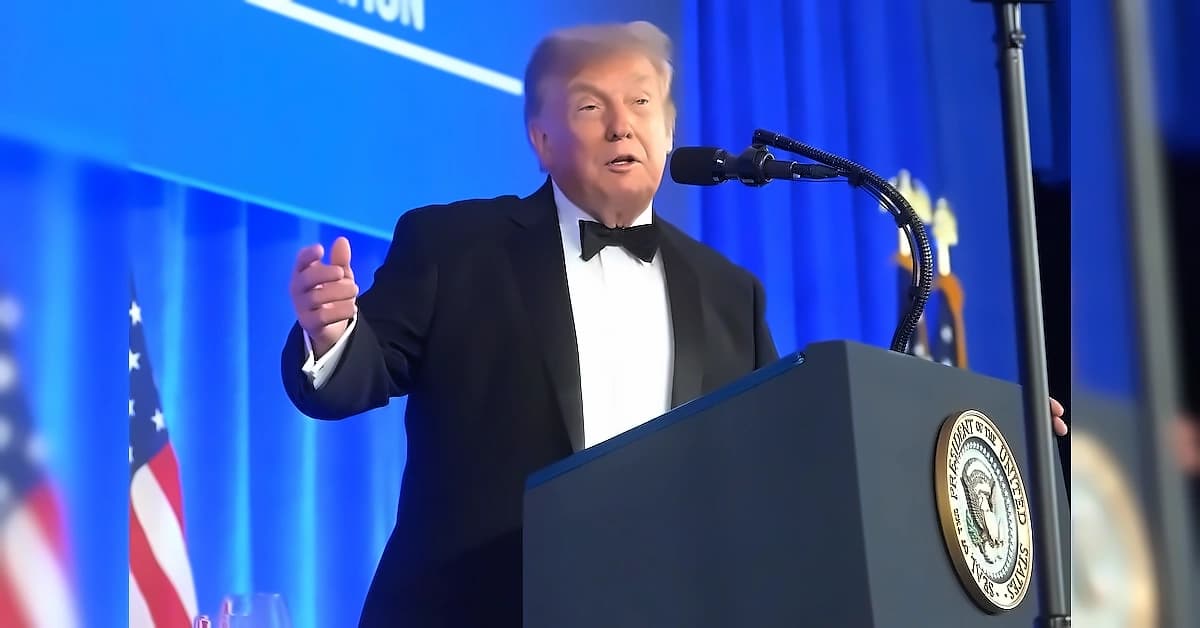
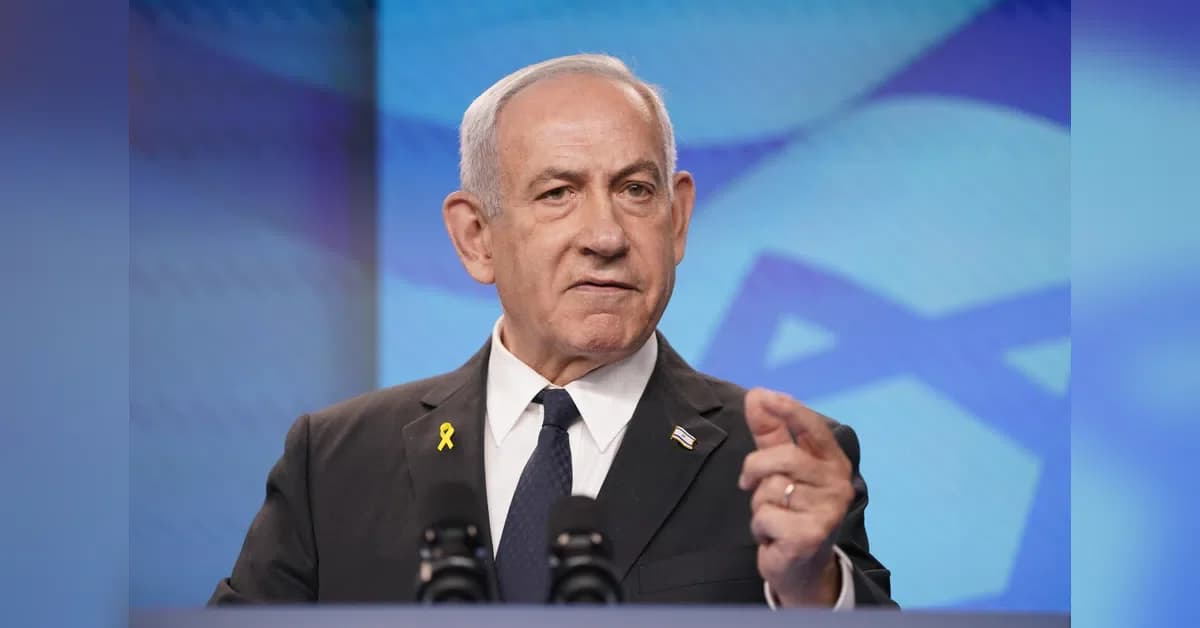
US President Donald Trump has hailed the Israel-Hezbollah ceasefire reached on Friday, calling it 'a positive' and 'a little icing on the cake' for the broader US-Iran Memorandum of Understanding. In a phone interview with NBC News, Trump revealed he had been in contact with Israel earlier in the day and encouraged its leadership to support the ceasefire effort. According to CNN, citing multiple sources familiar with the negotiations, Israel and Hezbollah have reached an agreement to reinstate a ceasefire which took effect at 9 am local time. The agreement was brokered through mediation efforts involving the United States and Qatar, while another diplomatic source said Iran also played a role in facilitating the deal alongside Washington and Doha. However, Israel Defence Forces (IDF) Spokesperson Brigadier General Effie Defrin clarified that Israeli forces would continue to remove 'immediate threats' against 'Hezbollah's violations'.
US President Donald Trump has sharply escalated his criticism of Israeli Prime Minister Benjamin Netanyahu, calling him 'a very difficult guy' and warning that Israel's existence would have been imperilled had Iran succeeded in developing a nuclear weapon. In a New York Times interview on Monday, Trump made these remarks following the announcement of the US-Iran agreement, stating that 'he should be very thankful to us for doing this' because 'if Iran had a nuclear weapon, Israel wouldn't be around for two hours'. The comments were directed at Netanyahu, whom Trump excoriated for mounting attacks that nearly derailed the final agreement. Trump also criticized recent Israeli attacks on Lebanon, stating that these strikes nearly complicated efforts to reach the agreement. According to The New York Times, Trump made these remarks at a gathering to celebrate his birthday on Sunday. Speaking at the annual G7 summit in France on Tuesday, Trump told Netanyahu that he's been unhappy with his recent moves, stating 'Without me, there would be no Israel because no other President was willing to do what I did' and 'I have had a great relationship with Bibi. Now Bibi has to be more responsible with respect to Lebanon.'
Israeli Prime Minister Benjamin Netanyahu has received harsh criticism from opposition parties over the emerging US-Iran memorandum of understanding. As reported by Haaretz, leading opposition politicians have 'harshly criticized Prime Minister Benjamin Netanyahu over the emerging agreement' and expressed 'concerns that the deal doesn't properly address Tehran's nuclear ambitions or the regime's stockpile of ballistic missiles'. The leader of Israel's largest opposition party, Yair Lapid, posted on social media that Netanyahu had 'sold the Americans an overly optimistic scenario without fully presenting the risks involved, and lost their trust in the middle of the war.' Lapid described it as 'one of the most horrific failures of Israel's foreign and defense policy' and stated that Netanyahu would be the only one to blame. Former Israeli Defense Minister Avigdor Lieberman, who served under Netanyahu, described the deal on social media as a 'total victory for the ayatollahs' and added that the agreement was 'catastrophic' and placed '100 percent' of the responsibility on Netanyahu.
The 14-point Memorandum of Understanding between the US and Iran includes an immediate and permanent cessation of military operations, including in Lebanon, and a pledge to conclude negotiations on a final deal within 60 days, extendable by mutual consent. Under the memorandum, the US will begin removing its naval blockade and related restrictions, while Iran will facilitate the safe passage of commercial vessels through the Strait of Hormuz free of charge for an initial 60-day period, during which technical talks will also take place on Iran's nuclear programme. The document outlines plans for the phased lifting of sanctions, the release of frozen Iranian assets, US Treasury waivers for Iranian oil exports, and a US-backed reconstruction and economic development programme for Iran. According to Business Standard, the agreement makes the Strait of Hormuz 'permanently toll free', though The New York Times reported that the memorandum only suspends tolls for 60 days.
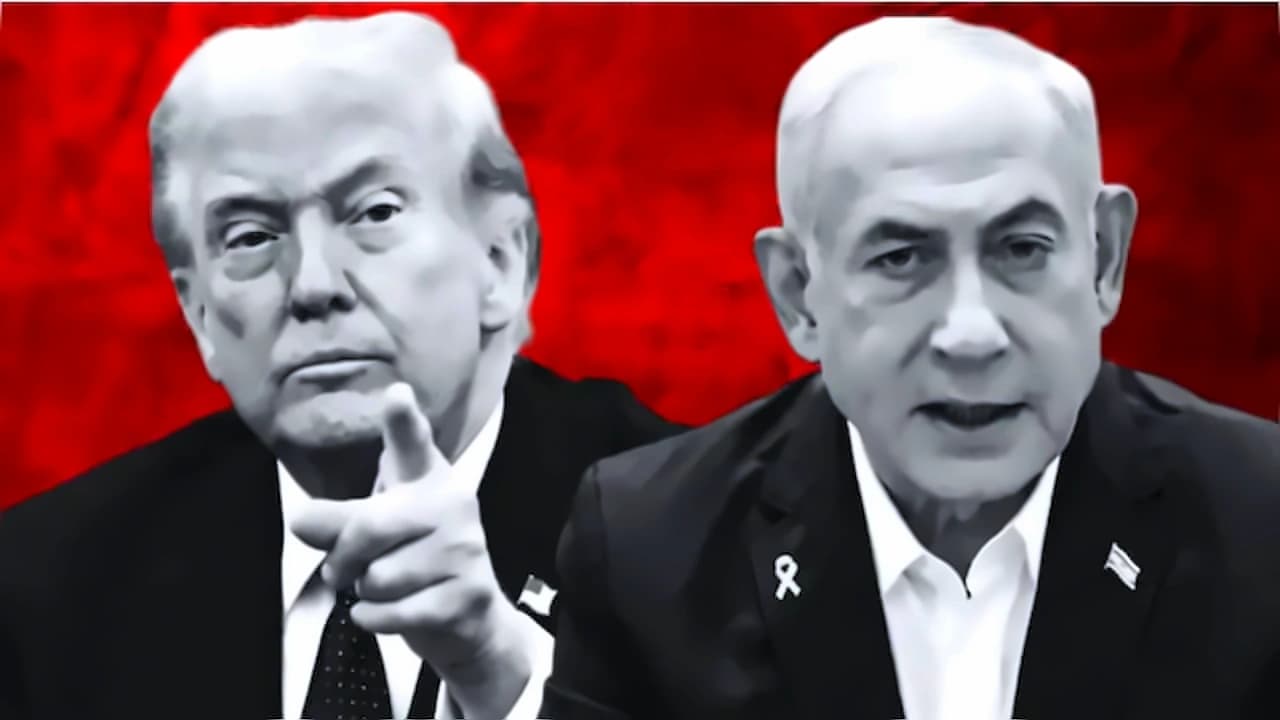
The diplomatic tensions escalated significantly after Israel's strike in Beirut's Dahieh district, which threatened to derail U.S.-Iran talks on a memorandum of understanding aimed at ending the war, reopening the Strait of Hormuz and launching further nuclear negotiations. According to Axios, Trump told Netanyahu after the strike: ''''What the fk are you doing?''''** and ''''I was so pissed off. I let him know. He has no fucking judgement.'''' Trump acknowledged that Hezbollah had attacked Israel first, but stressed that no one was killed and no serious damage was caused. Speaking to Fox News, Trump said the strike ''''delayed the signing of the deal by several hours'''' and described it as ''''so bad — I couldn''t believe it. An hour before we are supposed to sign the deal.'''' The tension comes as Trump faces political blowback at home, where the war is unpopular and has driven up gasoline prices. An agreement is scheduled to be signed on Friday in Geneva.
Trump indicated that Vice President JD Vance could participate in upcoming peace talks with Iran in Switzerland after the earlier planned meeting on Friday was cancelled. During the interview with NBC News, Trump said he thinks 'he's going to end up going back' and 'Steve Witkoff is going separately'. On Thursday, the Swiss Foreign Ministry confirmed that the planned talks between the US and Iran have been postponed. The ministry stated it remains ready to facilitate the talks, with 'the relevant preparatory work at Burgenstock continuing' and 'no further information can be provided at present'. This development comes as Trump faces political pressure at home, where the war has become unpopular and driven up gasoline prices.