Secretary of State Marco Rubio along with Israel and Lebanon's ambassadors announced a framework agreement on Friday that was described as a 'first step toward peace' following months of conflict between Israel and the Lebanese militant group Hezbollah. The officials did not share details on the agreement that was signed by Yechiel Leiter, the Israeli ambassador to the United States, and Nada Hamadeh, ambassador of Lebanon to the United States. This development represents a significant milestone in the ongoing diplomatic efforts to resolve the conflict that has been ongoing since the latest war between Hezbollah and Israel erupted when the group opened fire at Israel in solidarity with Tehran in the early days of the US-Israeli war on Iran.
Hezbollah leader Naim Qassem rejected the U.S.-brokered security agreement on Saturday, describing it as a 'surrender' to Israel in a statement. Qassem called the agreement 'null and void' and accused the Lebanese government of making unilateral concessions and undermining Lebanon's sovereignty. He criticised provisions linking Israel's withdrawal to Hezbollah's disarmament, saying they effectively legitimised Israel's military presence and crossed 'all red lines'. The group would continue its armed resistance, with Qassem stating 'We did not leave the battlefield in the most difficult circumstances, and we will not leave it'. The rejection has spread anger beyond Hezbollah to Shi'ites more widely, with the Amal movement denouncing the agreement as unbalanced and saying it would entrench conditions favouring Israel.
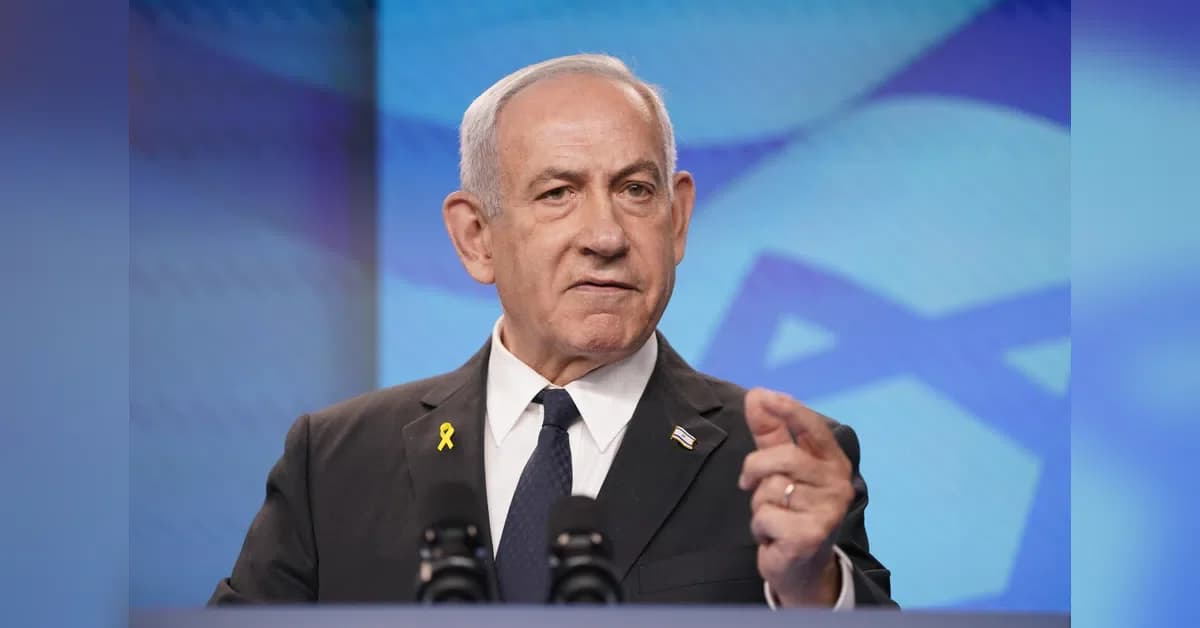
Under the newly announced deal negotiated in Washington, Israel agreed to withdraw from two areas that will be taken over by the Lebanese army as pilot zones where it will aim to implement plans to disarm Hezbollah. As per Business Standard, Israel will maintain a 'security zone' along the boundaries of the yellow line, which marks a seized territory that stretches some 10 kilometers (6.2 miles) into Lebanon from the Israeli border. Israeli Prime Minister Benjamin Netanyahu, in a speech on Saturday, showed a map of the two 'pilot zones' that Israel had agreed to eventually hand over to the Lebanese army as part of the agreement. One of them was entirely outside of the area that Israeli troops occupy, while the other was on the edge of the expanded occupation area Israel announced last week. Israeli Defence Minister Israel Katz praised the framework agreement, saying it permits Israel to maintain its occupation of a so-called security zone in Lebanon and bars the return of displaced residents.
Despite the framework agreement, Israel launched a drone strike in Lebanon's south on Saturday, targeting Nabatieh al-Fawqa area outside the security zone. According to Business Standard, the Israeli military told Reuters it had carried out the strike using a drone because it had no troops in the immediate area and targeted an individual who posed a threat to its forces. The Iran-U.S. memorandum of understanding reached earlier this month, which guarantees Lebanon's territorial integrity, should serve as the basis for ending the conflict, according to Qassem. The latest war between Hezbollah and Israel has resulted in significant casualties and displacement across both countries, with more than a million Lebanese driven from their homes and the death toll in Lebanon surpassing 4,000.
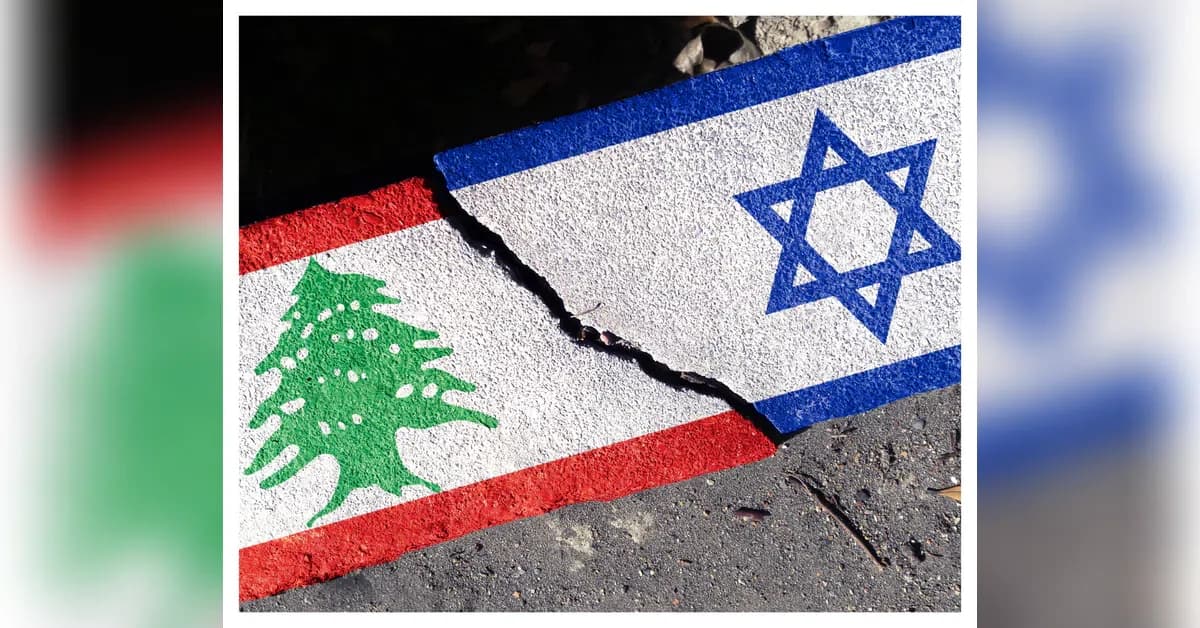
The interim agreement signed by Iran and the US last week requires both countries and their allies to declare an immediate and permanent end of military operations on all fronts, including Lebanon, and to ensure Lebanon's 'territorial integrity and sovereignty'. According to Business Standard, the newly announced deal faces significant hurdles, most significantly because Hezbollah has rejected the negotiations. The US has mediated and declared multiple ceasefires in Lebanon in recent months, but most have quickly collapsed, with Israel repeatedly citing Hezbollah's violations of past ceasefires to justify continued attacks on the group. President Donald Trump has been putting pressure on Netanyahu to stop attacking targets in Lebanon as the US leader tries to preserve a fragile ceasefire with Iran, with Iran conditioning its ongoing peace talks with the US on an imminent ceasefire in Lebanon.