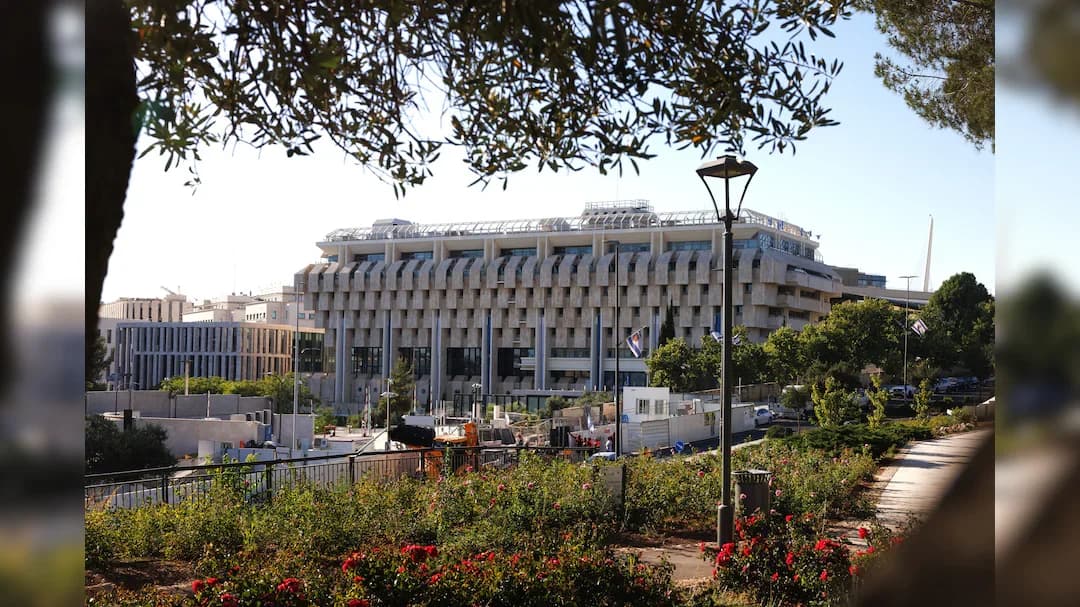
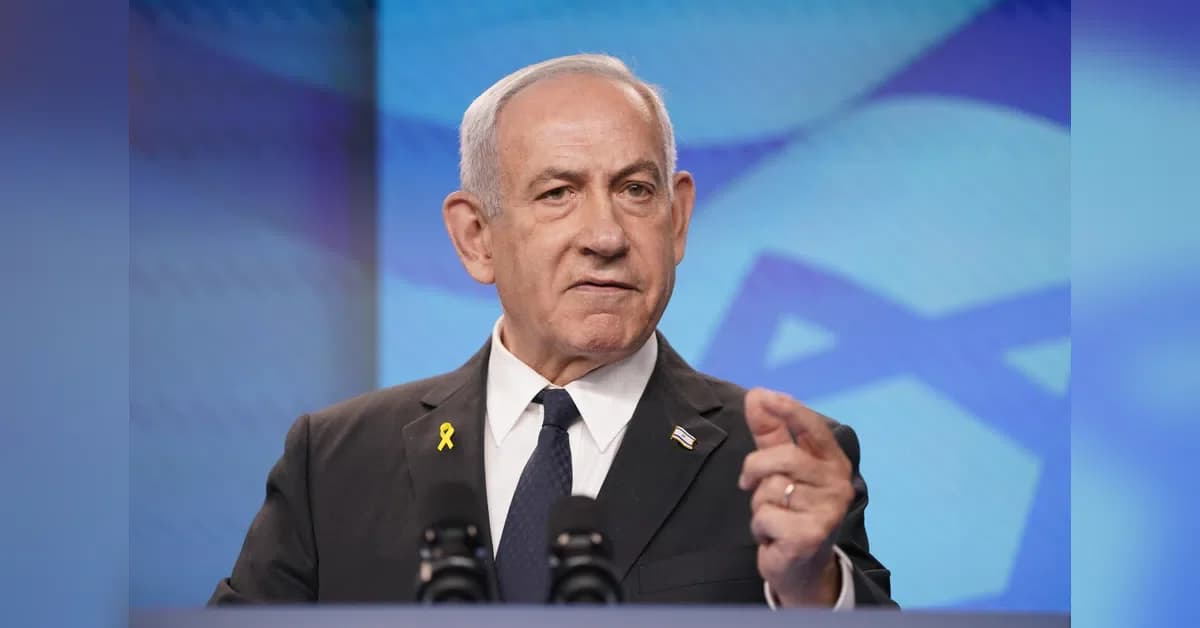
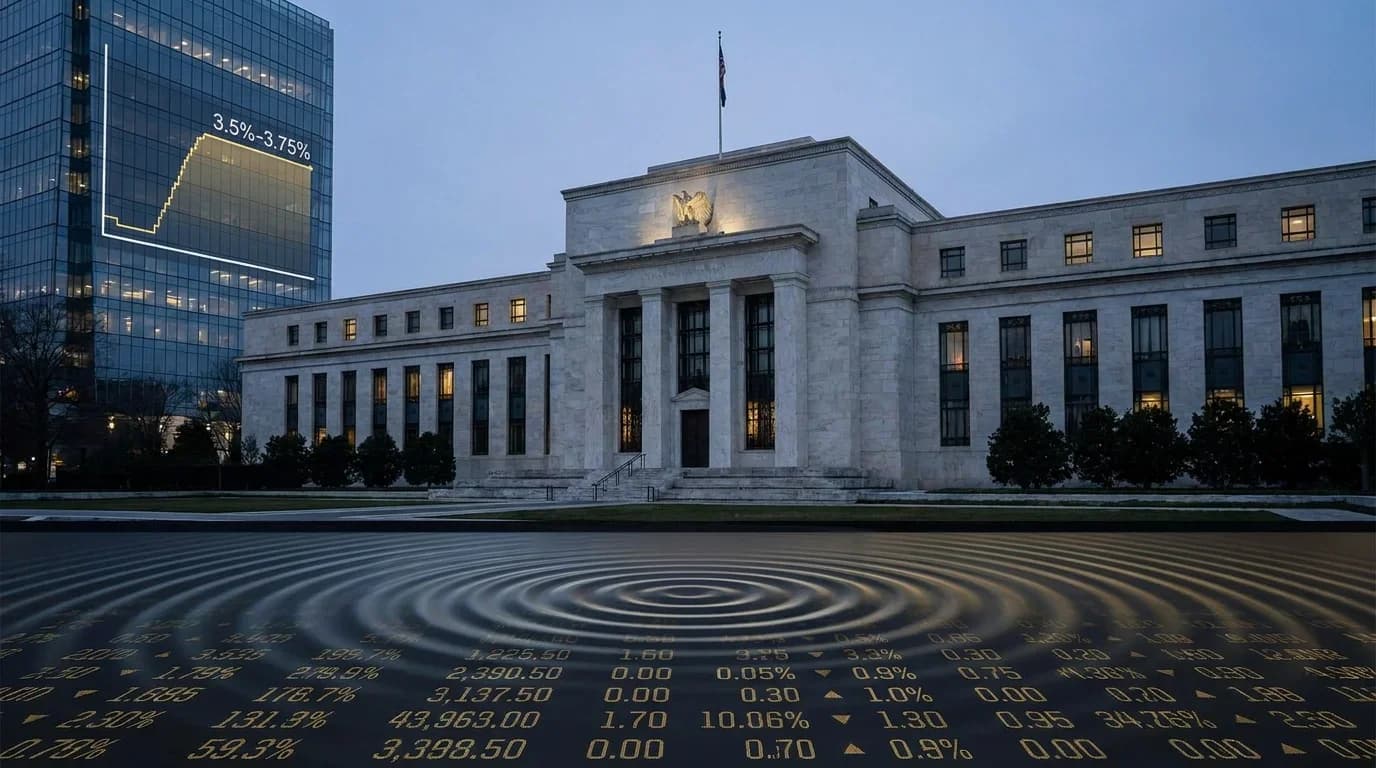
Israel's central bank resumed interest rate cuts on Monday, lowering the base rate by 25 basis points to 3.75%. According to reports from Reuters, this decision was as expected and implemented for the third time in six months, following cuts in November and January before the bank paused in its two subsequent decisions due to the Iran conflict. The Bank of Israel had left borrowing costs unchanged in the two previous meetings due to risks to inflation and growth from the Iran war, triggered by US-Israeli strikes on the Islamic Republic in late February. As per Reuters, the rate cut was supported by slowing inflation, the strengthening shekel and reduced geopolitical risks amid progress in talks between the United States and Iran. The central bank's Deputy Governor Andrew Abir noted that the decision was data dependent, with the bank's staff in March having forecast two rate cuts by early 2027, or a policy rate of 3.5%. However, Abir cautioned that future rate cuts would be gradual due to ongoing uncertainty over the Iran war.
The central bank's decision was supported by improving inflation conditions and a strengthening shekel. As reported by Reuters, annual inflation held at 1.9% in April, well within the 1-3% target range, which was the main factor in easing policy. The Israeli shekel is trading at a 33-year peak against the dollar, which has solidified expectations of moderate inflation. According to Reuters, the shekel has appreciated by 8% since the Monetary Committee's last decision at the end of March and gained nearly 24% over the past year. The bank noted that slowing inflation was a key factor in the rate cut decision, reflecting improved economic conditions. Deputy Governor Abir emphasized that "that certainly gives us the room to be able to cut rates – even with the geopolitical uncertainty" and noted that "We've been in a fortunate situation that we've managed to bring down inflation, and yet the monetary tightening hasn't led to an increase in unemployment." However, policymakers remained concerned about a renewed acceleration of price pressures due to geopolitical developments and their impact on economic activity, energy prices and higher state spending.
The rate cut decision was also influenced by signs that the US and Iran are edging closer to a deal to extend their ceasefire. According to Reuters, while geopolitical risks have fallen, they have not disappeared and this means the bank must be "more careful in the pace in which we change interest rates." The US and Israel launched airstrikes on February 28, and a ceasefire forged on April 8 has held but remains fragile. As Abir noted to Reuters, "A continued war and escalation of it would have an impact both on the real economy and probably on inflation as well." The bank's statement acknowledged that "There is still significant geopolitical uncertainty, both domestically and globally," reflecting the cautious approach needed despite the progress in diplomatic talks between the two nations. Abir emphasized that "That gives us a sort of the comfort that we can cut rates ... and we can do it in a gradual pace."
Other factors supporting a potential rate cut include the slow recovery of the Israeli economy from the conflict with Iran, with growth expected to show no significant acceleration even if a final agreement is reached. According to Reuters, the Israeli economy remains strong despite ongoing geopolitical uncertainties. The central bank noted that "The Iran war had an impact on real economic activity, and the most recent data show a recovery." Deputy Governor Abir emphasized that "Even if there is a sudden shock it's unlikely that (inflation) goes up to" the top of the inflation target range of 3%. The central bank maintained its forward guidance, stating that interest rates going forward will be determined 'in accordance with inflation developments, economic activity, geopolitical uncertainty, and fiscal developments'. As reported by Reuters, this approach reflects the bank's cautious stance amid ongoing geopolitical uncertainties and the need to monitor multiple economic factors before making further adjustments to monetary policy.

Despite the rate cut, market reaction was mixed with Tel Aviv shares rising 3.2% on Monday, while the Manufacturers' Association criticised the move, believing more monetary stimulus was needed to protect economic growth. Similarly, Finance Minister Bezalel Smotrich called the quarter-point move "too little, too late" and that a larger cut was needed "to make things easier for exporters, households and business owners." The shekel's strength has been a double-edged sword, with exporters pushing for rate cuts or intervention in the foreign exchange market, but the central bank emphasized it was "not trying to surprise the markets" and was "trying to set a level of monetary policy that is commensurate with the expectations for inflation and what's going on in the real economy." The bank's statement concluded that "The Monetary Committee's policy is focusing on price stability, support for economic activity, and stability of the markets," reflecting its balanced approach to managing inflation and economic recovery amid ongoing geopolitical uncertainties.