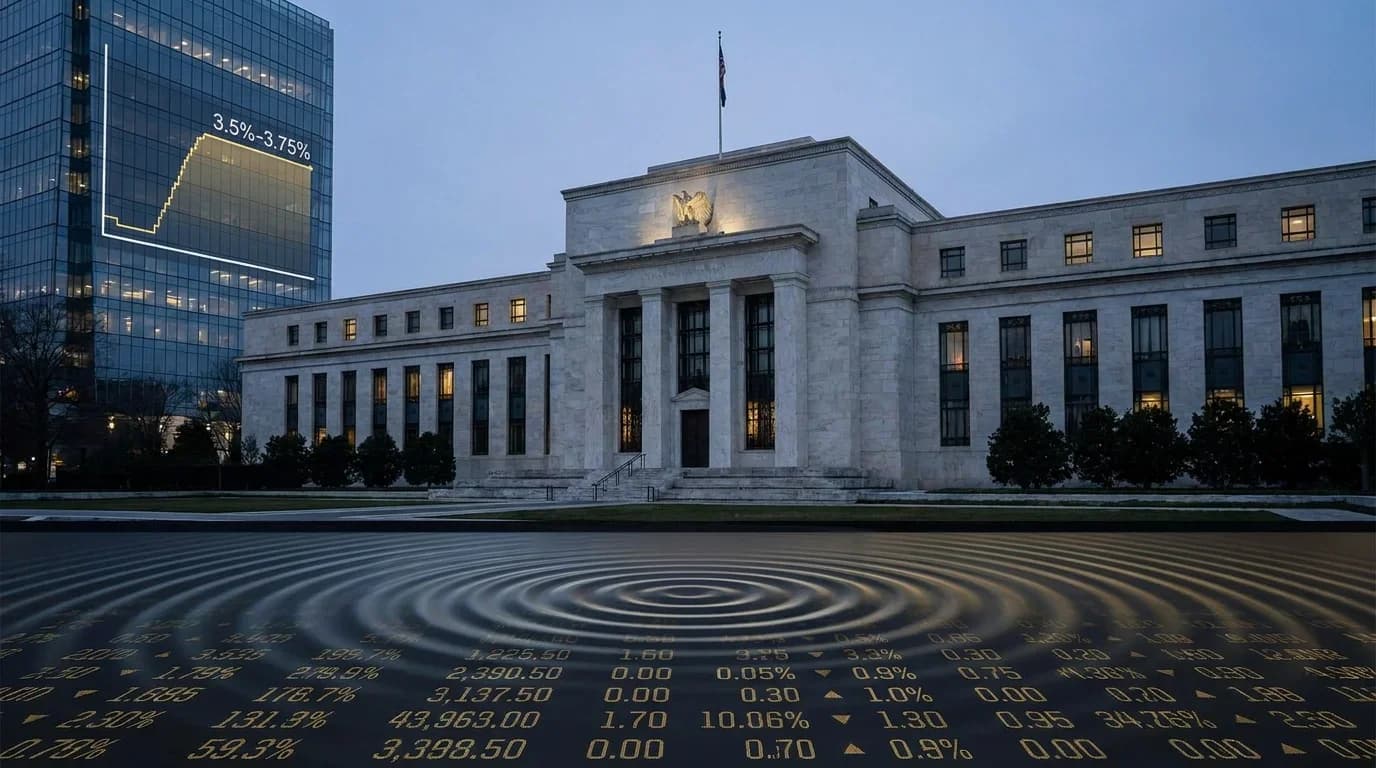
The Federal Reserve delivered a seismic shift in monetary policy expectations at its June 2026 meeting, holding the benchmark rate steady at 3.5% to 3.75% while signaling a dramatic reversal from earlier easing expectations. According to the latest FOMC projections, nine of nineteen policymakers now anticipate at least one interest rate hike before year-end, representing a dramatic shift from earlier expectations of multiple cuts. This hawkish pivot reflects mounting concerns about inflation, which has climbed to a three-year high, partly fueled by geopolitical tensions and supply chain disruptions from the recent conflict with Iran. The decision to hold rates steady while signaling future tightening reflects the delicate balancing act central bankers face, with economic growth remaining surprisingly resilient despite elevated borrowing costs.
The White House announced a potential breakthrough on Sunday, with the US and Iran agreeing on an interim peace deal that would reopen the Strait of Hormuz this Friday. According to Yahoo Finance, the agreement to stop fighting and open the strait, if sustained, could signal a peak in inflation, though energy prices could remain elevated for weeks or months before oil shipments and supply normalize. Patrick Harker, former president of the Philadelphia Fed, noted that even if the war ends, it's going to take time for inflation to come down, as the issues creating inflation above 2% before the war remain unresolved. The deal paves the way for a 60-day period of negotiations over Tehran's nuclear program, potentially bringing down energy prices in the near term despite the lagged nature of supply normalization.
The jobs market presents a complex picture that warrants caution despite recent improvements. As reported by Investing.com India, non-farm payrolls averaged just 8,500 per month between January 2025 and February 2026, with the past three months showing a rebound averaging 188,000 per month. However, this hiring rebound remains concentrated in three sectors: private education & healthcare services, government, and leisure & hospitality. The University of Michigan sentiment index shows a net 54% of households think unemployment will rise over the next 12 months, matching the depths of the Global Financial Crisis and both the early 1980s and early 1990s recessions.
Inflation data suggests a shift toward disinflation that could support the case for a prolonged pause. According to Investing.com India, the Fed's new fourth-quarter 2026 forecast for core PCE inflation of 3.3% is slightly higher than the Bloomberg consensus of 3.1%, while the fourth-quarter 2027 estimate of 2.5% is 0.2 percentage points above consensus. The national average price for gasoline has dropped from a peak of $4.60/gallon in late May to below $4/gallon today, with expectations of reaching $3.75 by next week. This decline suggests a negative headline month-on-month inflation print for June and possibly July. Energy prices have played an outsized role in recent inflation readings, with the conflict involving Iran creating volatility in global oil markets, though recent peace agreements have brought some relief.
Financial markets responded swiftly and decisively to the Fed's hawkish messaging, with equity indices suffering sharp declines while Treasury yields climbed across the curve. The S&P 500 and Nasdaq plummeted in immediate reaction to the FOMC statement, as traders recalibrated their expectations for corporate earnings in a higher-for-longer interest rate environment. The yield curve steepened notably, with two-year yields climbing to their highest levels since early 2025, reflecting market pricing that now incorporates the possibility of multiple rate increases before year-end. This repricing has significant implications for everything from mortgage rates to corporate borrowing costs, potentially cooling sectors that had benefited from expectations of monetary easing. The Fed's pivot toward potential rate hikes carries profound implications for investment strategy across asset classes, with rate-sensitive sectors facing particular pressure while financials may benefit from wider net interest margins.