Israel and Lebanon have agreed to a 45-day extension of their ceasefire agreement, as two days of Washington-facilitated talks concluded on Friday with an agreement to hold further meetings in the coming weeks. According to Reuters, State Department spokesperson Tommy Pigott announced that the April 16 cessation of hostilities will be extended by 45 days to enable further progress in negotiations. The talks, described as highly productive, represent the third meeting since Israel intensified air attacks on Lebanon after Hezbollah fired missiles at Israel on March 2, three days into the U.S.-Israeli war with Iran. The ceasefire extension comes as the original agreement was set to expire on Sunday, even as Israeli forces continue to attack Lebanon despite the diplomatic agreement. As reported by AP, Pigott stated on social media that "We hope these discussions will advance lasting peace between the two countries, full recognition of each other's sovereignty and territorial integrity, and establishing genuine security along their shared border."
Despite the ceasefire renewal, both sides continue to trade strikes, with the Israeli military reporting hostile aircraft alerts and launches from across the border. Moments after the ceasefire renewal was announced, Israeli forces struck Hezbollah sites in southern Lebanon, with Lebanon's health ministry confirming that nearly 40 people were wounded in Israeli strikes near the coastal city of Tyre. According to Lebanon's health ministry, one strike "leveled" a primary health center and also damaged the neighboring Hiram Hospital, wounding six medical staff members. The health ministry confirmed that at least 2,896 people have been killed in Lebanon since the conflict began on March 2, with Israeli authorities reporting 18 soldiers and four civilians killed over the same period. Israeli forces continue to attack Lebanon hours after the ceasefire extension was agreed, demonstrating the ongoing challenges in implementing the diplomatic agreement.
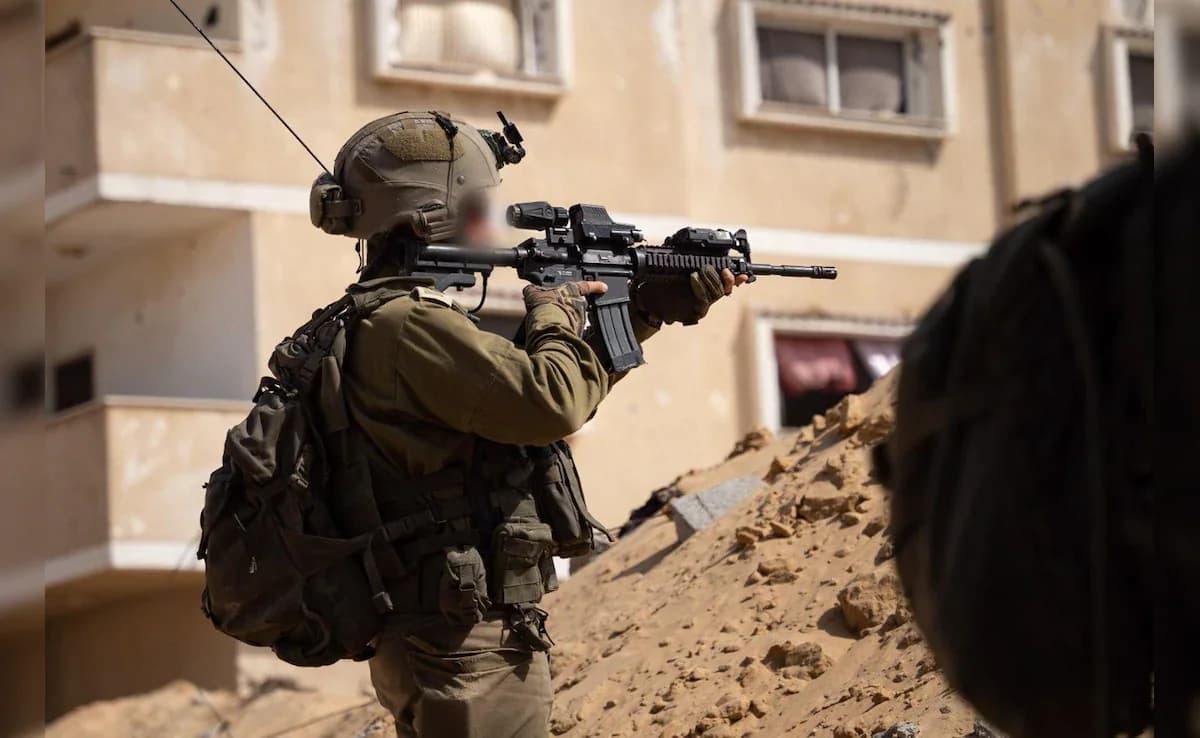
The towns named in the displacement orders include Qaaqaiyat al-Jisr, Kountriyeh al-Sayyad, Ghassaniyeh, Taffahta, Arzai (Sidon), Babliyeh, Ansar (Nabatieh), and Bisariyeh — a broad swathe of communities across southern Lebanon that have already borne the brunt of months of cross-border hostilities. According to Reuters, Israeli forces are currently occupying a self-declared security zone in southern Lebanon, where hostilities have been focused. The bombing campaign and ground invasion into Lebanon's south had displaced more than one million people, amounting to one in five of the population across Lebanon, with most forced from their homes in the south, eastern Bekaa Valley, and southern suburbs of Beirut known as Dahieh. The Israeli military says it is aiming to create a buffer zone in southern Lebanon to thwart future Hezbollah attacks, with entire villages destroyed in similar tactics deployed in Gaza. Human rights groups say some cases could amount to war crimes, which Israel denies.
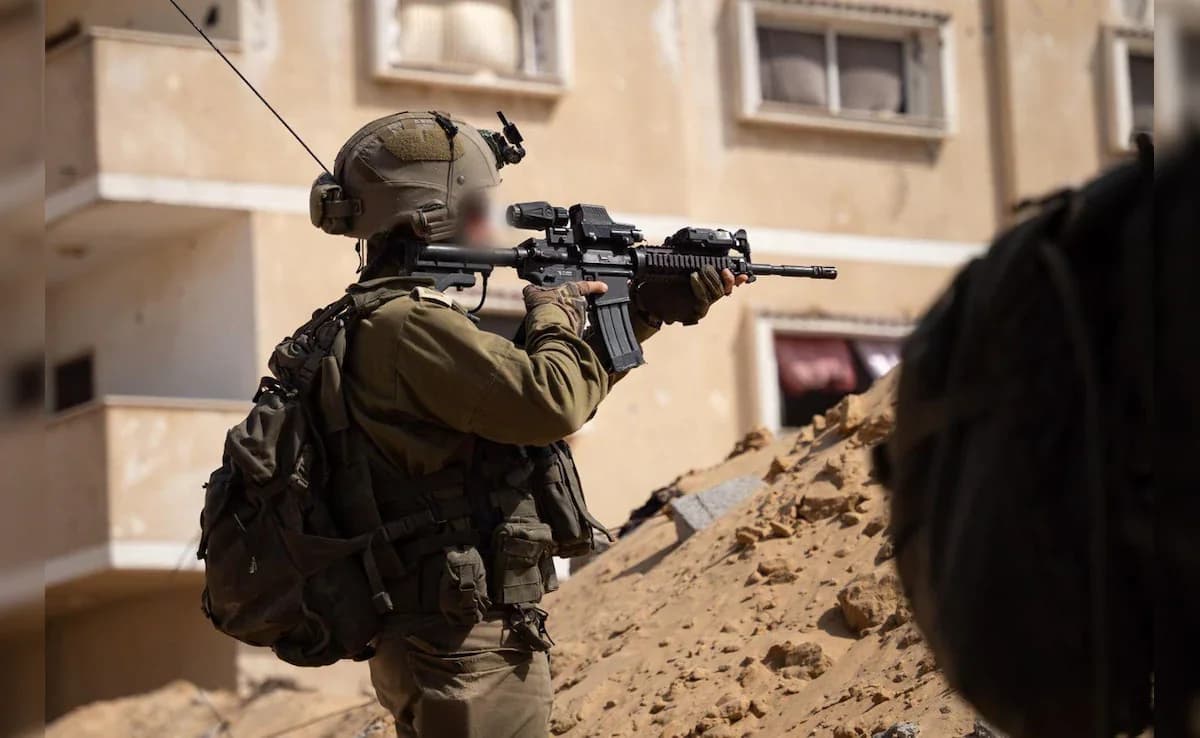
The Washington meetings have evolved to include security and military officials in the highest-level contact between Lebanon and Israel in decades. As reported by Reuters, a new security track of negotiations will be launched at the Pentagon on May 29, while the State Department will convene the two sides again June 2-3 for a political track of negotiations. State Department spokesperson Tommy Pigott stated that the discussions aim to advance lasting peace between the two countries, full recognition of each other's sovereignty and territorial integrity, and establishing genuine security along their shared border. Israeli ambassador Yechiel Leiter described the talks as frank and constructive, emphasizing that security of citizens and soldiers will remain paramount throughout negotiations, noting that "there will be ups and downs, but the potential for success is great."
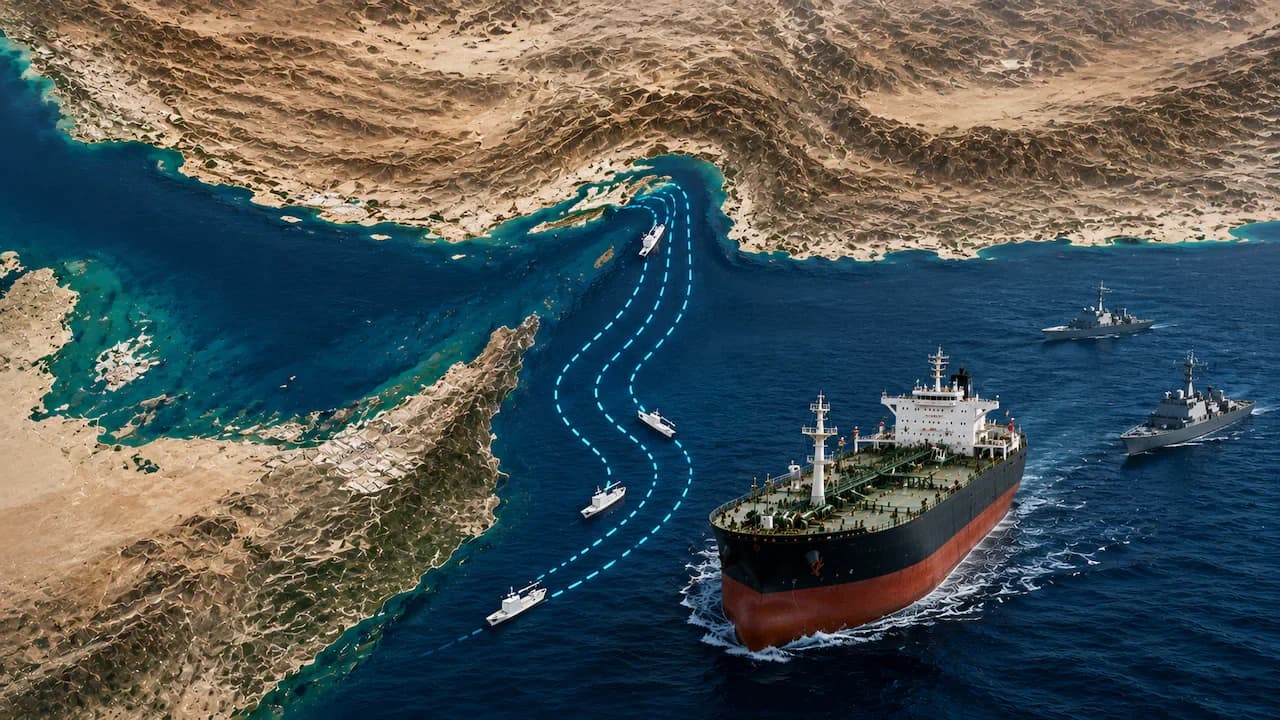
Lebanese Prime Minister Nawaf Salam called for Arab and international support in Beirut's negotiations with Israel, speaking at an NGO dinner and hoping to "mobilise all Arab and international support to bolster our position in the negotiations" with Israel. In an implicit rebuke to Hezbollah, which joined the Middle East war in support of Iran, Salam said his country had had "enough of these reckless adventures serving foreign projects or interests" and that the Lebanese military should be the only armed body in the country. Meanwhile, Iranian Foreign Minister Abbas Araghchi has warned of further economic consequences for the United States over its "war of choice" on Iran and the continued restrictions on transit of the Strait of Hormuz, adding another layer of regional tensions to the ongoing conflict. Araghchi told reporters in New Delhi that Iran would welcome diplomatic support from other countries, particularly from China, citing Beijing's previous role in facilitating the restoration of ties between Iran and Saudi Arabia, though China has shown little public interest in U.S. requests to get more involved.