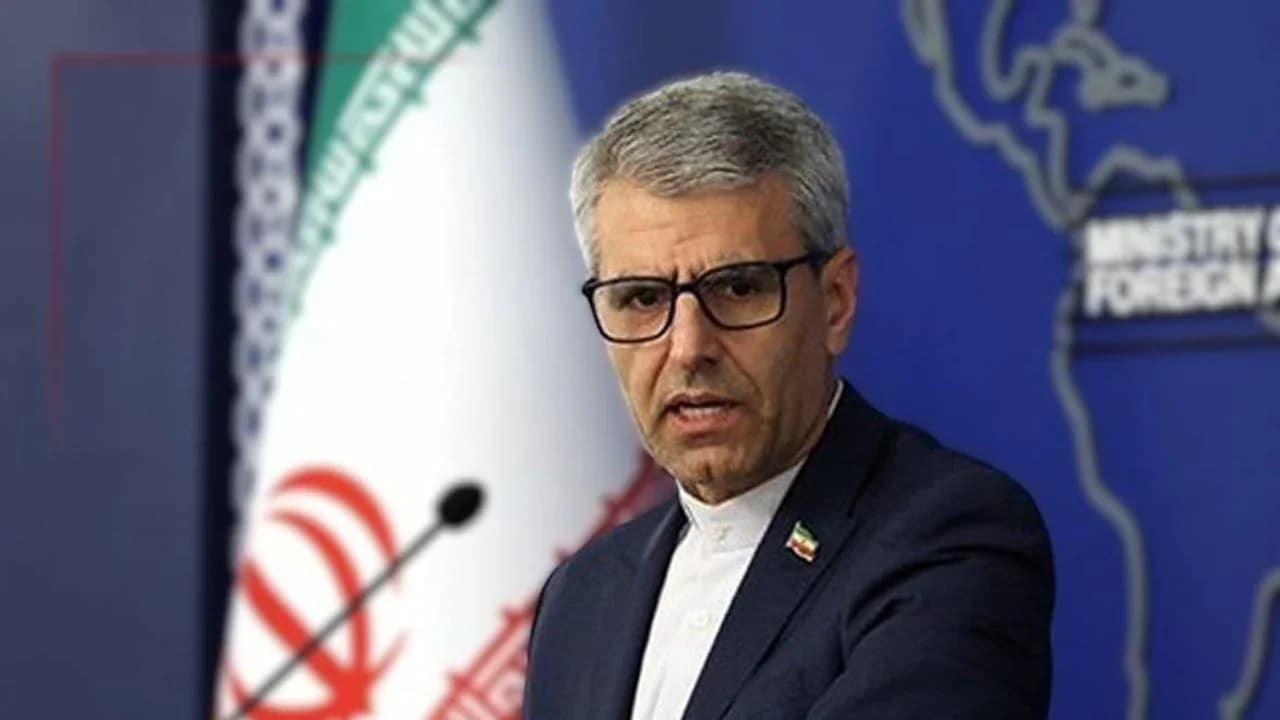
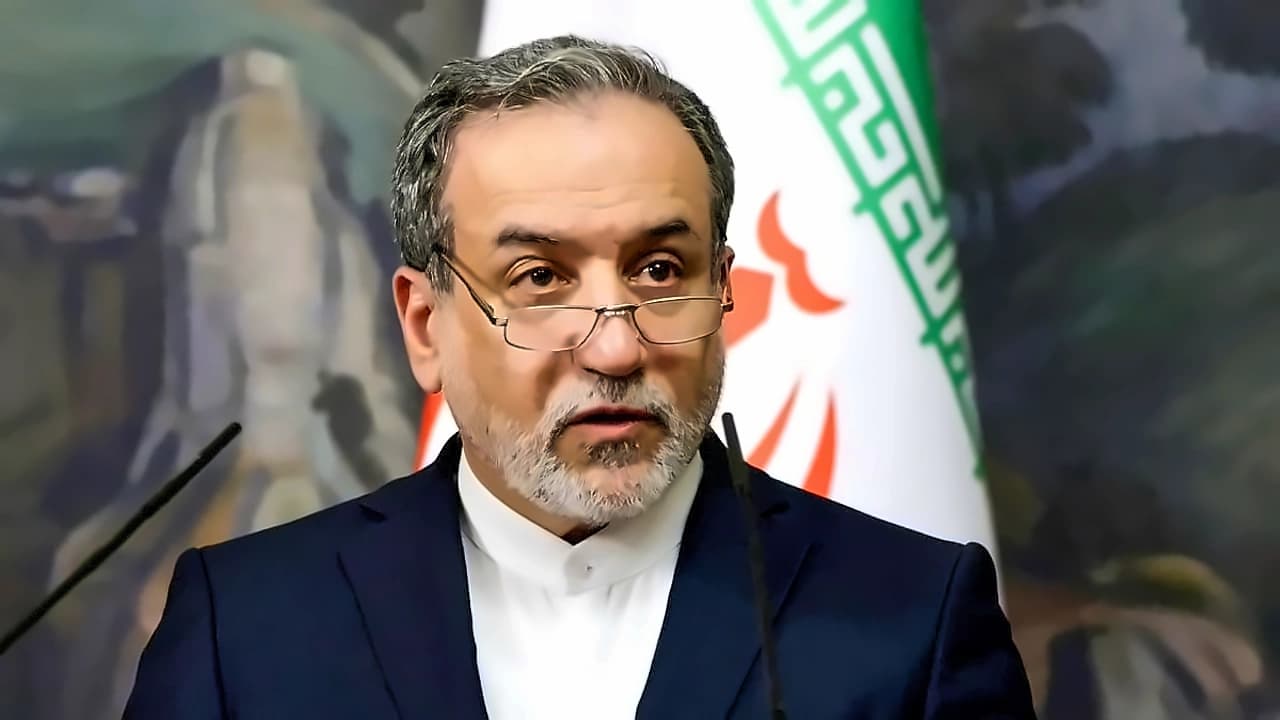
Iran has sharply criticised Israel's latest military operations in Lebanon, with Foreign Ministry spokesperson Esmaeil Baghaei terming the Israeli strikes as 'brutal' and accusing the United States of enabling what he described as deadly attacks targeting civilians and infrastructure. According to Al-Jazeera, Baghaei said the US was an 'accomplice' in Israel's actions not only in Lebanon, but also in Palestine and across the wider Middle East. The remarks come amid ongoing regional uncertainty and parallel diplomatic discussions involving Tehran and Washington. Security affairs analyst Ali Rizk said Iran considers Hezbollah an indispensable regional ally and is expected to strongly defend the group's interests in any negotiations with the United States. Rizk told Al-Jazeera that 'The US might be willing to accept Hezbollah remaining if that means it can reach an understanding with Iran on issues that are more linked to American interests, like the nuclear dossier for example'.
Israel expanded its ground operations inside Lebanon on Tuesday, striking the country with over 120 airstrikes in a single day according to Israel Defense Forces. The Israeli military hit 100+ Hezbollah infrastructure sites and fighters using approximately 85 munitions across several areas in southern and eastern Lebanon, marking one of the heaviest bombing days since the US-brokered ceasefire began in mid-April. As reported by Reuters, Israeli forces pushed ground operations past the Yellow Line buffer zone, though the full extent of the advance beyond this self-declared five to ten kilometer territory remained unclear. An Israeli military official told AFP that troops had begun operating beyond the Israel-announced 'Yellow Line' in south Lebanon, which runs around 10km deep inside Lebanese territory. Prime Minister Benjamin Netanyahu stated that Israeli military forces were operating with large forces in the field and capturing and controlling areas, adding that Israel was fortifying what it calls a security strip to protect communities in its north. Netanyahu's announcement came as Israel's military clashed with Hezbollah along the Litani River, which has been a de facto boundary in Lebanon, with the Israeli military saying it struck more than 100 Hezbollah sites across southern Lebanon and the eastern Bekaa Valley area overnight.
According to Lebanon's Health Ministry cited by the state news agency NNA, the strikes killed 31 people and wounded 40 in recent hours alone. The casualties included 14 deaths from the town of Burj al-Shamali in the south, among them two children and three women. The bombardment also targeted civilian infrastructure, with strikes hitting near Beaufort Castle, a nearly 900-year-old UNESCO-designated medieval fortress, and at least three strikes near the Qaraoun Dam in eastern Lebanon - the country's largest water reservoir. The latest casualties included a man and his wife killed in a strike on their home in the southern town of Arab Salim on Monday evening, and two other people killed in the village of Kauthariyet El Rez. In Mashghara village, 11 people were pulled from the rubble, among them one woman and two children, with 15 people injured including a seven-year-old boy named Mohammed who was rescued from the rubble. An AFP correspondent in the southern city of Nabatieh reported airstrikes following an unprecedented warning on the city and saw plumes of smoke rising from various locations within it. The Israeli military issued evacuation warnings for at least 50 southern and eastern towns and villages on Tuesday, including Nabatieh city, and has now expanded these warnings to include Ansariya, al-Khrayeb, Shabriha, Sarafand, Adlun and Baysariya.
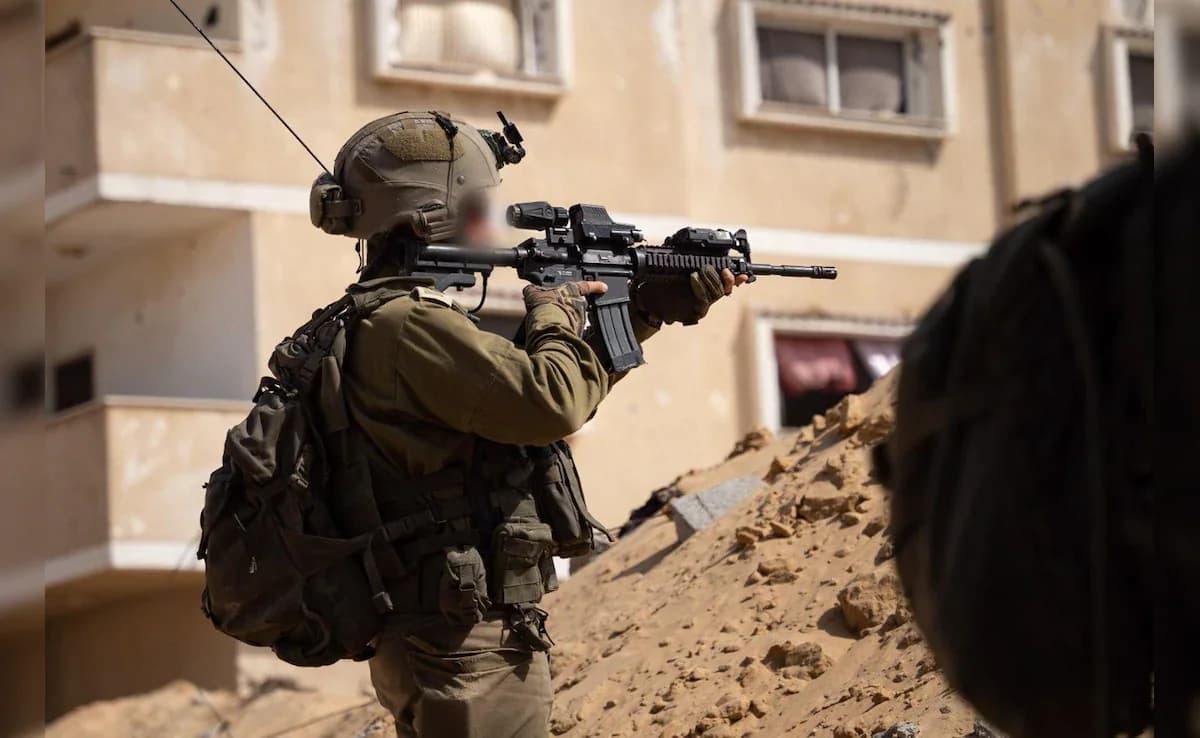
Hezbollah fighters confronted Israeli troops attempting to advance into towns overlooking Nabatieh city, according to multiple reports. The armed group claimed its fighters pushed back an Israeli force that had moved toward Zawtar al-Sharqiyah after airstrikes and heavy artillery fire. Hezbollah also claimed responsibility for a series of drone and rocket attacks on Israeli forces in the town and engaged directly with them. The Israeli army on Tuesday said it 'intercepted several explosive drones launched by the Hezbollah terrorist organization toward Israeli territory'. In eastern Lebanon, the health ministry said 'yesterday's Israeli enemy airstrike on the town of Mashghara in West Bekaa resulted in a preliminary toll of 11 martyrs, including two girls and a woman, and 15 wounded, including a child'. The Israeli military in a statement said it launched 'several strikes ... in the area of Mashghara' on 'Hezbollah infrastructure sites where terrorists' activity was identified' and claimed to have struck more than 90 weapons storage facilities, command centres, observation posts and other infrastructure sites used by Hezbollah in southern Lebanon. Hezbollah's Al-Manar TV said the militant group repelled attacks along the river banks and launched several rocket, artillery and exploding drone attacks on Israeli troops and vehicles mobilizing along the river toward the Nabatieh villages of Yohmor al-Shaqif and Zawtar al-Sharqieh.
The April 16 ceasefire between Israel and Iran-backed Hezbollah has grown increasingly tenuous, with the latest developments pushing the fragile agreement to the brink of collapse. According to Al-Jazeera citing Lebanon's Health Ministry, at least 3,324 people have been killed and 10,027 injured since the conflict intensified in early March. The cumulative death toll from the Israeli offensive since March 2 at 3,213 people as of May 26 has now been updated to reflect the latest casualty figures. Netanyahu's order to intensify strikes came after the military said a soldier had been killed in combat in southern Lebanon on Sunday, bringing the total Israeli military losses there from Hezbollah attacks since the conflict began on March 2 to 23, along with one civilian contractor. The Israeli military said that 10 of its soldiers had been killed since the April 16 ceasefire, six of them by Hezbollah's explosive drones. The World Health Organization has said at least 608 people in Lebanon have been killed in Israeli attacks since the truce, while Hezbollah has not released figures for its own casualties. UN Secretary General spokesperson Farhan Haq said on Tuesday that 'on Monday UN peacekeepers in Lebanon detected 91 airspace violations, the highest number since the cessation of hostilities came into effect'. He added that 'yesterday, Unifil reported 399 firing incidents attributed to the (Israeli army), and 11 trajectories of projectiles attributed to Hezbollah'.
The ongoing conflict has created a severe humanitarian crisis in Lebanon, with over a million people displaced by the war that began when Hezbollah fired rockets into northern Israel on March 2 in solidarity with Iran. The Lebanese government, which came to power on a platform of reform and disarming Hezbollah and other armed groups, hopes that direct talks with Israel, opposed by Hezbollah, will lead to a permanent ceasefire and withdrawal of Israeli troops. Israel says it will not withdraw until Hezbollah no longer poses a threat to residents of its northern towns, while Hezbollah has vowed to continue fighting until Israel stops its daily airstrikes and withdraws its troops from Lebanon. In recent weeks, Hezbollah has boasted that it is using new fibre-optic drones that Israeli troops have struggled to intercept, hitting both Israeli forces and northern Israeli villages. Security affairs analyst Ali Rizk said Lebanon's future could become increasingly linked to the trajectory of US-Iran relations rather than direct negotiations between Lebanon and Israel. He noted that 'This is, I believe, what the Israelis are afraid of, that the Trump administration might sell them out when it comes to Hezbollah' and suggested that 'The possibility exists' for such a scenario.