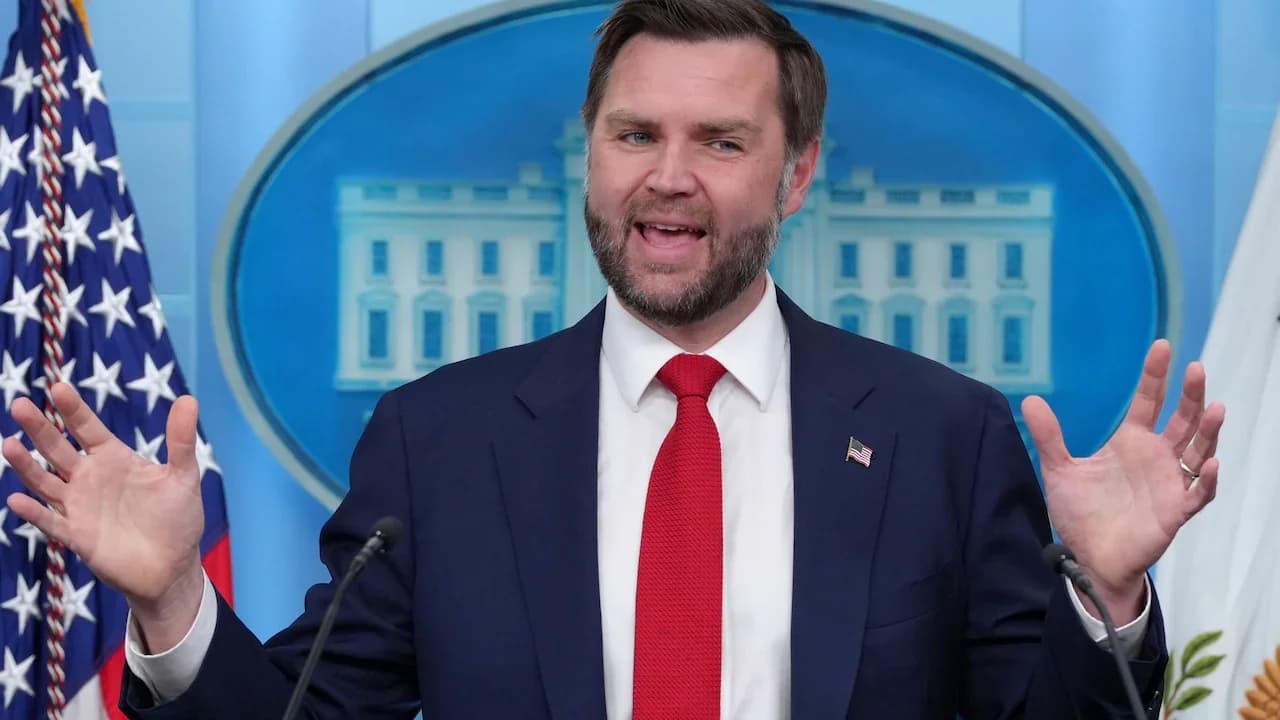
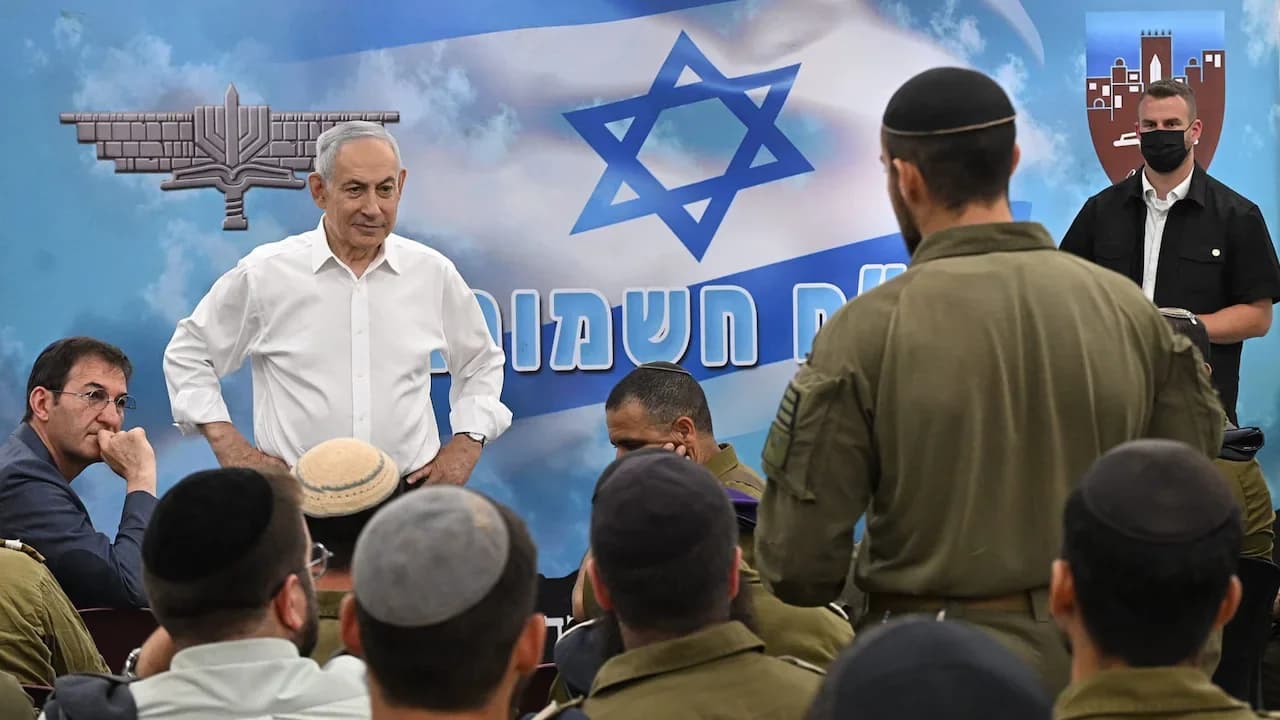
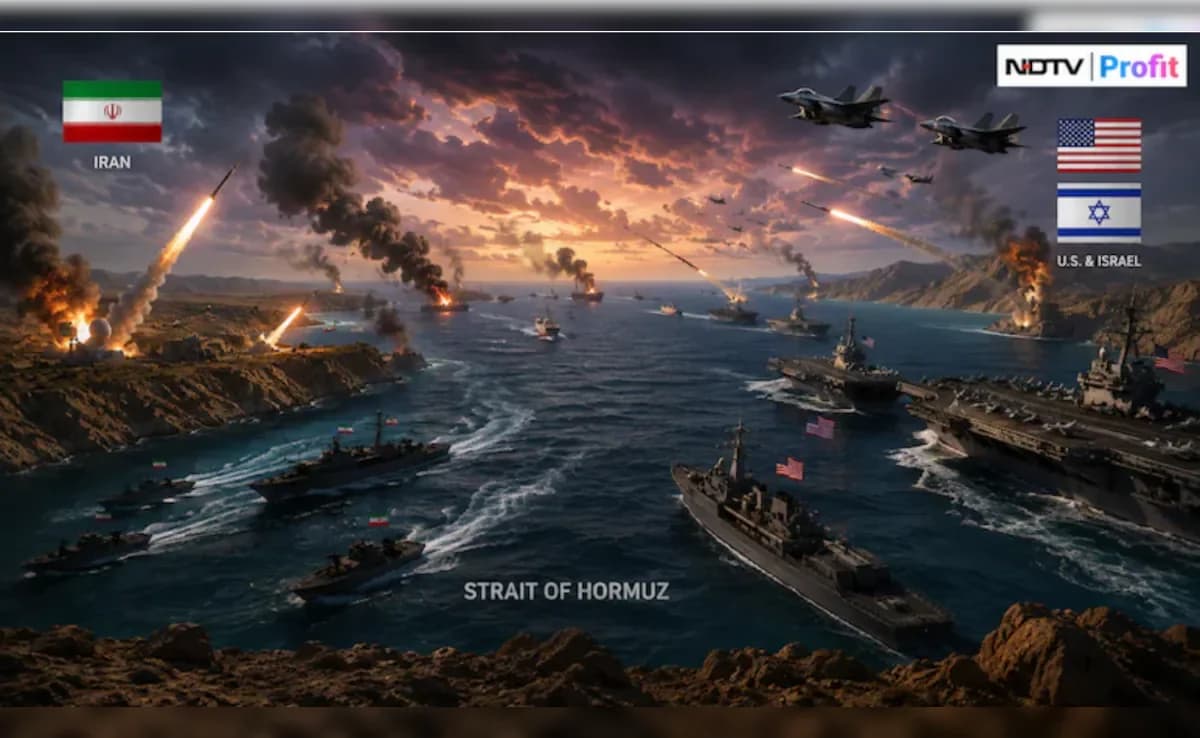
President Trump is grappling with his own version of the sort of West Asia crisis that beset his predecessors, facing a rolling crisis that keeps thwarting his impulses for dominance and control. As per The Financial Times, Trump lashed out at Prime Minister Benjamin Netanyahu on Sunday, telling the publication that the Israeli leader 'won't have any choice' but to accept a US-negotiated deal with Iran, stating 'I call all the shots.' However, early Monday, Trump was still trying to rein in Netanyahu, writing on social media just after 5:30 a.m.: 'Israel and Iran must immediately stop 'shooting.' One hundred days after starting the US-Israeli war on Iran on February 28, Trump is facing a fundamental deadlock as Iran hawks in Washington warn that the president faces a strategic defeat and polls show broad disapproval of the war as the midterms approach.
The latest flashpoint began when Israel struck a Hezbollah-linked target in Beirut's southern Dahiyeh suburb, a move the White House was not informed of in advance, according to Axios. The strike prompted Iran to launch missile barrages towards Israel — its first such attack since an April truce — triggering successive rounds of strikes and counterstrikes. Israel then hit Iranian air defense systems and a petrochemical plant that it said was used to produce ballistic missiles, while Iran's Islamic Revolutionary Guard Corps said it retaliated with a strike aimed at a similar Israeli plant in the city of Haifa. No deaths were reported by authorities on either side, though there were reports of explosions in Tehran with air defenses shooting down a drone over the capital. This represents the latest episode to shake a ceasefire announced on April 8 that has largely halted hostilities between Iran and the United States as well as Israel following the outbreak of war on February 28.
US President Donald Trump expressed optimism about the situation with Iran on Friday, telling reporters during an event with farmers in Wisconsin that 'The situation with Iran seems to be going quite well.' Trump indicated that 'We're going to come out of Iran very quickly and it's going to be very strong one way or the other, whether it's a piece of paper or the very tough way,' adding that 'The very tough way is maybe the easier way, but we're going to come out, and your fertiliser prices are going way down, just like they were four months ago.' Asked on Friday how much oil was getting out of Hormuz, Trump replied: 'A lot.' 'I don't want to say how many, but a lot,' the president told reporters traveling aboard Air Force One. 'A lot of oil is coming into the world that people don't even know about. And that's why it's at $97 a barrel instead of $300 a barrel.' Trump also appeared to downplay the ongoing hostilities, saying, 'It's really not much of a war. But it's a military conflict. It's practice.'
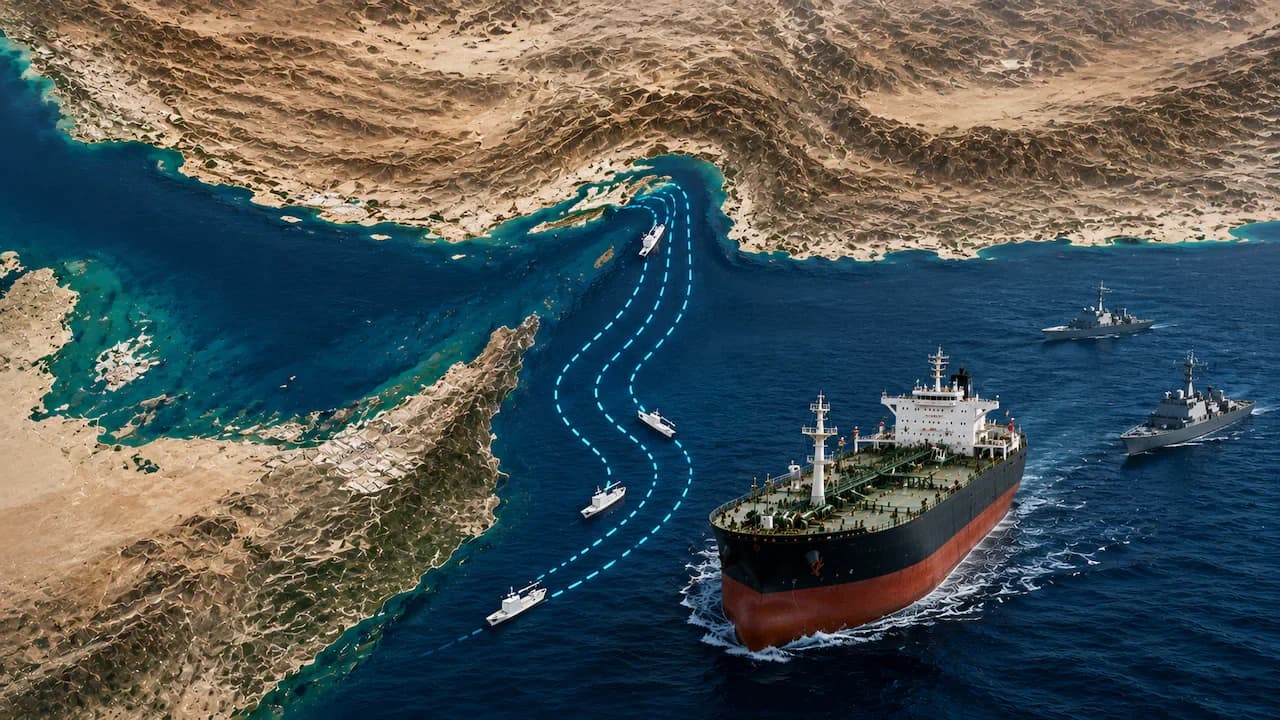
American forces have counted nearly 1,000 commercial vessel transits in and out of the Strait of Hormuz in the last two months, according to an official familiar with US Central Command operations, a figure that's higher than private sector estimates. Military analysts measured the number of ship passages since a ceasefire took effect between the US and Iran on April 8 using continual air, sea and space surveillance deployed as part of the war against Iran. The bulk of the vessels are large cargo and container ships, with the figure not counting smaller craft such as traditional dhows. However, this remains far below the more than 100 ships passing daily through the vital waterway before President Donald Trump launched a war against Iran in late February, which effectively shuttered the Strait of Hormuz and sent global energy prices soaring. A Bloomberg tally of ship-tracking data counts just over 650 transits since April 8 — 402 outbound and about 260 inbound, suggesting the US count likely reflects rising numbers of ships making dark transits with transponders turned off to avoid detection.
Trump's comments came despite a contrasting assessment from Iranian officials regarding the ongoing negotiations. According to CNN, Mohsen Rezaei, a military adviser to Supreme Leader Ayatollah Mojtaba Khamenei, said negotiations remain deadlocked. Rezaei stated that progress would depend on the United States agreeing to release billions of dollars in frozen Iranian assets held overseas. Trump dismissed these reports, insisting that preventing Iran from acquiring nuclear weapons remains the central goal of US policy. 'We had to extinguish a nuclear weapon,' Trump said. 'This was going to be a very capable country that was going to have a massive nuclear presence, and we weren't going to let that happen.' Claiming that the objective had largely been achieved, he added, 'We've largely finished that.'
Iran's Parliament Speaker Mohammad Bagher Ghalibaf has hailed Iran's 100-day 'national jihad' against the US-Israel combine, which he says has successfully pulled the country from 'the jaws of ferocious wolves'. In a post on X, Ghalibaf stated: 'One hundred days have passed since the national jihad that rose up to preserve the lifeblood of Iran. God's greetings upon you who warmed Iran's back, disheartened the enemy, and pulled the country from the jaws of ferocious wolves that had bared their teeth to force the submission of Islamic Iran.' Ghalibaf, who is also the chief negotiator of Tehran in ongoing backchannel talks with Washington, emphasized that 'Long live Iran, and long live the resistance of the great Iranian nation.' The Iranian government's survival of the initial decapitation strikes, which killed Supreme Leader Ayatollah Ali Khamenei, has demonstrated the resilience of Iranian institutions despite the ongoing military conflict.