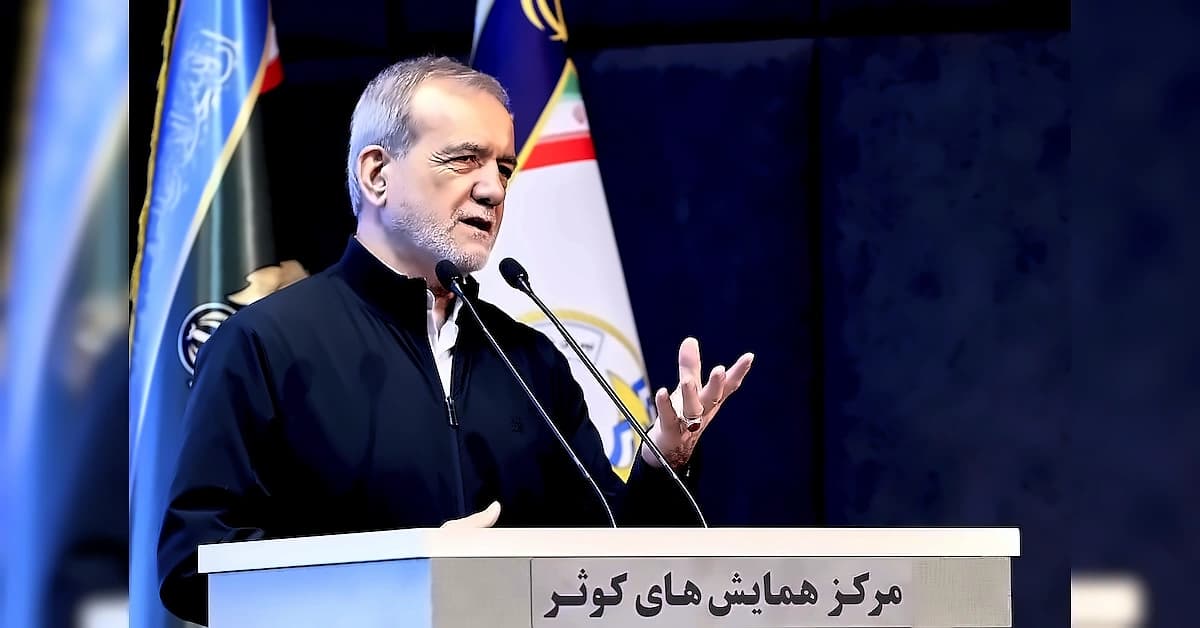
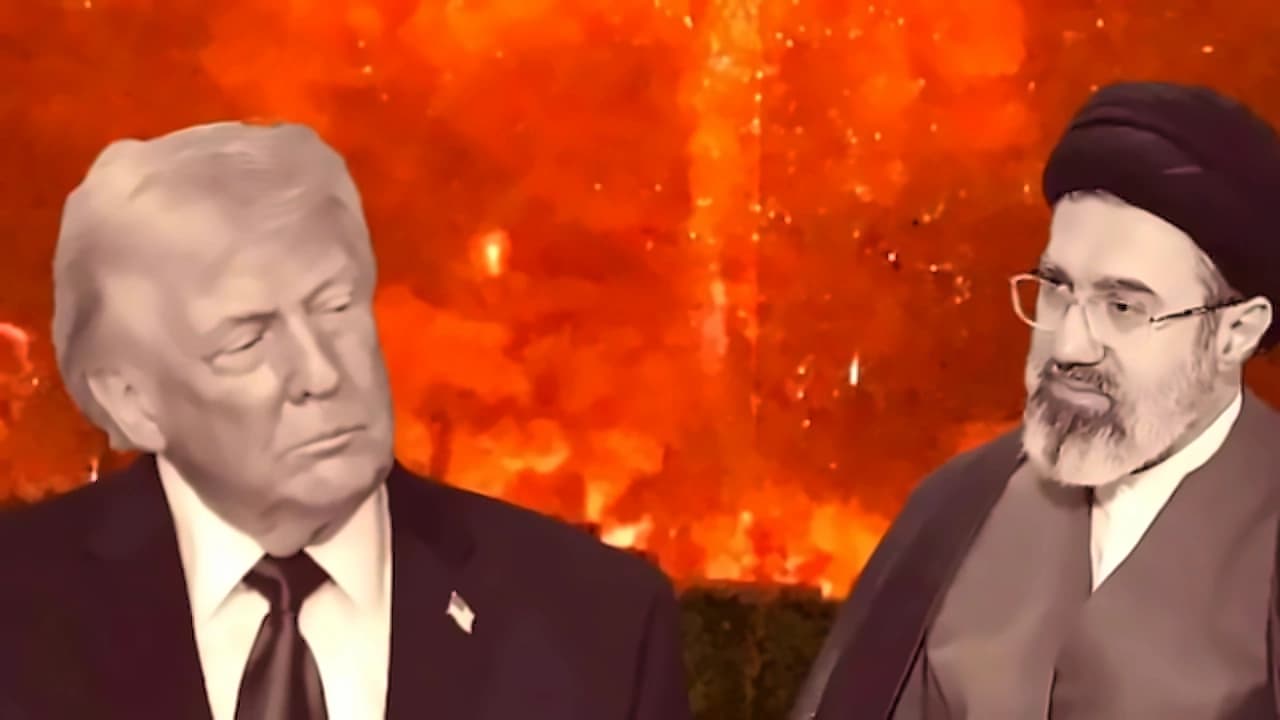
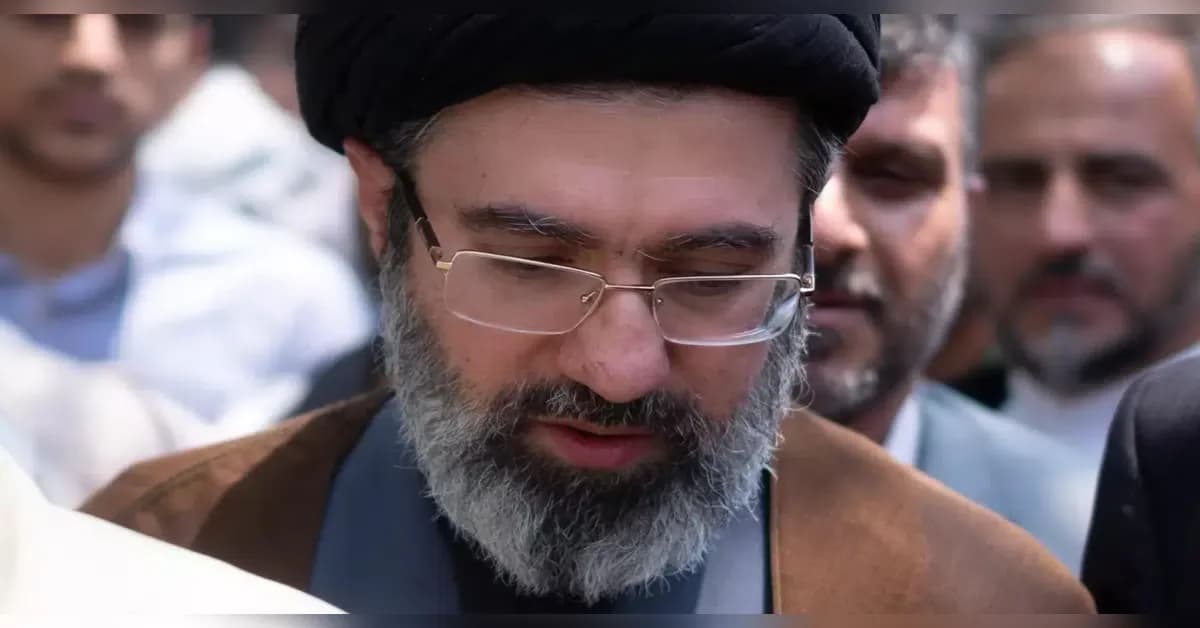
Iran's supreme leader Mojtaba Khamenei is sheltering in a secret, undisclosed location and is communicating with his own government exclusively through a network of couriers, according to CBS News reports citing US intelligence officials. The security posture is so extreme that even senior Iranian officials at the highest levels of government say they do not know where Mojtaba Khamenei is and have no direct way to reach him, relying instead on this courier system. Counterterrorism analysts are drawing direct comparisons between Khamenei's disappearance and the decade Osama bin Laden spent in hiding after the September 11, 2001 attacks. As FOX News reports, Dr. Omar Mohammed, a counterterrorism expert with the Antisemitism Research Initiative at George Washington University's Programme on Extremism, noted: "For the first time in the history of the Islamic Republic, the United States has done to Tehran what it spent two decades doing to al-Qaeda and ISIS." The parallels extend beyond geography to the circumstances that brought both men to power - both inherited their status on the back of American operations and responded by ceasing to exist publicly.
The revelation offers a striking window into the dysfunction gripping Iran's leadership as the Trump administration works to finalize a nuclear deal with Tehran, helping explain why negotiations have proceeded at such a sluggish pace. According to CBS News, Iranian officials authorized to work with the Trump administration have been having difficulty communicating inside their own government, with the difficulty in reaching the supreme leader meaning there can be long delays before Washington receives a response to proposed details. US intelligence officials explain that every message Khamenei receives travels through a chain of intermediaries before reaching him, with every response taking the same slow, circuitous route back out. "This is why you see people saying things like, 'The supreme leader has agreed to the framework,' or 'We're waiting to hear back on the final deal points,'" one US official said, noting there's a lot of latency to his responses. The extraordinary security measures are now delaying ongoing US-Iran discussions to end the war since it broke out on February 28.
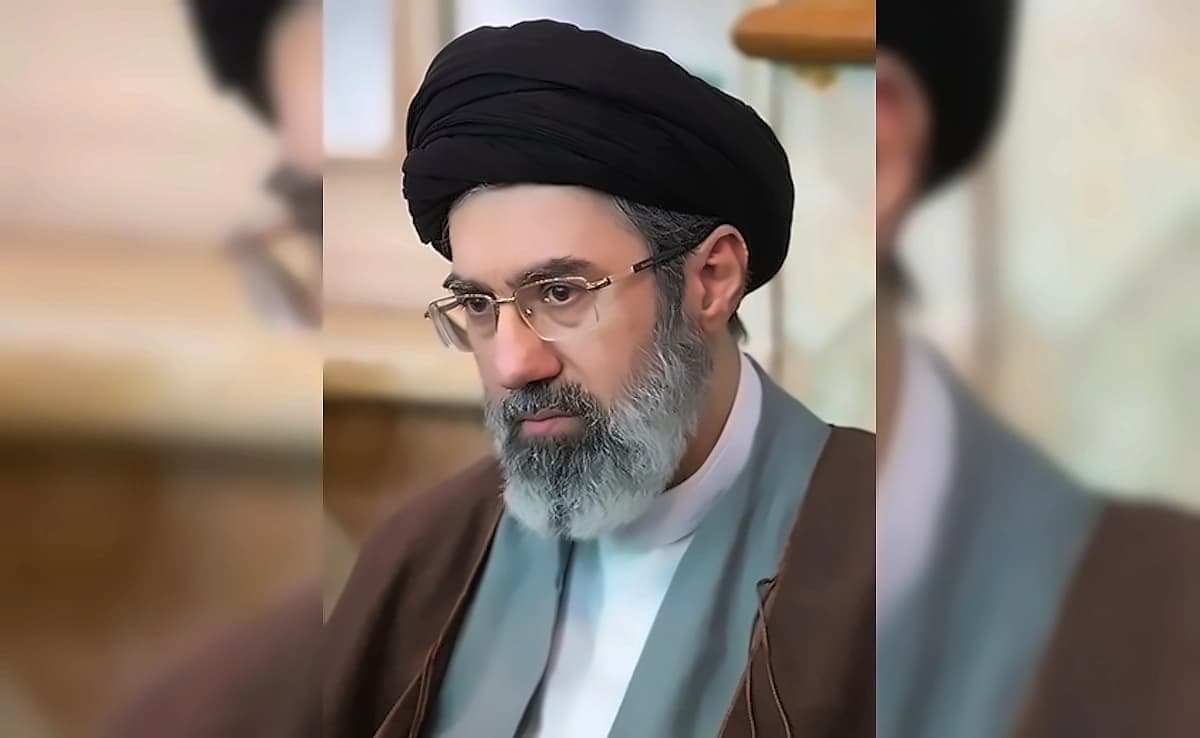
The extraordinary security measures stem directly from the ongoing conflict, with Mojtaba Khamenei having been injured in US and Israeli strikes during Operation Epic Fury. As reported by CBS News, Mojtaba has not been publicly seen or heard from since before the war began, taking extreme precautions to avoid the fate of his father, Ayatollah Ali Khamenei, who was killed in those strikes and had ruled Iran since 1989. US and Israeli intelligence obtained from inside the Iranian government has made it possible to locate and eliminate much of the Iranian senior leadership during the war, driving most Iranian leaders to spend weeks inside heavily fortified bunkers. The same intelligence capability that enabled these strikes is now driving Khamenei's extreme isolation, with analysts suggesting he won't emerge because "the Abbottabad lesson is that the safest hiding place is not a cave in Tora Bora but a walled compound in a garrison town." Earlier reports had suggested the current Iranian supreme leader suffered injuries during US airstrikes and required extensive medical treatment, including plastic surgery, and has not appeared publicly since assuming leadership in March.
Despite the chaos, a senior administration official said the supreme leader had approved the broad outlines of the latest draft agreement, and President Trump posted Sunday that he expects a final decision within days, according to CBS News. However, Trump told reporters on Wednesday that he was in "no hurry" regarding the negotiations. The White House declined to comment on intelligence regarding Khamenei's whereabouts or Iran's internal communication methods. One US official offered assessment to CBS News: "Watching them try to figure out how to talk to each other is almost like watching a sitcom. They are completely exasperated." The supreme leader has communicated in broad terms to his subordinates, providing direction on which issues Iranian negotiators may discuss and which subjects are off the table entirely, creating a paralyzing atmosphere of caution spreading through Iran's senior leadership. According to CBS News, Khamenei is not the only senior Iranian official believed to be underground - several leaders are spending extended periods inside bunkers while avoiding direct communication with one another due to security concerns.