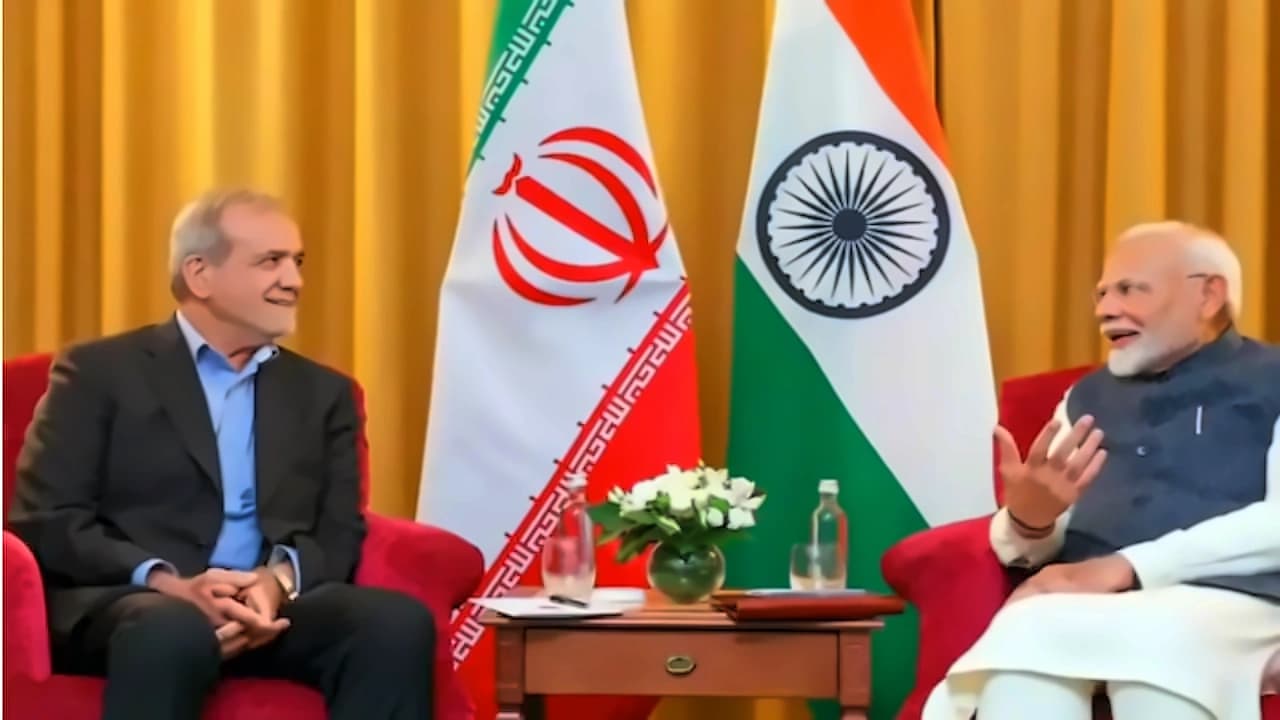
Iranian President Masoud Pezeshkian was driven to an undisclosed Tehran location and taken from his own car, seated in the back of a tinted-window vehicle beside a man he could not see in the dark, who mumbled a few words. According to Iran International, Pezeshkian has been demanding to see the new Iran's Supreme Leader Mojtaba Khamenei who took over on March 9 and had threatened to resign if he was rebuffed again. The meeting was scheduled for two hours, but was all over in a few minutes, granted after Pezeshkian threatened to resign, held away from the leader's usual residence, with guards refusing him a handshake and the exchange carried entirely by voice in the dark before he was asked to leave. A request for a second meeting, this time at the leader's residence, has so far been denied. The president later asked his own aides what had happened and whether the voice he had heard really belonged to Iran's new supreme leader.
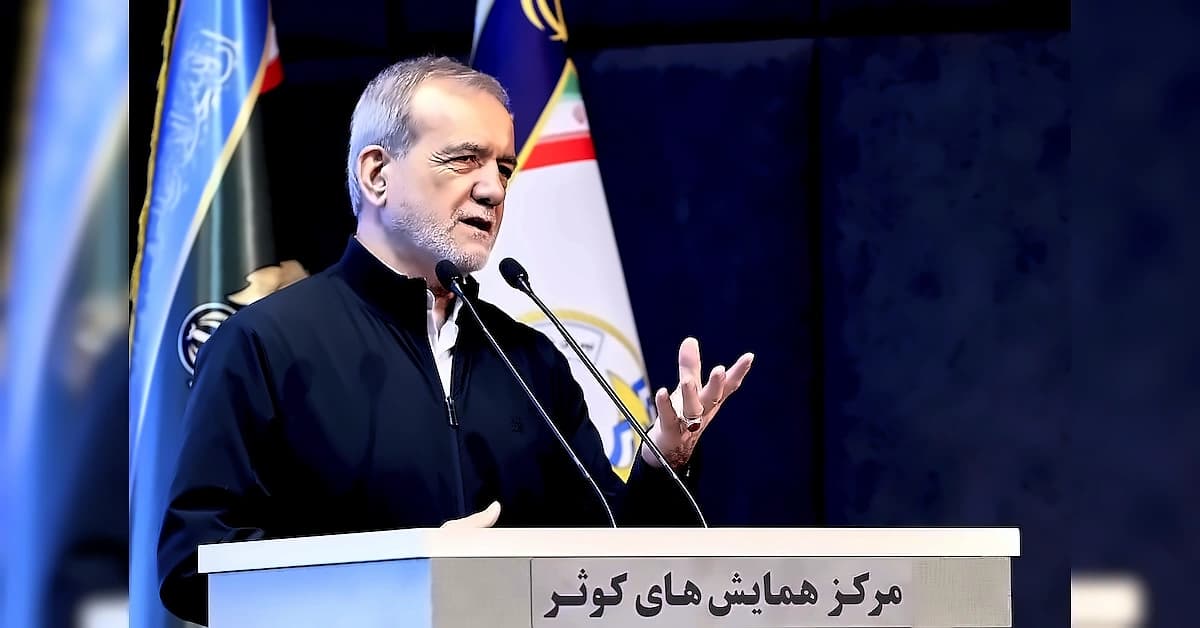
Iranian President Masoud Pezeshkian credited the country's new Supreme Leader Mojtaba Khamenei for maintaining national unity and resilience against external pressures. In a televised address to the nation on Wednesday, Pezeshkian stated that 'hostile powers' had sought to destabilise and topple the Islamic Republic, but the country's new Leader kept Iran united and strong. The President emphasised that enemies sought to replicate Syria's fate for Iran through wars and sanctions, but the resilience and determination of the Iranian people had foiled those plans. As reported by Reuters, citing a senior Iranian source and two regional officials, a proposed agreement involving Iran and Oman could grant Tehran control over vessels entering the Gulf through the Strait of Hormuz, though negotiations over key aspects of the arrangement are still continuing despite US President Donald Trump's claim that an agreement to reopen the strategic waterway was close.
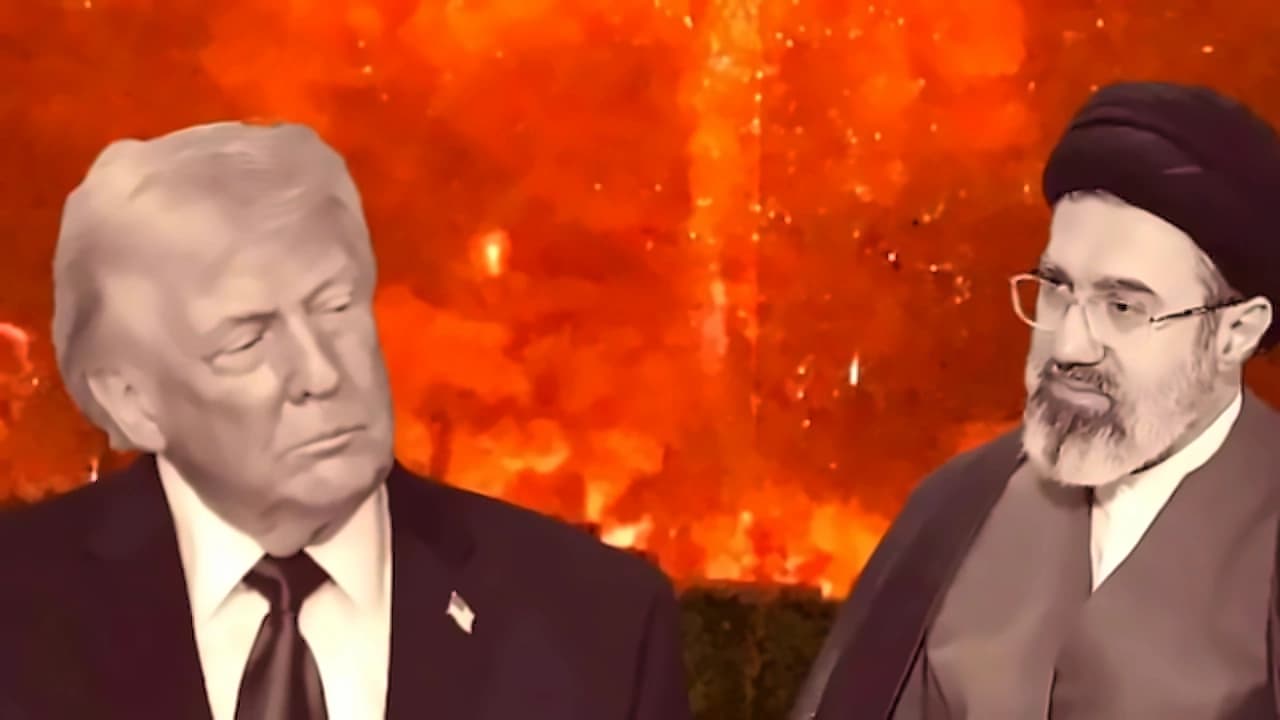
The strain between president and leader's office has spilled into public view, with a family relative of Khamenei's by marriage saying on social media this week that the leader has formally warned Pezeshkian that his next resignation attempt - the 28th, by the relative's count - will be accepted rather than talked down. According to Iran International, Pezeshkian sent a formal resignation letter in late May, driven by what he described as the Revolutionary Guards' complete control over how the country is actually run. The president has publicly defended renewed engagement with Washington - including the memorandum of understanding he signed alongside Trump - as 'the product of the collective wisdom' of Iran's Supreme National Security Council rather than his own initiative, after the Assembly of Experts' leadership board dismissed hopes of a US deal as futile and called for legal action against 'voices of surrender.'
Separately, Trump claimed that 'a lot of progress' had been made in contacts with Iran and stated that Tehran had reached out seeking talks, adding that the situation would become clearer within the next 48 hours, as reported by Reuters. The diplomatic activity comes amid continuing tensions in West Asia following the conflict involving Iran, Israel, and the United States, which escalated after strikes on Iranian nuclear and military facilities and retaliatory attacks across the region. The crisis deepened after the death of Iran's Supreme Leader, Ayatollah Ali Khamenei, leading to the appointment of Mojtaba Khamenei as the country's new supreme leader. The diplomatic outreach represents a significant shift in US-Iran relations following the recent escalation of tensions in the region.