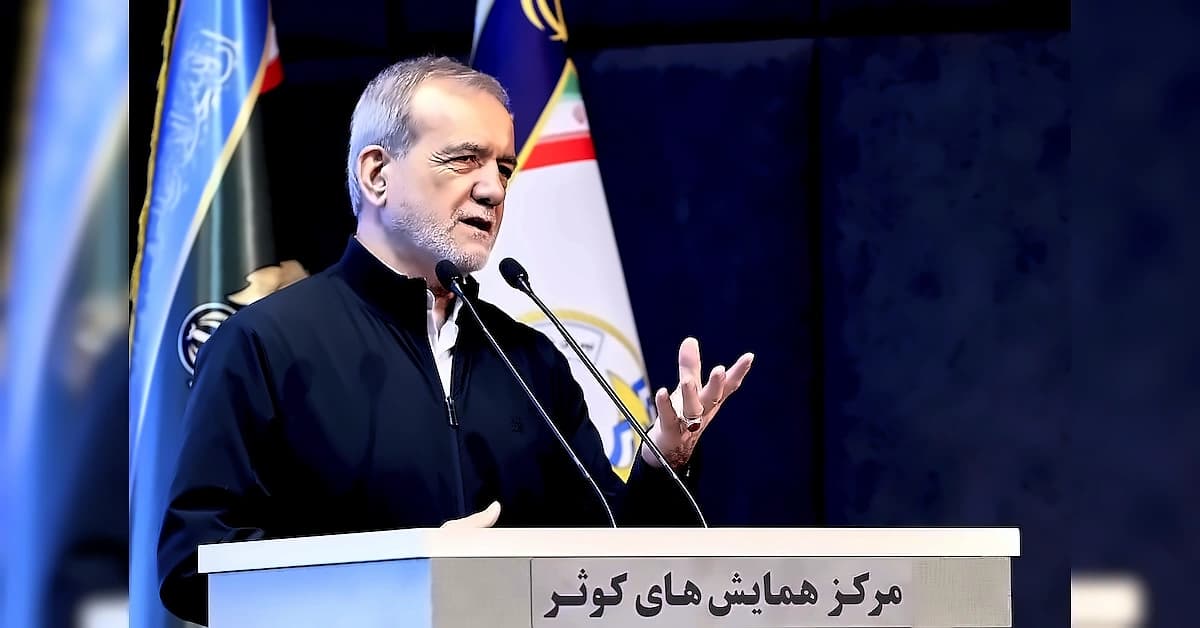
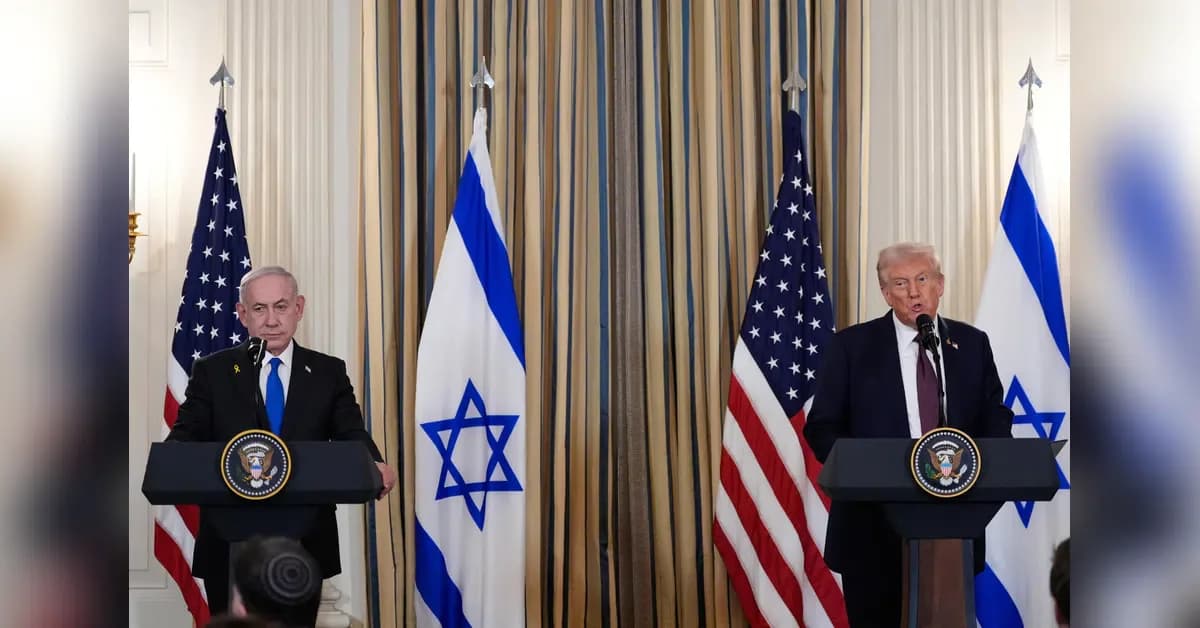
Iran has signalled it will 'reassess' ongoing peace negotiations with the United States following the latest round of American military strikes, with the country's Foreign Ministry spokesman warning that diplomatic progress cannot be separated from conditions on the ground. Ismail Baghaei, spokesman for Iran's Ministry of Foreign Affairs, said Tehran would review the status of negotiations in light of the overnight military exchanges, according to Iran's International Student News Agency (ISNA). The spokesman emphasized that 'Unfortunately, the United States is hurting this process by sending contradictory messages, repeatedly changing positions and demands, as well as a successive violation of the ceasefire,' highlighting the deep impasse in diplomatic relations between the two nations. Baghaei also pointed to Israel's actions as a further complicating factor, saying the Israeli government was harming diplomatic efforts through repeated ceasefire violations in Lebanon, warning that any diplomatic process would be disrupted if used as cover for coercive or illegal actions.
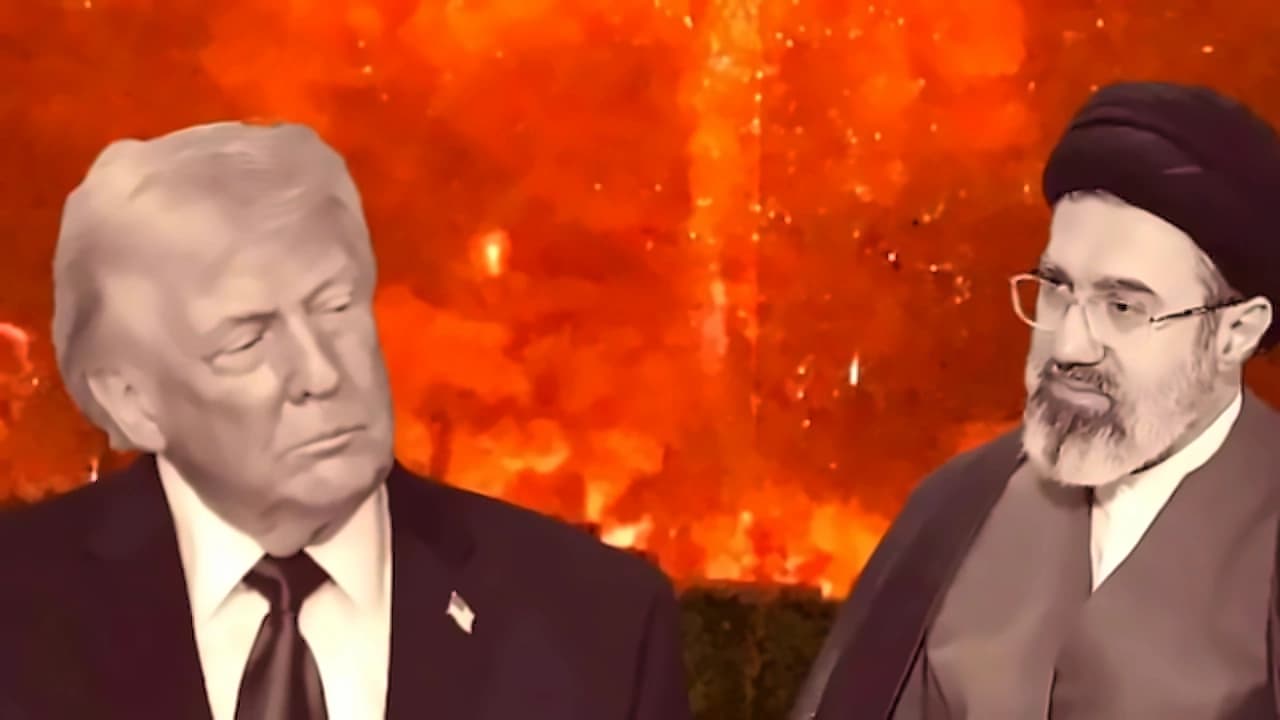
According to the CNN interview, Iranian assets worth approximately $24 billion remain frozen and Rezaei argues this represents a modest step for the US to demonstrate seriousness about reaching an agreement. The military adviser emphasized that 'This is our own money, not America's money' and that 'the cost of negotiating is much less for America than the cost of fighting with us.' As reported by CNN, Rezaei framed the demand as a trust-building measure, stating that 'If he (Trump) wants to reach an agreement with Iran, this $24 billion is a test of trust that Iran wants to have with Trump – this is a test that America must pass and the path will be opened.' Iran has reportedly asked for $24 billion in frozen funds to be released in phases, including an initial $12 billion upon signing an interim deal with the US and a further $12 billion later. US officials are concerned that any unfreezing of funds at this stage could remove a key leverage point over the regime, while Trump has demanded that any agreement appear far stronger than the nuclear deal struck in 2015. Rezaei cast doubt on the durability of a nuclear agreement with Trump, citing his withdrawal from the 2015 Iran nuclear deal and what he said was his strategy of 'ambiguity' in talks.
The latest military exchanges represent a significant escalation, with the IRGC launching drone and ballistic missile strikes against US military installations in Bahrain, Kuwait, and Jordan in retaliation for US strikes on Iranian air defence systems, radar sites, and ground control stations near the Strait of Hormuz. The IRGC separately claimed to have struck F-35 hangars and a command and control centre at a US airbase in eastern Jordan, and said it had downed a US MQ-9 drone over the town of Jam. The US strikes were themselves triggered by Iran's downing of a US Army Apache helicopter near the coast of Oman on Monday. Baghaei reiterated that 'What happened last night showed that Iran's brave armed forces do not hesitate to defend the country and will respond to the enemy with authority wherever necessary,' emphasizing that Iran's government pillars were fully coordinated on both the diplomatic and military fronts, deploying each as circumstances required.
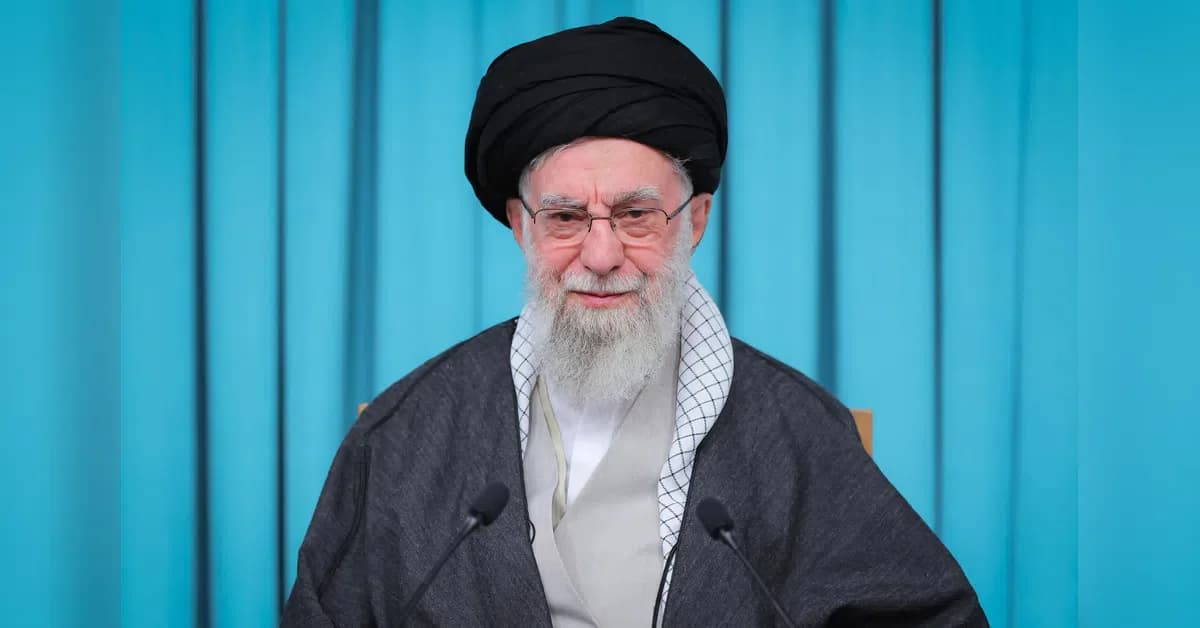
Iran's Supreme Leader Mojtaba Khamenei will not meet US President Donald Trump, according to senior Iranian official Mohsen Rezaei. As reported by CNN, this position was stated in an exclusive interview with Tehran-based military adviser Mohsen Rezaei, who serves as a military adviser to Supreme Leader Ayatollah Mojtaba Khamenei. The statement comes just days after Trump indicated to American press that he would be open to meeting Khamenei at 'some point in the future'. Rezaei emphasized that 'This will not happen. We are still in the first phase of negotiations, and Mr. Trump has effectively brought the process to a standstill,' highlighting the deep impasse in diplomatic relations between the two nations. This week, Trump said he and Khamenei 'seem to be getting along well' and that he would be 'honored' to meet him, but Rezaei's firm rejection suggests the Iranian position remains unchanged. In his latest interview, Rezaei warned that 'The negotiations are at a deadlock and (US President Donald) Trump must break this deadlock,' with 'The game is now in Trump's hands' to address the current diplomatic stalemate.
Peace negotiations between Washington and Tehran had been described by Trump as being in their 'final throes' just days before the latest exchanges, with a deal said to be possible within two to three days. However, the latest military escalation has thrown these negotiations into uncertainty, with Iran's Foreign Ministry spokesman warning that 'Given the developments that took place last night, we must review it.' The current conflict began when US and Israeli forces began strikes on Iran on February 28, marking the escalation of tensions between the two nations. Rezaei warned that conflict could spill into key global shipping routes, highlighting the potential geopolitical consequences of continued tensions. As a member of the current and former Islamic Revolutionary Guard Corps, Rezaei participated in the Iran–Iraq War and led the corps from 1981 to 1997, helping shape one of the Islamic Republic's most powerful institutions.