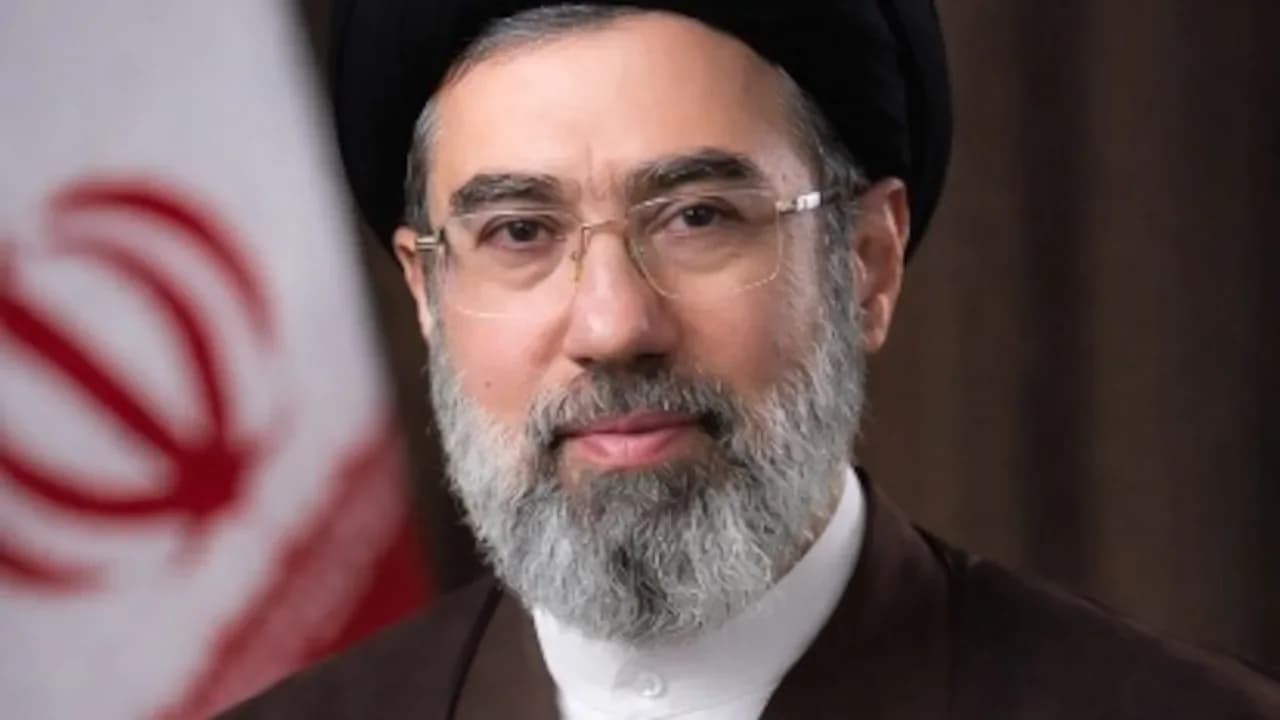
Iran's Supreme Leader Ayatollah Mojtaba Khamenei issued a direct message to Gulf rulers on Sunday, urging them to identify their 'real enemy' and understand its plans before confronting it. The message was shared on Khamenei's Telegram account and was issued to mark the birthday of Prophet Muhammad during Islamic Unity Week. According to Reuters, Khamenei specifically stated that 'My emphatic and repeated recommendation to the rulers of Islamic countries, especially the countries of West Asia and the Gulf, is to identify your real enemy, understand his plan and confront it'. The message also called for unity, mutual defence against 'enemies' and greater cooperation among Muslims worldwide, specifically asking whether 'rogues without identity' would have dared to covet Gulf lands and possessions if the peoples and governments of the Gulf had been 'united under the flag of Islam'. Khamenei has not been seen in public since being injured in U.S.-Israeli airstrikes six months ago that launched the Iran war, killing his father and previous supreme leader, Ayatollah Ali Khamenei. Recent developments show that a video released earlier this month showed archival footage of Mojtaba Khamenei participating in a religious academic discussion with clerics, while Iranian President Masoud Pezeshkian had dismissed speculation about Khamenei's health, saying earlier this month that he was 'completely healthy' according to Iran's ISNA news agency.
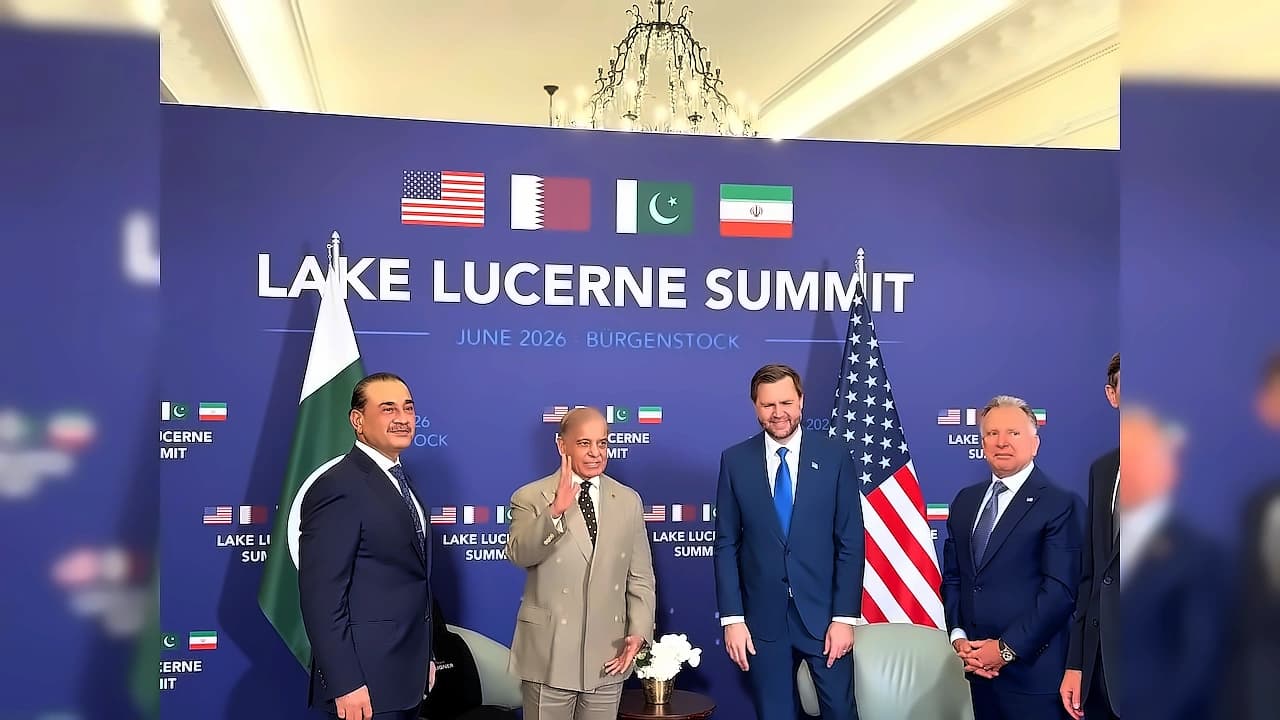
Iranian leaders have acknowledged the severe economic toll of the war with the U.S., with the supreme leader urging the government to address the hardship and the president saying foreign trade has shrunk by a third due to American sanctions and blockade. President Masoud Pezeshkian told state media that Iranian exports and imports had slumped nearly 35% because of U.S. sanctions and a naval blockade of Iranian ports. However, he noted that Iran was able to sell about 90 million barrels of oil during the short-lived memorandum of understanding that the U.S. and Iran signed in June, when Washington permitted Iranian oil sales. The government stated that addressing economic pressures caused by sanctions and war was a central focus, including curbing inflation, managing markets, creating jobs, directing investment towards domestic production and gradually reducing dependence on the dollar. Later on Saturday, Pezeshkian called on state TV for a revival of the interim deal, which was signed on June 17 but quickly unravelled amid disagreements over what had been agreed, especially on the status of the Strait of Hormuz.
Since the 1979 Islamic Revolution, Gulf Arab monarchies have viewed Iran's revolutionary ideology, including its anti-monarchic rhetoric and regional influence, as a threat to their political systems. Khamenei specifically asked Gulf Arab rulers whether 'rogues without identity' would have dared to covet their lands and possessions if the peoples and governments of the Gulf had been 'united under the flag of Islam'. The message emphasized that anyone who creates divisions among Muslims, 'knowingly or unknowingly,' helps Islam's enemies, highlighting the strategic importance of regional unity. During the present conflict, Tehran has struck US military facilities as well as other infrastructure in Gulf states, underscoring the tensions between Tehran and its Gulf neighbors. The message also asked whether Palestinians would have been left 'so helpless' if Muslims had been united, reinforcing the theme of regional cooperation against shared adversaries.
Six months after the U.S. and Israel launched the war, negotiations are at an impasse and President Donald Trump's administration has stepped up efforts to punish Iran financially with what it has billed as an 'economic D-Day'. Yet Tehran signalled no retreat on Saturday, vowing to withstand U.S. pressure, pursue diplomacy and maintain what it said was control over the Strait of Hormuz, the strategic waterway giving Iran leverage through its ability to disrupt global energy markets. The government stated that addressing economic pressures caused by sanctions and war was a central focus, including curbing inflation, managing markets, creating jobs, directing investment towards domestic production and gradually reducing dependence on the dollar. Iranian leaders have also maintained that Tehran would continue to pursue both diplomacy and defence, with the Iranian government describing these as 'two complementary, coordinated and inseparable wings' for protecting the country's national interests, security and territorial integrity.