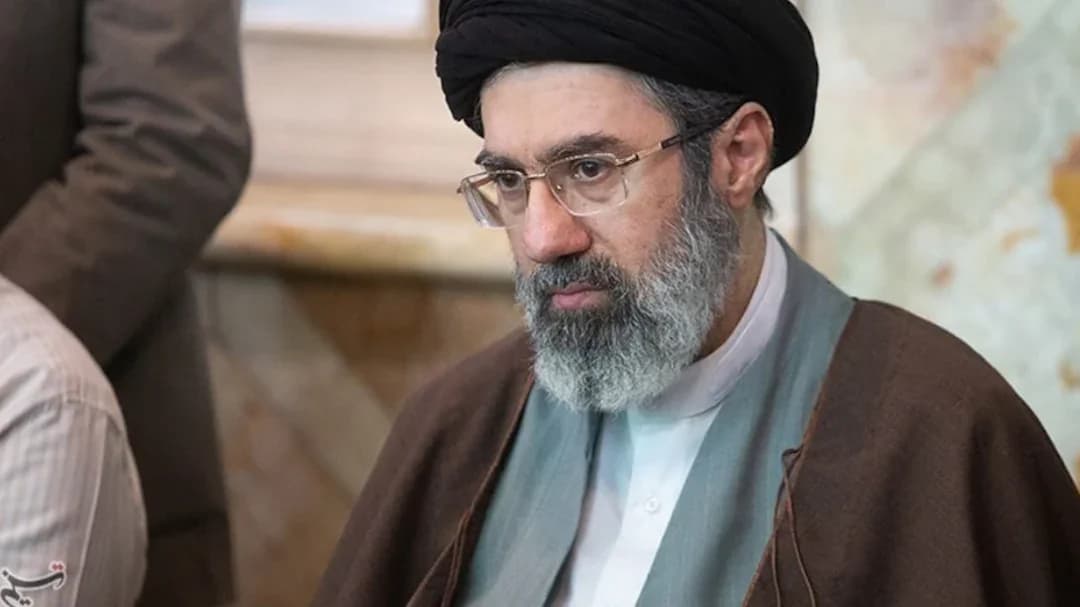
Iran remains firmly opposed to transferring its enriched uranium stockpile outside the country, a US official confirmed to Fox News on Thursday, underscoring a key deadlock in ongoing nuclear negotiations between Tehran and Washington. The official described Iran's position as 'determined' to keep enriched uranium inside its borders and characterized Tehran's stance in the nuclear talks as 'hardline'. However, the official also denied reports that Iran's Supreme Leader Mojtaba Khamenei had formally ordered the uranium stockpile to remain inside the country, contradicting earlier Reuters reports citing two senior Iranian sources. According to Reuters, Khamenei had instructed Iranian authorities not to transfer the country's highly enriched uranium abroad, rejecting one of Washington's central demands in the negotiations.
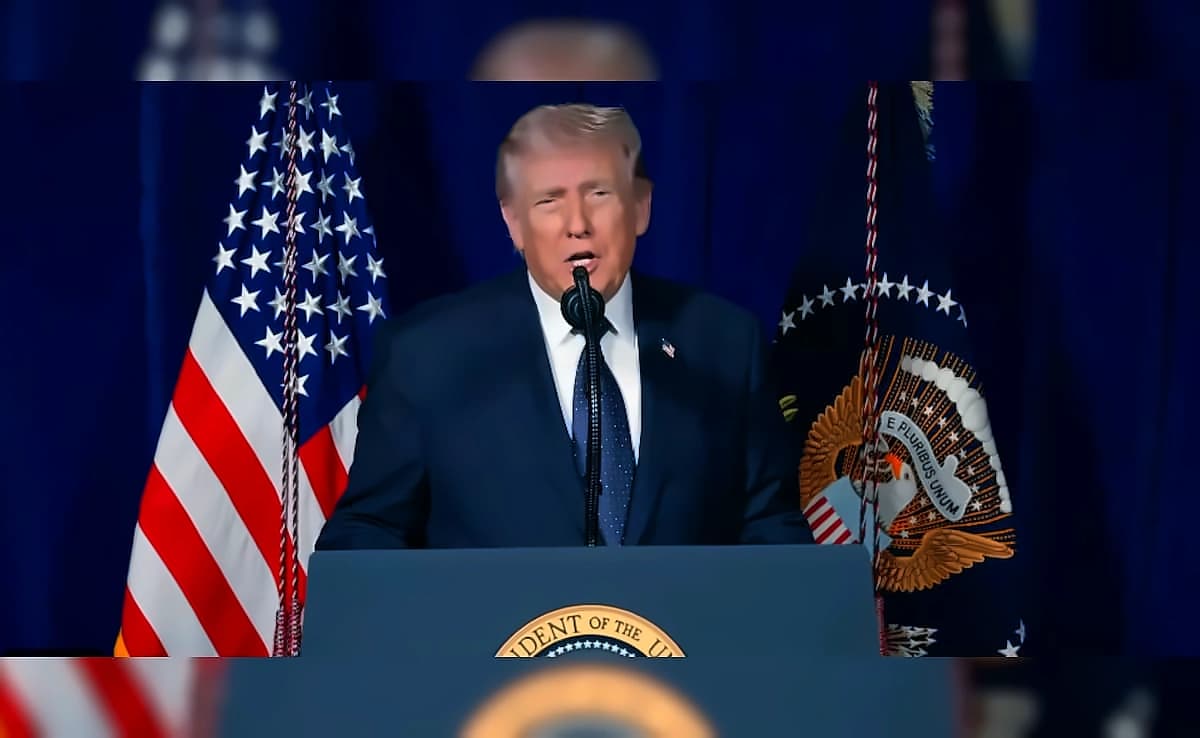
According to Reuters, US President Donald Trump had assured Israel that any agreement with Tehran would require removing Iran's highly enriched uranium from the country. 'We will get it. We don't need it, we don't want it. We'll probably destroy it after we get it, but we're not going to let them have it,' Trump told reporters at the White House on Thursday. Israeli officials have told Reuters that Trump has assured Israel that Iran's stockpile of highly enriched uranium, needed to make an atomic weapon, will be sent out of Iran and that any peace deal must include a clause on this. Israeli Prime Minister Benjamin Netanyahu has said he will not consider the war over until enriched uranium is removed from Iran, Tehran ends its support for proxy militias, and its ballistic missile capabilities are eliminated. However, Israeli officials have told Reuters it is still unclear whether Trump will decide to attack and whether he would give Israel a green light to resume operations.
Iranian officials believe transferring the stockpile would leave the country vulnerable to future attacks by the US and Israel, with Iranian sources telling Reuters that senior leaders fear any removal of enriched uranium could expose Iran to future attacks if diplomatic guarantees fail. Iranian officials have repeatedly said Tehran's priority is to secure a permanent end to the war and credible guarantees that the US and Israel will not launch further attacks. Only after such assurances are in place, they said, would Iran be prepared to engage in detailed negotiations over its nuclear program. The position has hardened significantly after repeated threats from Trump to strike Iran, with one Iranian source noting there were 'feasible formulas' to resolve the matter, including 'solutions like diluting the stockpile under the supervision of the International Atomic Energy Agency.'
Iranian Foreign Minister Abbas Araghchi confirmed that Tehran and Washington had postponed discussions over the uranium stockpile to later stages of negotiations, describing the issue as the main obstacle in the talks. Araghchi also disclosed consultations with Russian officials over a proposal for Moscow to store Iranian enriched uranium, although similar ideas previously faced resistance from both Tehran and Washington. Russian Foreign Ministry spokeswoman Maria Zakharova said earlier on Thursday that Moscow was prepared to help implement any future arrangements involving Iranian enriched uranium. 'Only the Iranian people' have the right to determine the future of Iran's peaceful nuclear program, including uranium enrichment and the handling of nuclear material, Zakharova emphasized.
A shaky ceasefire remains in place in the war that began with US-Israeli strikes on Iran on February 28, after which Iran fired at Gulf states hosting US military bases and fighting broke out between Israel and Iran-backed Hezbollah in Lebanon. However, there has been no big breakthrough in peace efforts, with a US blockade of Iranian ports and Tehran's grip on the Strait of Hormuz, a vital global oil supply route, complicating negotiations mediated by Pakistan. The two sides have started to narrow some gaps, but deeper disagreements remain over Tehran's nuclear program — including the fate of its enriched uranium stockpiles and Tehran's demand for recognition of its right to enrichment. The United States, Israel, and Western governments accuse Iran of seeking nuclear weapons, citing Tehran's enrichment of uranium to 60% purity, a level close to weapons-grade material, while Iran denies pursuing nuclear weapons and says its nuclear program is for peaceful purposes.