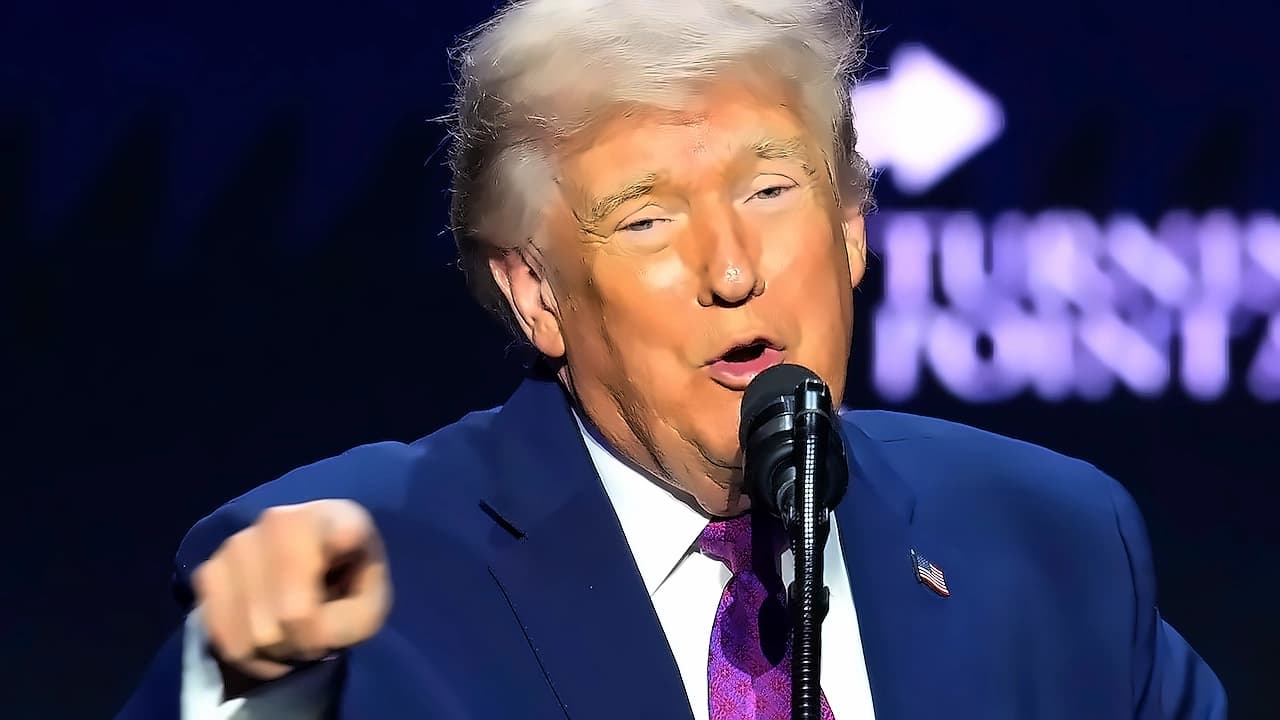
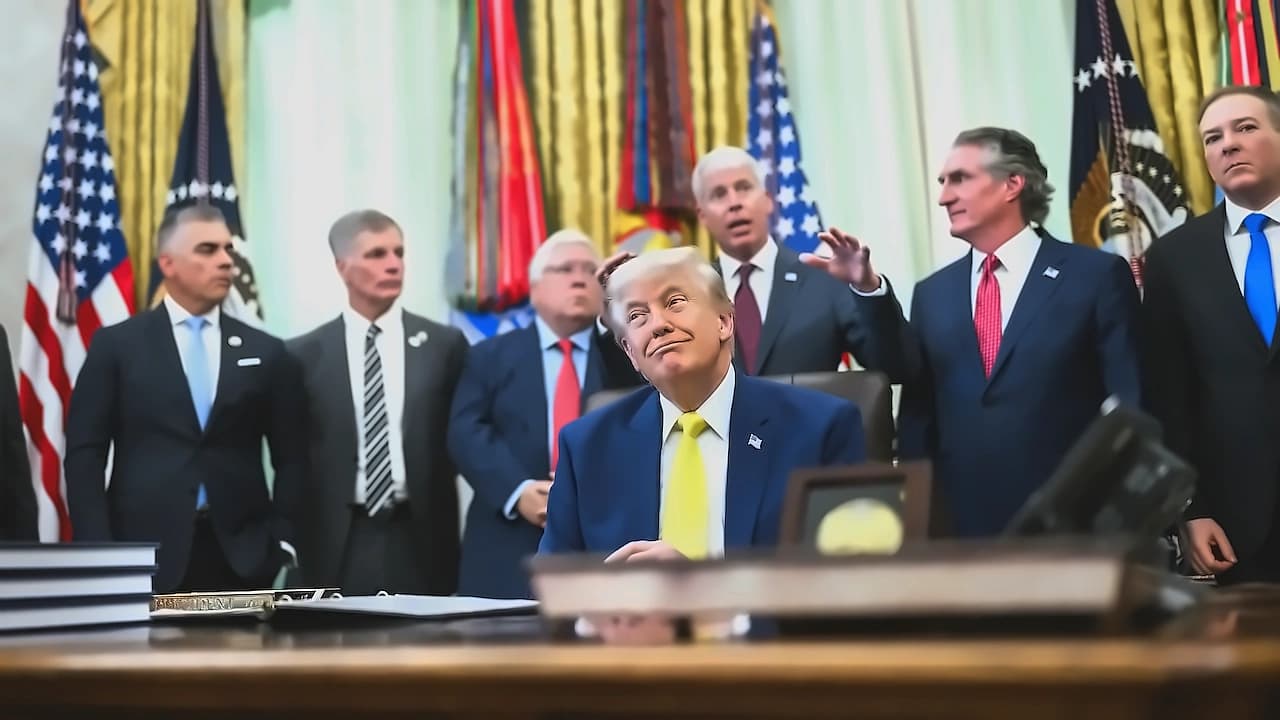
US President Donald Trump has urged Arab and Muslim leaders to normalise ties with Israel if a deal to end its ongoing war with Iran is reached. According to reports from Times of Israel, Trump raised the issue during a phone call on Saturday and later hinted online that Iran could also recognise Israel. However, the proposal was reportedly met with silence from regional leaders, as noted by Channel 12. The deal appears to offer US concessions up front for Iranian ones at some point in the future, marking a significant shift from Trump's demands two months ago for Iran's 'unconditional surrender'.
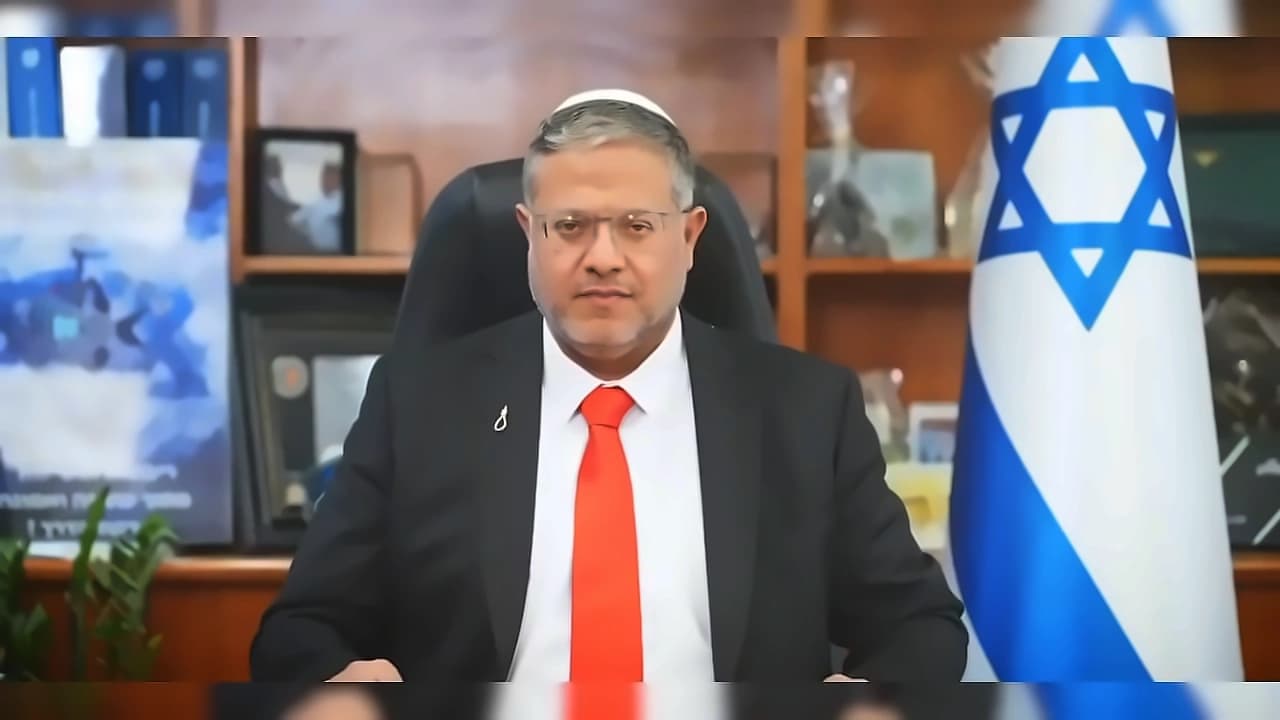
Israeli officials are expressing deep concerns about the proposed agreement, with government spokesmen insisting that Lebanon wasn't part of the deal - a surprising development given that Trump had claimed to have brokered a ceasefire. As reported by The Atlantic, Israeli officials warn that the deal would make Israel 'emerge more isolated than it has been at any time in its history' and 'not least from its only reliable protector, the United States'. Israeli government spokesmen have warned that 'As it seems, (the agreement) does not serve Israel's interest.' The proposed deal includes a 60-day ceasefire extension but fails to address Iran's nuclear programme, ballistic missiles, or its backing of proxy armed groups in the region.
Trump discussed the emerging Iran deal in a phone call with leaders from Saudi Arabia, United Arab Emirates, Qatar, Pakistan, Turkey, Egypt, Jordan and Bahrain. According to Times of Israel, Saudi Arabia, Qatar and Pakistan currently do not have diplomatic relations with Israel. In 2020, the UAE and Bahrain normalised ties with Israel under the Abraham Accords brokered by the US. The UAE and Bahrain are among the countries that currently maintain diplomatic relations with Israel. However, recent reports suggest that Pakistan and Qatar have emerged as significant players in the negotiations, with Pakistan being a nuclear-armed state that has swung around in regional dynamics.
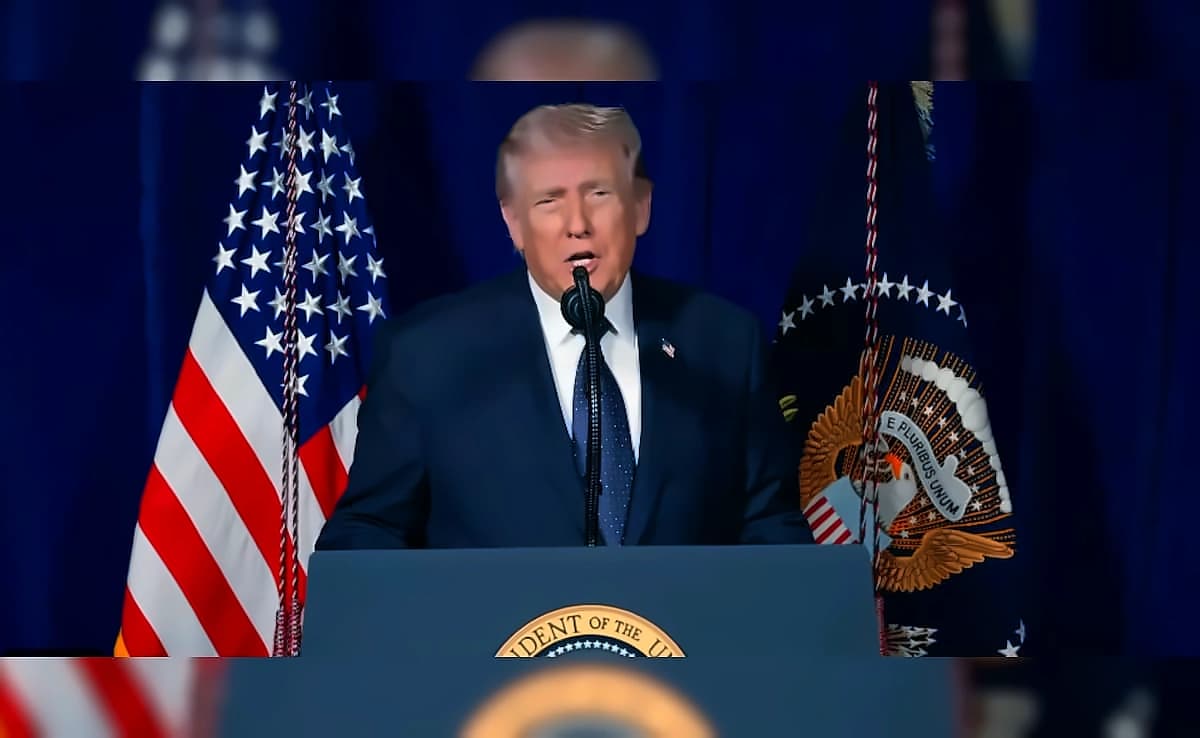
The deal appears to give Iran significant advantages, with the US claiming the agreement will return the Strait of Hormuz to 'normal' - a claim that Iran disputes. As reported by The Atlantic, Iran is 'enjoying the lifting of financial sanctions and unfrozen assets' under the deal terms. The agreement includes no mention of Iran having to abandon support for its proxies in Lebanon, Gaza and Iraq, nor any constraints on its ballistic missile program. Iran has made it clear that Lebanon must be part of the deal, with the country continuing attacks on Hezbollah in southern Lebanon in flagrant disregard of Trump's ceasefire claims.
The deal represents a fundamental shift in regional geopolitics, with analysts using terms like 'strategic fiasco', 'catastrophe' and 'a true American debacle' to describe the current situation. According to The Atlantic, 'Israel will emerge more isolated than it has been at any time in its history' and 'not least from its only reliable protector, the United States'. The agreement comes as the US and Iran have reportedly agreed in principle to a deal to reopen Hormuz, with the US claiming it will not be relaunching military strikes on Iran due to the high cost and unlikely breakthrough prospects. The most likely scenario appears to be no clear resolution to the Strait of Hormuz, Iran's nuclear capabilities, or conflicts in Gaza or Lebanon in the near future.