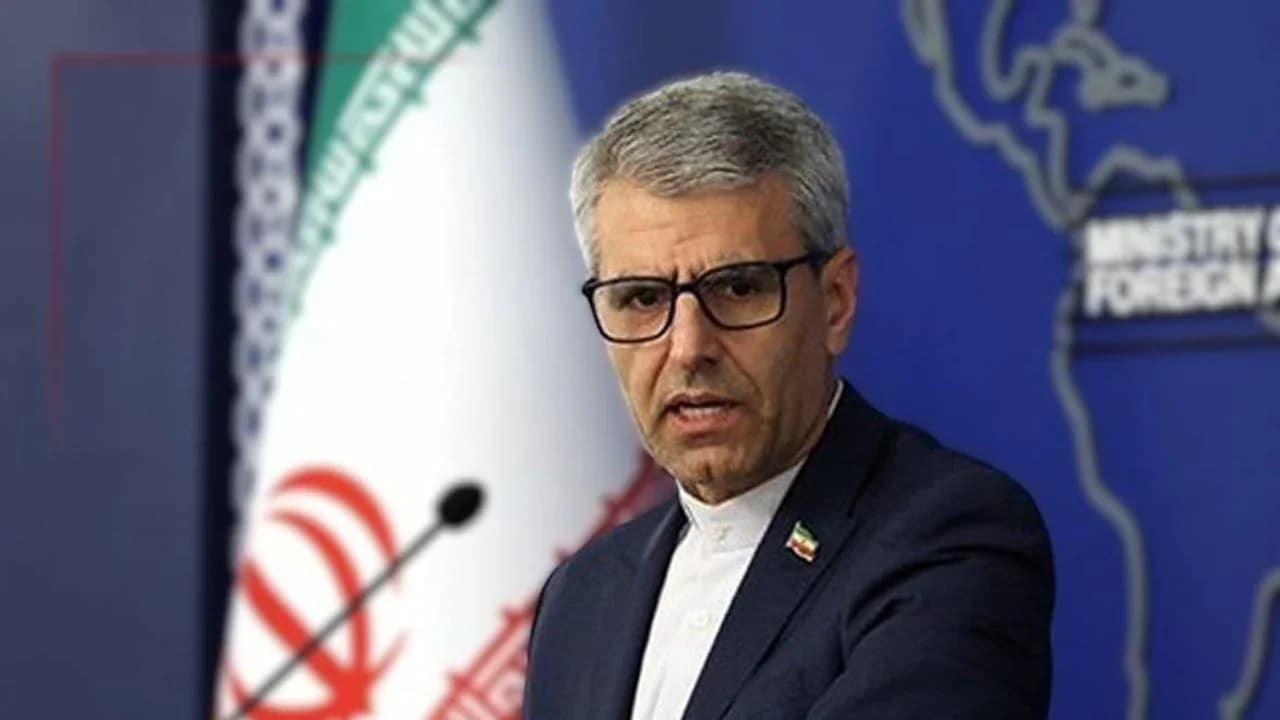
Iran has categorically refused International Atomic Energy Agency (IAEA) access to nuclear facilities damaged by US and Israeli strikes, with Foreign Ministry spokesman Esmaeil Bakai declaring on June 23 that the country has no meeting with the IAEA Director-General and no plans to permit an inspection concerning facilities damaged by military aggression. According to Radio Liberty, Bakai emphasized that "We have not had a meeting with the IAEA Director-General, and we have no plans for the agency to inspect Iran's nuclear facilities damaged by US and Zionist aggression." This firm stance comes as a 60-day US–Iran diplomatic process seeks to resolve nuclear issues and explore sanctions relief, potentially complicating ongoing negotiations.
The Iranian position specifically addresses facilities damaged in last year's strikes, with Bakai stating that there is no plan for access to the facilities that were attacked or to nuclear material. As reported by Radio Liberty, he clarified that these issues will be reviewed and decided only within the framework of a final agreement and as a result of practical action by the other side to end all sanctions and other measures. The Iranian official warned against advancing what he termed the 'stir up and take over' policy with media hype, maintaining Iran's position that nuclear-related issues are part of a comprehensive agreement rather than standalone diplomatic matters.
The Iranian position establishes clear conditionality for nuclear cooperation, with access to facilities and materials contingent upon broader diplomatic resolution. According to Radio Liberty, Iranian ambassador to the UN Ali Bahreini stated that a decision on the inspectors' return has not been made. This stance creates potential complications for US diplomatic efforts, as US Vice President J. D. Vance had expressed the view that Iran had agreed to allow IAEA inspectors to return, claiming this constitutes "the first step toward the final termination of Iran's nuclear weapons program" during a press conference in Switzerland. The IAEA has yet to respond to these claims, while the IAEA Board of Governors adopted a resolution in June 2026 calling on Iran to be transparent about enriched uranium stockpiles and provide full access to relevant facilities.

The dispute centers around Iran's estimated 440 kilograms of highly enriched uranium – roughly up to 60 percent enrichment – which in separate scenarios could be sufficient to create a nuclear weapon. As reported by CNN, IAEA chief Rafael Grossi states the agency cannot fully guarantee the peaceful nature of Iran's nuclear program, citing sizable uranium stocks and restricted inspections. The warning comes as Israel and the US escalate strikes on Iranian facilities, underscoring the urgent need for transparency and regional security. Meanwhile, CNN reports that Iran has reopened most underground missile tunnel entrances after a ceasefire, restoring access to 50 of 69 openings despite prior US and Israeli strikes aimed at blocking them.