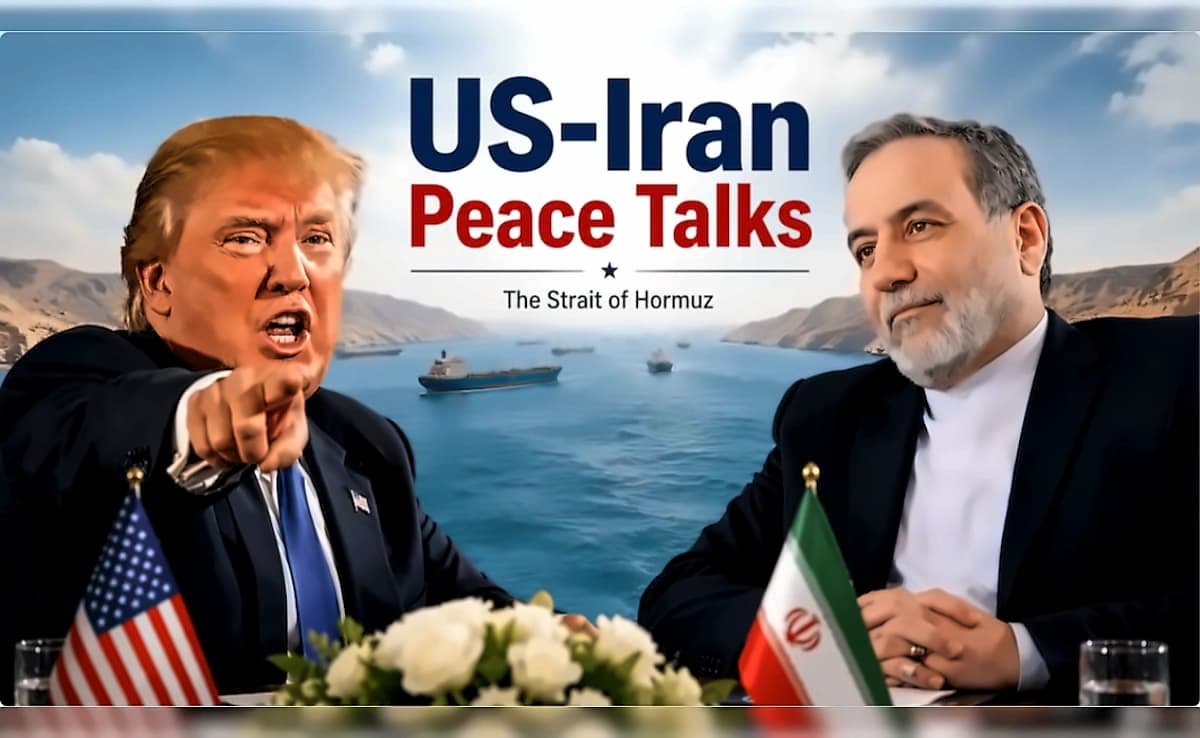
U.S. Secretary of State Marco Rubio announced on Tuesday that negotiating a deal with Iran could 'take a few days,' effectively quashing hopes for an imminent end to the conflict after U.S. forces conducted what Washington called defensive strikes in southern Iran. According to Rubio's statement, both sides had indicated progress on a deal that could halt the war and restart shipping through the blockaded Strait of Hormuz, but the extended timeline suggests the negotiations remain complex. The announcement comes as ceasefire negotiations between Washington and Tehran continue to limp forward, with the latest developments indicating the conflict may persist longer than initially anticipated.
Iran Supreme Leader Mojtaba Khamenei issued a sweeping defiant address on Tuesday, declaring that American military bases across the Middle East would no longer be tolerated in the region. According to reports from Rahbarenghelab, Khamenei's office stated plainly: 'The hand of time does not turn back, and the nations and lands of the region will no longer serve as shields for American bases. America will no longer have a safe haven for mischief and the establishment of military bases in the region.' The warning comes even as ceasefire negotiations between Washington and Tehran continue to limp forward, with the latest developments suggesting the military tensions remain unresolved despite diplomatic efforts.
Khamenei declared that 'Death to America and Death to Israel will be the common slogan of the Islamic Ummah and the oppressed of the world, especially the youth', calling on the Muslim world to use the Hajj season, already underway, as a moment of global disavowal of the United States and Israel. As reported by Rahbarenghelab, he urged Iranian pilgrims specifically to 'narrate the victory of the third imposed war to their fellow Muslim brothers and sisters', framing the conflict with the US as a triumph for the resistance. The remarks struck a maximalist tone throughout, with Khamenei crediting Iran's resilience after his father's assassination to divine intervention.
Mojtaba Khamenei, 56, was subsequently named Iran's third Supreme Leader after receiving a majority of votes from clerics, though he has not appeared publicly since the strikes that killed his father and reportedly left him wounded. According to reports, Khamenei credited Iran's resilience after his father's assassination to divine intervention, saying that 'following the heart-wrenching martyrdom of the great leader', the Iranian nation had found what he described as a 'divine resurrection'. His father, Ali Khamenei, was killed in a joint US-Israeli airstrike in Tehran on February 28 this year.
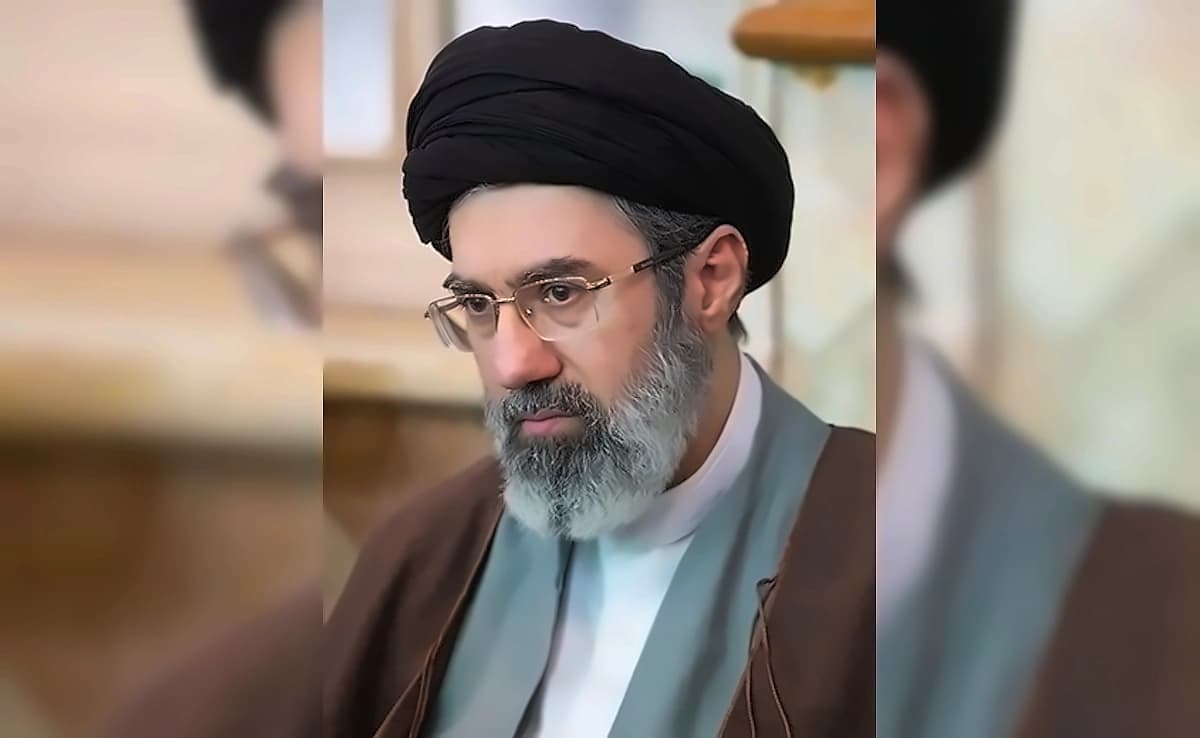
Khamenei called on all Islamic countries to unite toward what he described as the coming 'new Islamic civilization', and asked pilgrims to pray for 'the liberation of Palestine and Al-Aqsa Mosque' and 'ultimate victory against global arrogance' — a term Iran routinely uses to refer to the United States. As reported by Rahbarenghelab, he urged all Islamic countries and governments to work together in the path of Islamic Ummah progress and solving Islamic world issues. The statements were issued in a series of posts on X translated from Persian.