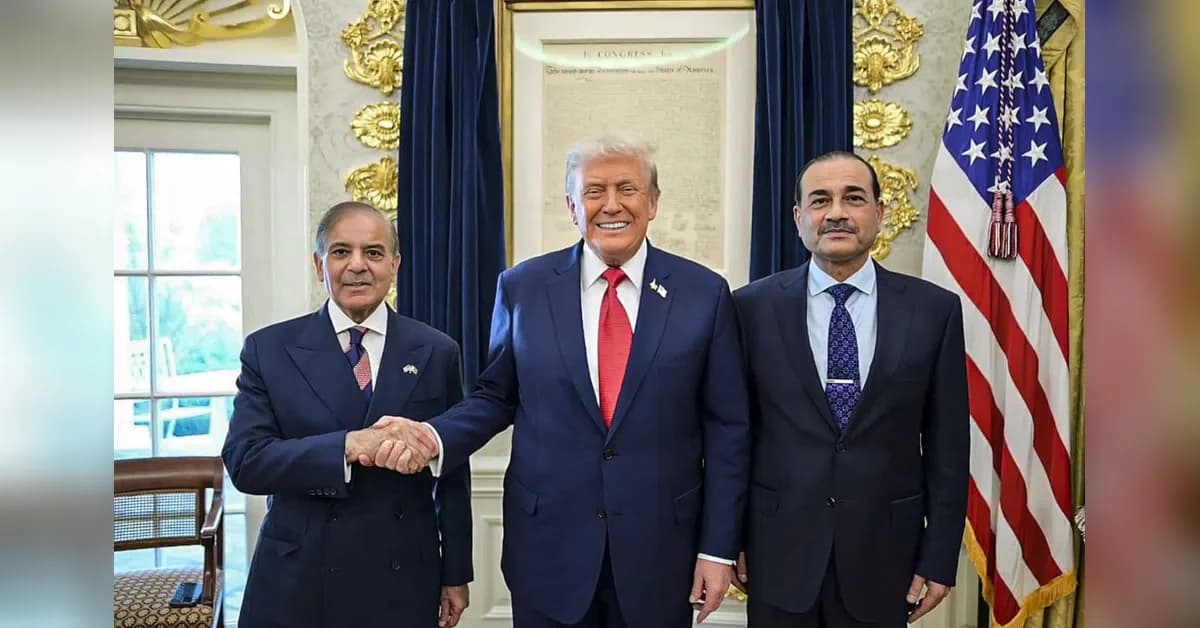
The United States and Iran appear close to finalizing a comprehensive deal to end their 12-day conflict and reopen the Strait of Hormuz. According to Associated Press, Pakistani Prime Minister Shehbaz Sharif stated Saturday that a deal aimed at ending the Middle East war is 'closer than ever before' and expected to be finalized within 24 hours. The deal would include phased lifting of sanctions on Iran and the release of frozen Iranian assets, as confirmed by three regional officials who spoke anonymously due to the sensitivity of negotiations. U.S. President Donald Trump said the deal was 'scheduled to get signed tomorrow' and that the Strait of Hormuz would open immediately, though Iran's foreign ministry spokesperson indicated no signing would occur Sunday.
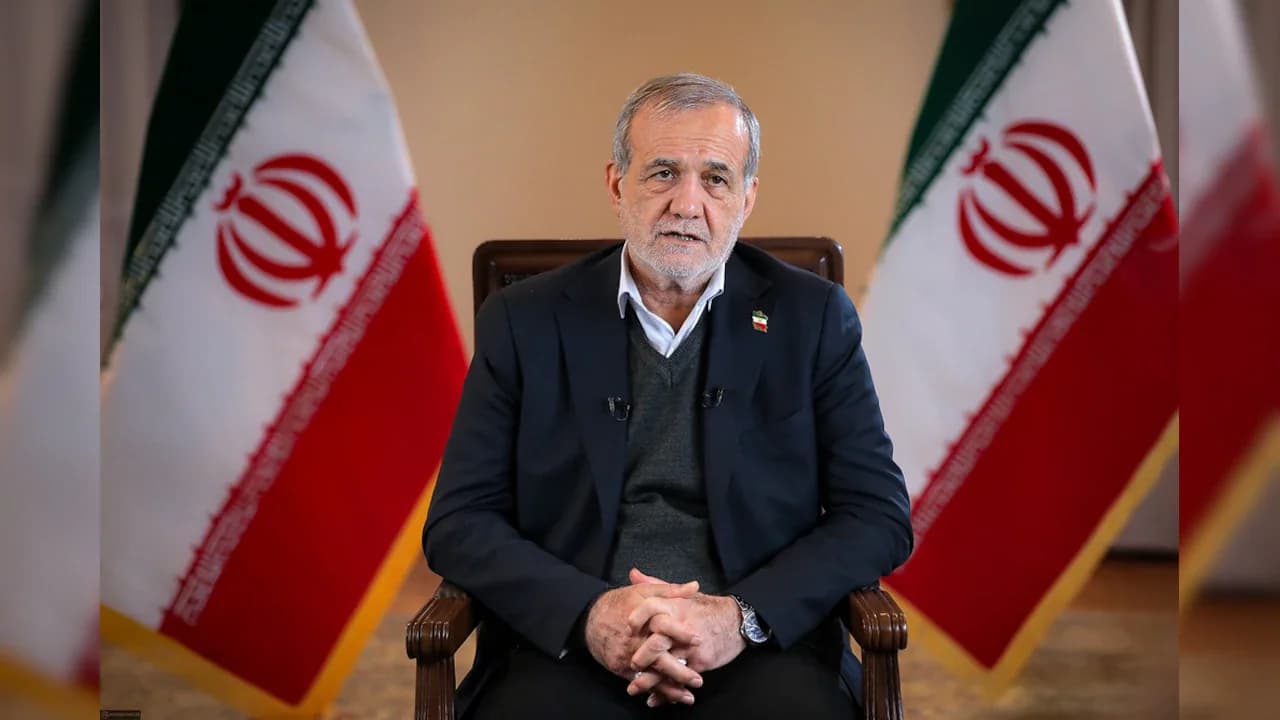
Iranian President Masoud Pezeshkian marked the first anniversary of the 12-day conflict with Israel on Saturday, paying tribute to those killed during the war and emphasizing the 'symbol of national solidarity' that the conflict represented. According to Iran's state news agency IRNA, Pezeshkian stated that the resistance shown by the Iranian people, along with the leadership of the late Supreme Leader, Ayatollah Seyed Ali Khamenei, and the preparedness of Iran's Armed Forces, prevented Israel's goals of weakening the Iranian nation and destabilizing the Islamic Republic. The president described the conflict as a 'symbol of national solidarity' that brought Iranians from different political backgrounds together in defense of the country.

A senior U.S. administration official briefed reporters on Friday that the emerging agreement would begin the process of destroying or removing Tehran's highly enriched uranium. The official said the 60-day period after both sides sign the deal would be used to work out technical details for removing the uranium, though the official did not specify who would take charge of this process. The official noted that the uranium is believed to be entombed under three nuclear sites battered by U.S. strikes last year. Iranian Foreign Minister Abbas Araghchi said Friday that the terms of dealing with Iran's nuclear program would be finalized in the 60 days after the initial agreement is signed, with parties able to decide to extend that period.
The agreement includes provisions for reopening the Strait of Hormuz, a vital shipping lane for oil and natural gas that has been disrupted since the war began. Iran wants a deal that allows Tehran to charge ships 'for services rendered' when they transit the strait, as Araghchi stated Friday. Iran imposed a toll system during the war, which the U.S. and other nations have said violates international law. Three regional officials confirmed that the emerging deal would include the phased lifting of sanctions on Iran and the release of frozen Iranian assets. The war launched by the U.S. and Israel on February 28 has rattled the region and virtually shut down oil and natural gas shipments from the Persian Gulf, driving up fuel prices and making food and other basics like fertilizer more expensive well beyond the region.
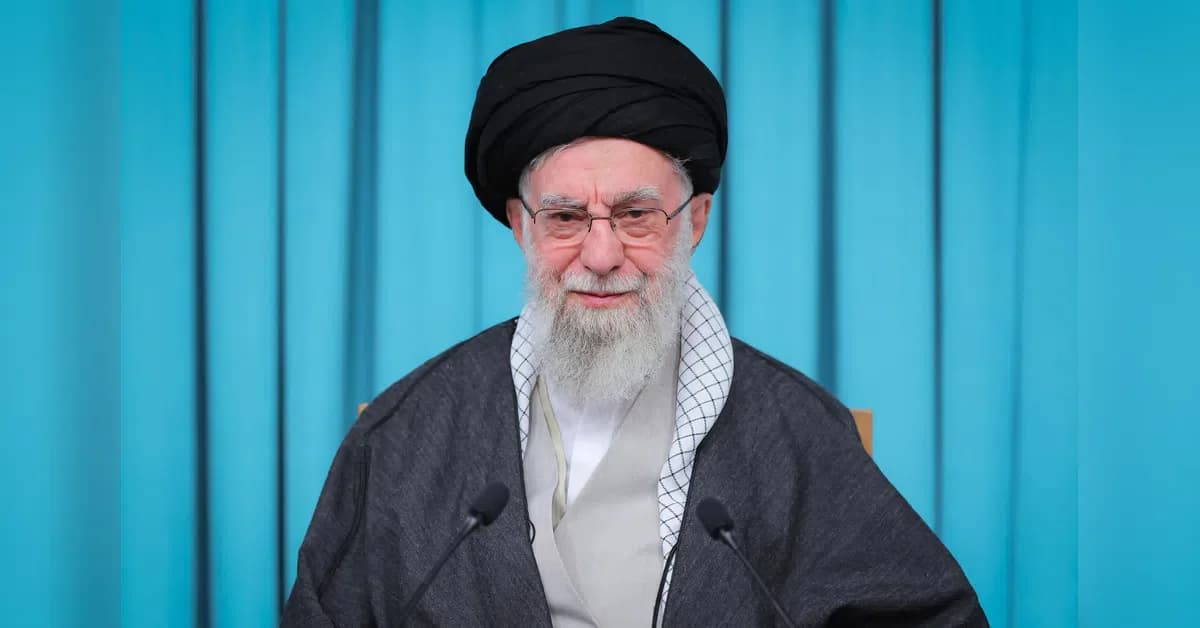
As reported by IRNA, Pezeshkian referenced guidance from Supreme Leader Ayatollah Seyyed Mojtaba Hosseini Khamenei regarding essential strategies for overcoming future challenges. The president emphasized that 'preserving national cohesion, enhancing defensive capabilities and maintaining public vigilance are essential for overcoming future challenges'. He expressed confidence that Iran would continue progressing by relying on 'social solidarity, the talents of its younger generations and hope for a brighter future'. This strategic outlook reflects Iran's focus on maintaining internal unity while preparing for potential future conflicts.
Despite the anniversary commemoration and potential deal progress, Iran faces domestic political unrest as dozens of people staged demonstrations outside foreign ministry offices in Mashhad and Tehran, shouting slogans against top diplomat Abbas Araghchi. The protests followed a televised interview where Araghchi discussed a potential peace agreement with the United States, including provisions for dismantling the US naval blockade on Iranian ports. Unverified footage showed protesters demanding political exits and chanting 'Araghchi, resign' and 'Ghalibaf, resign', directed at the foreign minister and parliament speaker Mohammad Bagher Ghalibaf. The demonstrations highlight the delicate balance between Iran's military victories and domestic political pressures.