
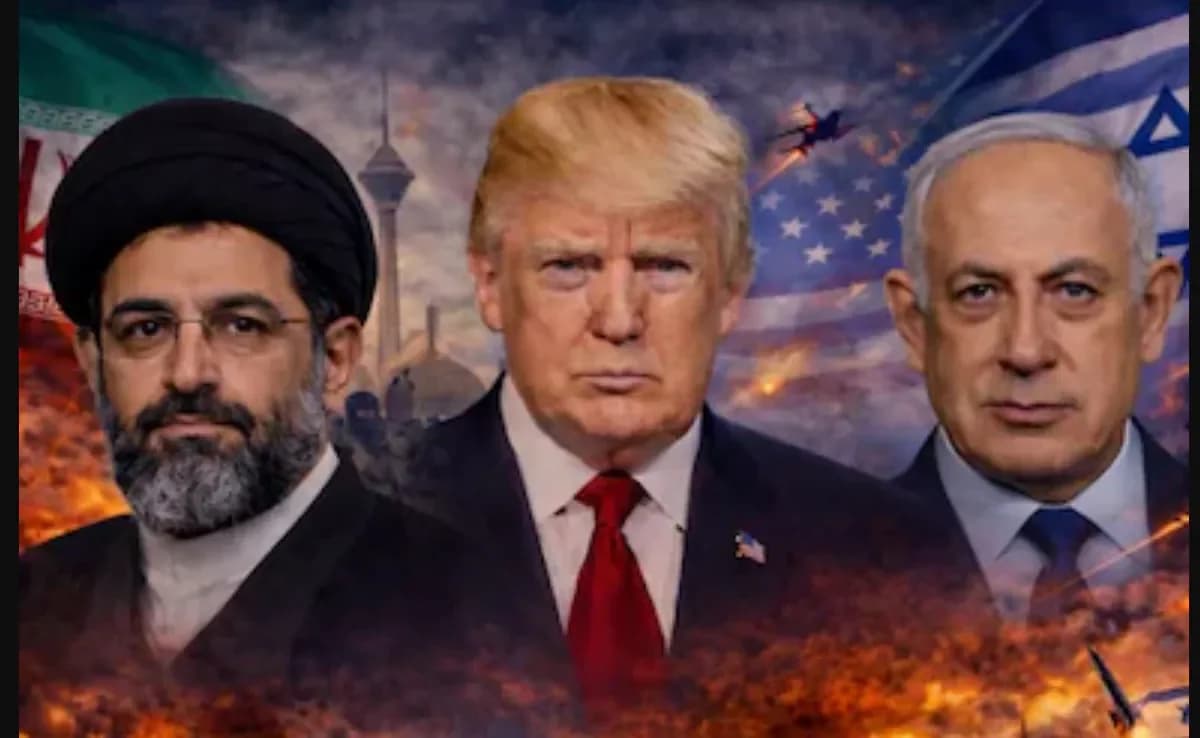
Iran's Islamic Revolutionary Guard Corps has claimed to have 'downed' a US Reaper drone that entered Iranian airspace, marking a significant escalation in regional tensions. According to latest reports, US forces subsequently attacked missile launch sites and mine-laying vessels in southern Iran, which a US military spokesman described as 'self-defence' strikes. The incident occurred as Iranian media reported explosions in the southern port city of Bandar Abbas, highlighting the escalating military confrontation during ongoing peace negotiations.
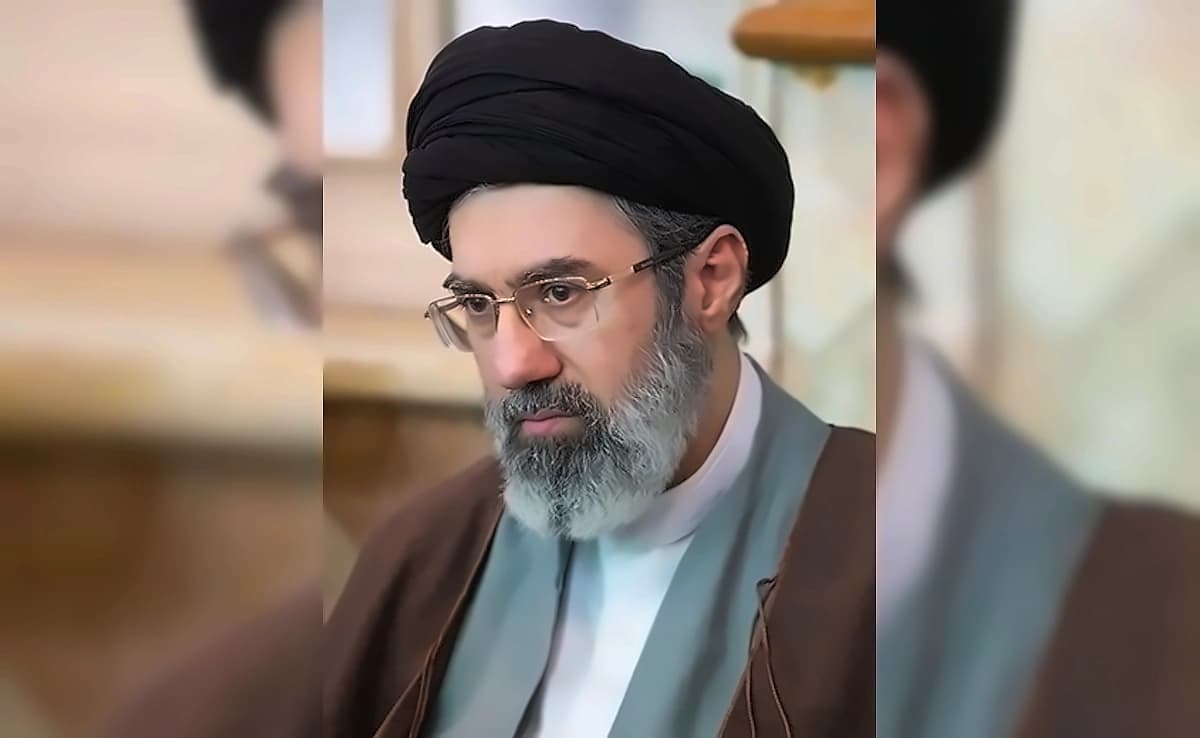
Iran's Supreme Leader Mojtaba Khamenei issued a stark warning on Tuesday that the Gulf region would no longer serve as a shield for American military bases. According to reports from Al Jazeera, Khamenei made the statement while delivering remarks during the Hajj pilgrimage, stating that 'The hand of time does not turn back, and the nations and lands of the region will no longer serve as shields for American bases'. He emphasized that 'America will no longer have a safe haven for mischief and the establishment of military bases in the region', marking a significant escalation in regional tensions.
The warning comes as the US maintains a substantial military presence across the Gulf region. As reported by Al Jazeera, citing the Council on Foreign Relations, the US operates a broad network of military sites, both permanent and temporary, across at least 19 locations in the region. These facilities span multiple countries including Bahrain, Kuwait, Iraq, the UAE and Qatar, representing a significant military footprint in the strategic area.
Khamenei's remarks also addressed broader regional dynamics and future arrangements. According to Al Jazeera, he urged Hajj pilgrims for unity and called for prayers for 'the liberation of Palestine and Al-Aqsa Mosque, the alleviation of the great hardships afflicting Muslims, and the attainment of ultimate victory against global arrogance'. Noting that 'Islamic countries and nations of the region possess numerous shared capacities and interests', he indicated that these nations would 'shape the new order and the future geometry of the region and the world'.
US Secretary of State Marco Rubio responded sharply to the situation, calling for unrestricted maritime passage in the Strait of Hormuz. As reported by Al Jazeera, Rubio stated that 'The strait needs to be open without tolls' and criticized the current situation as 'unlawful, illegal, unsustainable and unacceptable'. He emphasized that 'no country in the world is accepting of a tolling system except Iran', highlighting the ongoing tensions over regional maritime access.