US President Donald Trump on Sunday urged Senate Republicans to fold Iran into the bipartisan Russia sanctions package authored by the late Sen. Lindsey Graham, linking the push to Graham's legacy as the U.S. military struck Iranian targets for an eighth straight night. 'Republicans should add Iran to the Russian Sanctions Bill,' Trump posted on Truth Social, adding 'That's what Lindsey wanted to do, and it was going to happen. IMPORTANT!!!' The proposal comes as the U.S. military continues retaliatory strikes against Iran following Friday's attack on Muwaffaq Salti Air Base in Jordan, which killed two U.S. service members and left a third missing. Trump first floated the Iran addition at a Tuesday White House press availability, telling reporters lawmakers 'would like to add Iran, and they would like to add Hezbollah,' according to Time. Senate aides indicated that Iran likely would be caught up in the bill's existing provisions targeting Russia's defense partners regardless of specific additions.
The bipartisan Sanctioning Russia Act of 2025, introduced in April 2025, would impose sweeping secondary tariffs of up to 500% on countries that buy Russian oil, gas, uranium, and other products. The current top oil purchasers from Russia are China, India, Slovakia, Hungary and Azerbaijan. However, recent developments suggest the bill may expand to include a 500% tariff on goods from countries that buy Russian energy, which would make many products far more expensive if it ever takes full effect. The revised bill is different from its earlier version, allowing tariffs of up to 100% on the five biggest buyers of Russian crude oil and natural gas, while also targeting the 'shadow fleet' of tankers that transport sanctioned Russian oil and the STOP Russia-China Act focusing on China's support for Russia's defence industry. The bill includes exemptions for countries whose Russian natural gas imports account for less than 15% of Russia's total gas exports, widely seen as protecting allies such as France and Japan.
Democrats are not keen to add Iran to the current bill, which was negotiated for over two years. Democratic Senator Richard Blumenthal, a co-author of the legislation, has publicly resisted reopening the text, arguing 'With all due respect to the president, he has approved this bill, and we should move forward with this bill rather than opening it, in my view, to other potential targets.' Blumenthal emphasized that 'this bill has been negotiated over almost two years, painstakingly, sometimes painfully, at great length.' The addition of Iran could make the bill harder to pass because some senators may prefer a narrower plan, as the expansion would turn one sanctions fight into a wider economic threat affecting oil, trade, diplomacy, and the cost of everyday goods in many countries. Democrats have separately raised concerns about provisions granting the president expansive tariff authorities, an issue that overlapped with a since-resolved Supreme Court dispute over executive tariff powers.
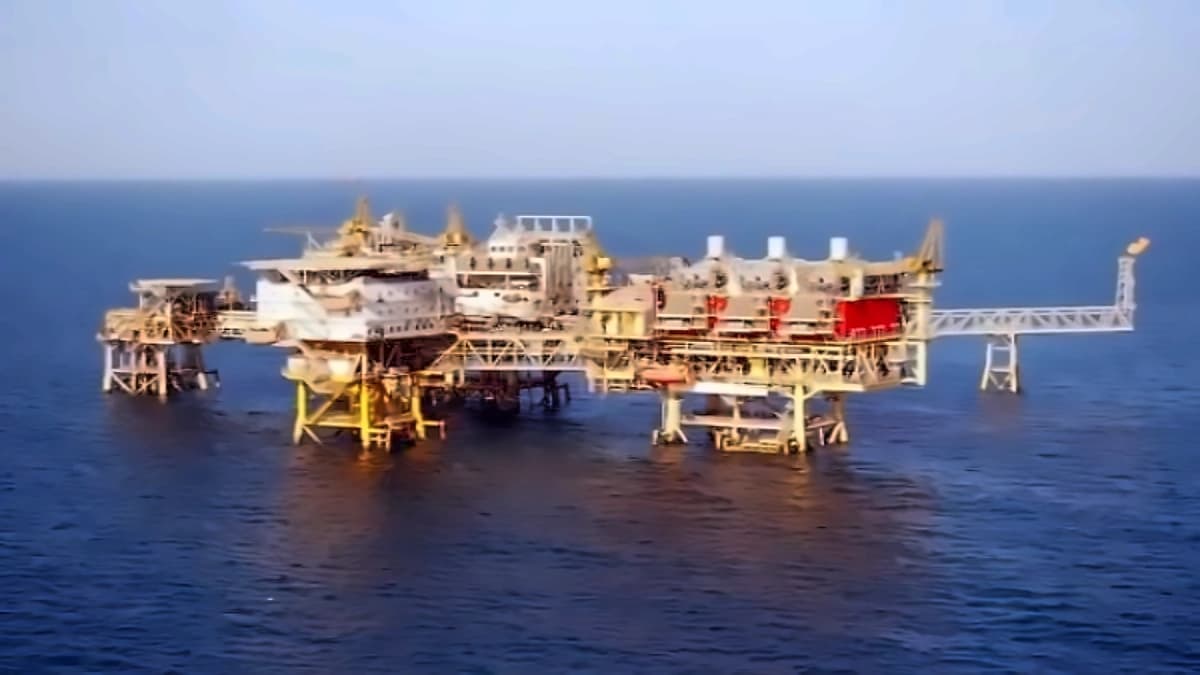
Russia continues to account for a significant share of India's crude imports, with supplies from Saudi Arabia and the United Arab Emirates routed through bypass infrastructure providing additional supply security. India's crude oil imports rose to a record 4.93 million barrels per day (bpd) in June, driven by a sharp increase in purchases from Russia as refiners sought to bolster supplies amid disruptions around the Strait of Hormuz. Russian crude imports climbed to about 2.7 million bpd, accounting for more than half of India's total crude imports during the month, cementing Russia's position as the country's largest oil supplier by a wide margin. India's purchases of Russian oil increased sharply after Russia invaded Ukraine in 2022, with Russian oil making up less than 1% of India's crude imports before the war, but rising to around 40-47% by early and mid-2026. If the Russia sanctions bill expands, Indian exports to the US could face tariffs of up to 100%, adding to the 25% tariff Trump imposed in 2025 over India's purchases of Russian oil and defence equipment, along with another additional 25% penalty announced later.
The push to fold Iran into the Russia package comes as Trump has also signaled stronger support for Ukraine amid Putin's continued refusal to end the war. The Sunday post was Trump's first public statement since the Pentagon confirmed that two U.S. service members were killed and a third remained missing after Iranian ballistic missiles and drones struck Muwaffaq Salti Air Base in Jordan on Friday. Four other service members were medically evacuated and later discharged, U.S. Central Command said. CENTCOM said Saturday's retaliatory strikes were designed to further degrade Iran's ability to threaten commercial shipping in the Strait of Hormuz and to 'punish' Islamic Revolutionary Guard Corps units that launched the Jordan attack. The bill's waiver provision could still offer India some relief if the US president decides that exempting India is in America's national interest, although there is no guarantee that this will happen. Adding Iran to the legislation would also link the bill to the growing military tensions between the US and Iran, with potential disruption to shipping through the Strait of Hormuz, one of the world's busiest oil routes.