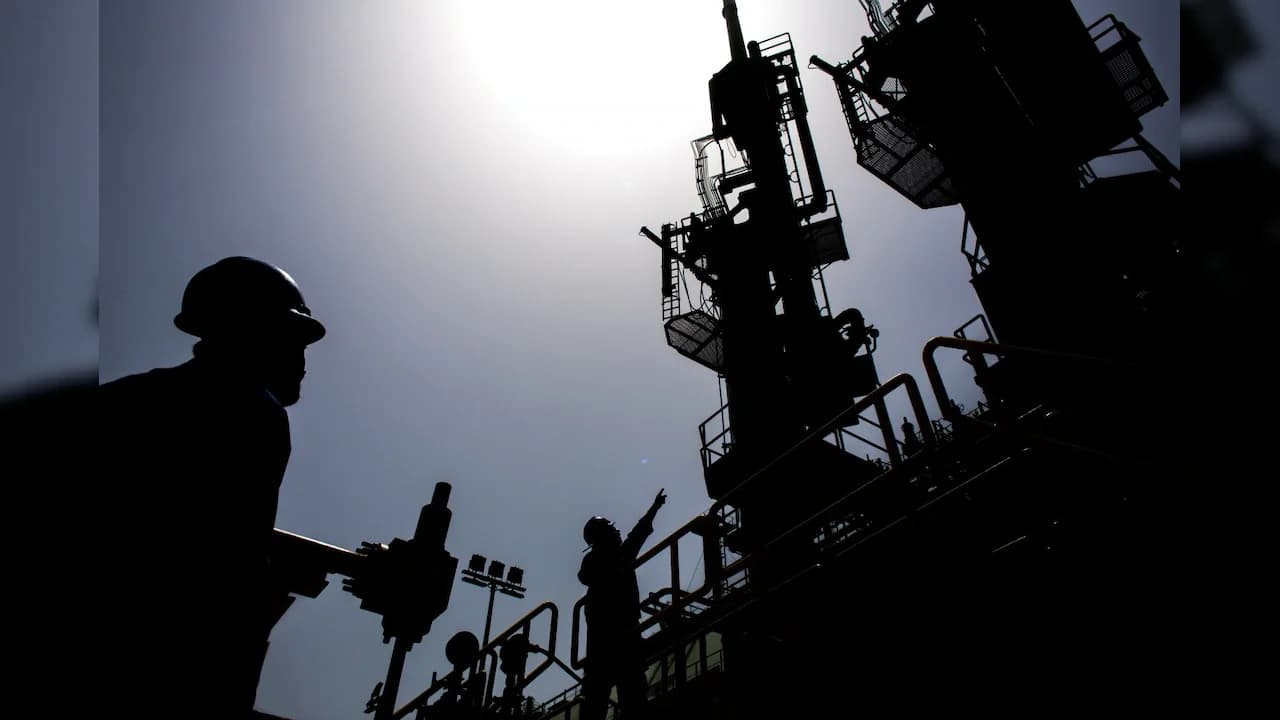
Iran's Central Bank Governor Abdolnaser Hemmati has declared that Iran has sufficient foreign currency reserves despite ongoing US sanctions. According to the Business Standard, Hemmati stated "I am telling the President of the United States: Iran has (foreign) currency and it has enough" during a Tuesday announcement. The central bank governor revealed that the central bank was ready to inject up to $2 billion into the foreign exchange market to calm recent volatility, as reported by the semi-official Tasnim news agency. Hemmati emphasized that "I tell the people with complete honesty that economic conditions and livelihood management have become difficult, but collapse has never happened and will never happen" - describing such claims as psychological warfare. His comments appear specifically aimed at reassuring markets after Iranian officials, including President Masoud Pezeshkian, pointed to growing difficulties for an economy facing US sanctions and naval blockade.
Iran's economy continues to face severe pressure as US sanctions tighten their grip. According to reports from Reuters, President Masoud Pezeshkian revealed that foreign trade has dropped by nearly 35% due to US sanctions and a naval blockade of Iranian ports. The economic strain has become so acute that annual inflation hit 66% last month, as reported by Reuters. Iran's currency has plunged to a record low in August, crossing the psychological threshold of 2 million rials to the U.S. dollar. Hemmati acknowledged that "Iran's currency plunged to a record low in August, crossing the psychological threshold of 2 million rials to the U.S. dollar, while annual inflation reached 66% in July" while maintaining that collapse has never occurred and will never happen. The central bank governor noted that Iran continues to collect foreign currency receivables and has domestic reserves as well as other resources, though specific details cannot be disclosed.
Iranian leaders have acknowledged the mounting economic pressure but have made clear their resolve to continue pursuing both diplomatic and defense strategies. As reported by Reuters, Supreme Leader Ayatollah Mojtaba Khamenei, who was injured and has not been seen publicly since the February 28 attack that killed his father, former Supreme Leader Ali Khamenei, called on the government to tackle the economic hardship. "There is the need to seriously address the chain of economic and livelihood challenges, such as inflation, unemployment, management of prices and the market for goods and services," said a written statement attributed to Khamenei. The Iranian government has prioritized tackling the economic fallout from sanctions and the war, with plans including bringing down inflation, stabilizing markets, creating jobs, boosting domestic production and reducing the country's reliance on the US dollar. Parliament Speaker Mohammad Bagher Ghalibaf has been even more explicit about the importance of the economy, warning that military strength alone cannot sustain a country if its people are hungry and economic activity collapses.
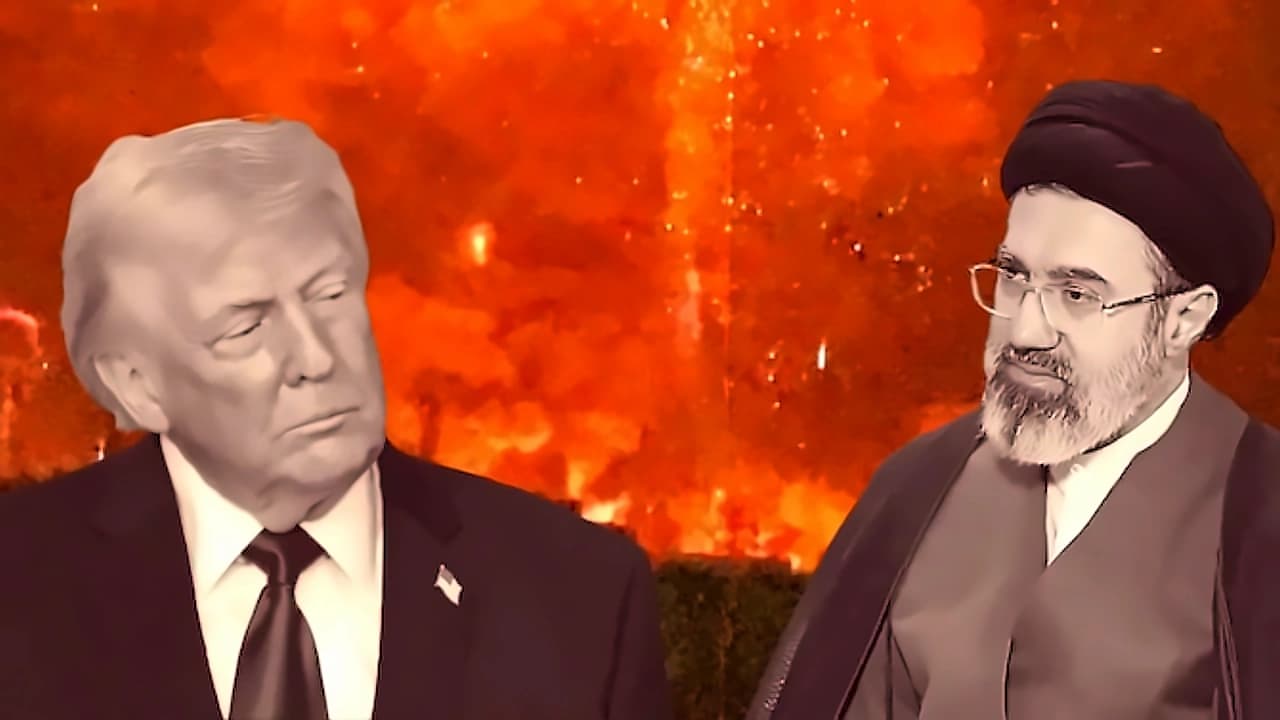
The US has significantly expanded its sanctions campaign against Iranian entities and their international partners. According to Reuters, the US has warned countries doing business with Iran that they could face secondary sanctions, though it has so far avoided targeting major trading partners such as China and India. The US Treasury has sanctioned Egypt's Banque Misr over its dealings with Iran and proposed restricting its UAE branches from accessing dollar transactions. Additionally, Washington has sanctioned a Hong Kong-based entity and an individual linked to Iran's Bank Melli, as reported by the Treasury. US Treasury Secretary Scott Bessent has warned that those doing business with Iran could face US sanctions, stating that Iran was "lashing out kinetically because they are losing economically" and taking US sanctions seriously. Banks are becoming increasingly reluctant to process Iranian-related transactions, and Washington is now threatening third-country businesses with consequences if they continue providing Tehran with economic lifelines.
The economic pressure is compounded by disruptions to global energy trade through the strategically crucial Strait of Hormuz. Preliminary shipping data reported by Reuters showed that only seven commodity vessels crossed the strait on Thursday, compared with 17 a day earlier and a 10-day average of 15. The waterway is crucial to global energy markets, with around 20% of the world's oil and LNG trade passing through the strait before the current conflict. Qatari Prime Minister Sheikh Mohammed bin Abdulrahman Al Thani visited Tehran on Thursday for talks on restoring open shipping through the strait, with Iranian Foreign Minister Abbas Araqchi describing the discussions as 'creative'. US President Donald Trump has repeatedly said Hormuz is open, but Iran's Revolutionary Guards reject that description, essentially arguing that ships cannot simply return to the pre-war system of unrestricted commercial passage. Iran wants a role in determining the conditions under which vessels move, making this dispute central to the conflict.
The economic pressure extends far beyond Iran's borders, with Australia having a direct economic interest in the outcome of this confrontation occurring thousands of kilometres away. Higher fuel costs feed freight, which feeds supermarket prices, and mining uses enormous quantities of fuel. Construction machinery requires diesel, and businesses pay delivery charges, with energy costs eventually finding their way into inflation. Iran's domestic petrol demand has been running about 15 million litres a day above available supply, according to reporting on the country's worsening fuel shortage. The conflict can increasingly be understood as a contest between two forms of economic leverage - America attempting to make Iran's economy progressively smaller and more isolated, while Iran demonstrates that economic pain cannot be imposed without imposing costs upon the rest of the world. There are several indicators worth watching now, including whether Iran's foreign trade continues falling, if it can restore meaningful oil exports, and whether secondary sanctions begin deterring Chinese and Indian businesses. The question becomes whether Iran ultimately uses Hormuz as a bargaining chip to obtain a settlement or continues using it as a weapon, with diplomatic efforts ongoing through Qatar, Oman, and other regional players.