US President Donald Trump escalated his military threats against Iran on Wednesday, announcing potential action against the country's critical civilian infrastructure. Speaking after announcing that the US was preparing for a second night of strikes against Iran following Iranian attacks on American military sites in the Gulf, Trump said 'We may take out Iran's electric plants and desalinisation plants.' The latest threats come as Qatar is likely to resume mediation efforts as both sides return to the negotiating table, with the memorandum that led to the ceasefire leaving several important issues open to interpretation. Tuesday's strikes included attacks on Kharg Island but not its oil facilities, according to Trump's latest statements. These latest threats come as Qatar is likely to resume mediation efforts as both sides return to the negotiating table, with the memorandum that led to the ceasefire leaving several important issues open to interpretation.
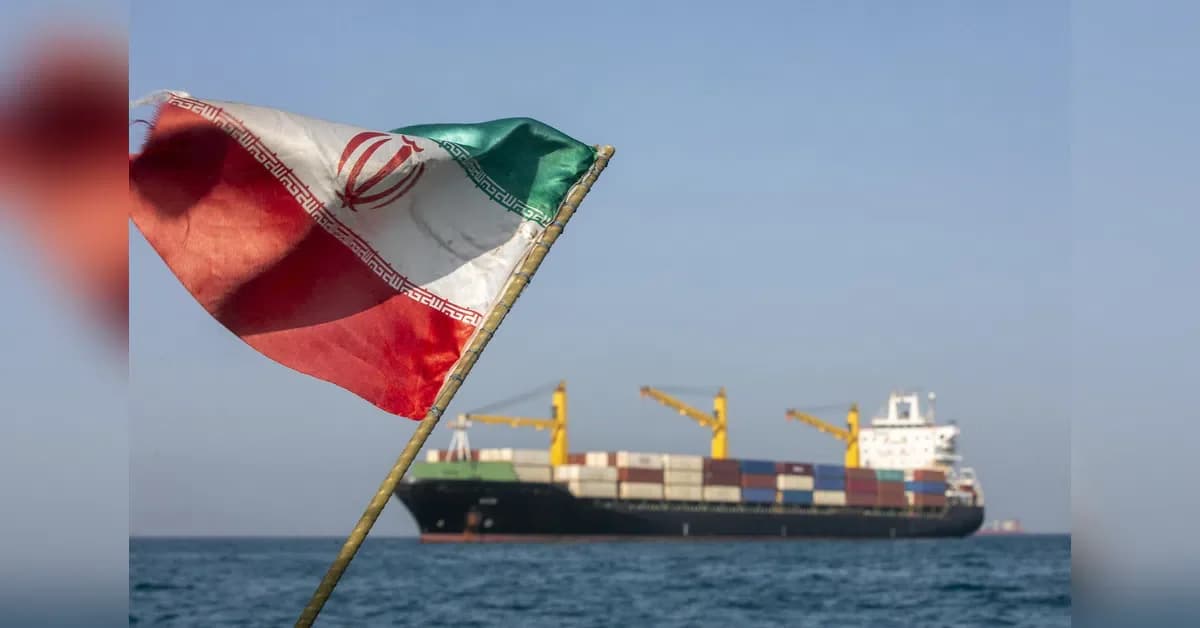
US President Donald Trump announced that the US will 'probably' launch another strike on Iran later tonight, marking a significant escalation in tensions despite ongoing diplomatic efforts. Speaking on the sidelines of the NATO summit, Trump said the action is 'not about regime change. It's about nuclear weapons' and blamed Iran's position on the nuclear issue for the breakdown in talks. The latest threat comes as Qatar is likely to resume mediation efforts as both sides return to the negotiating table, with the memorandum that led to the ceasefire leaving several important issues open to interpretation. The memorandum that led to the ceasefire left several important issues open to interpretation, allowing both sides to push their respective positions, with disputes over Lebanon, the Strait of Hormuz and sanctions on Iranian oil always likely to create friction.
Islamabad is expected to host the next round of US-Iran technical talks on July 11, with negotiators focusing on Iran's nuclear programme, sanctions relief, regional security and maritime stability in the Strait of Hormuz. According to Dawn reports, 'There are two possible venues for the technical talks — Islamabad and the Burgenstock resort in Switzerland. Islamabad, however, is the more likely option,' said one diplomatic source. The upcoming negotiations are expected to focus on Iran's nuclear programme, possible sanctions relief and the release of Iranian assets frozen overseas. The talks were delayed due to the state funeral ceremonies for Iran's late Supreme Leader Ayatollah Ali Khamenei, with Iranian officials saying the composition of Tehran's delegation will be announced after the ceremonies conclude.
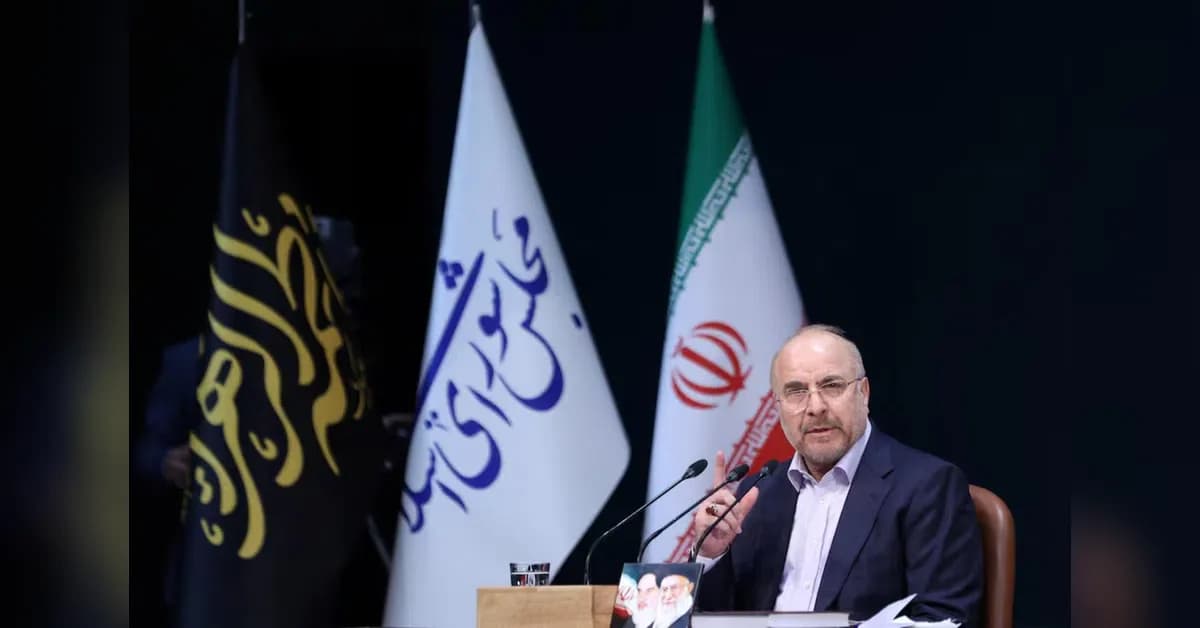
On July 2, 2026, Iran's parliament speaker and chief nuclear negotiator Mohammad Bagher Ghalibaf made a rare admission, publicly confirming that U.S. and Israeli strikes had caused damage to Iran's nuclear facilities. Speaking before the Iranian parliament, Ghalibaf stated unequivocally, 'We ourselves passed a law in parliament; the Supreme National Security Council also has a resolution. Under this law, absolutely no access is given to sites that have been bombed and damaged.' His remarks, reported by Iran's state media and echoed by outlets such as Mehr News Agency and IRNA, marked a significant shift from previous Iranian messaging, which had insisted that the nuclear program remained untouched. Ghalibaf emphasized that 'Iran will offer no concessions beyond what the Supreme National Security Council has authorized,' signaling a firm line against further international scrutiny.
Trump made several claims about Iran's economic condition during a CNBC interview, as reported by Al Jazeera. He stated that 'They have 300 per cent inflation, they're making no money,' describing Iran's economy as severely weakened. The US President also claimed that Iran had conceded to nearly all American conditions in ongoing diplomatic talks, emphasizing that the primary objective remained preventing Tehran from obtaining nuclear weapons. Trump added that the US hoped to eventually export food commodities to Iran, stating 'They need food. They need corn, wheat, and soybeans, and we're going to have exclusively our American farmers provide that.' Speaking to CNBC, Trump insisted that the confrontation was 'not a war in itself' but an effort to prevent Iran from acquiring nuclear weapons, claiming 'Tehran had almost agreed to all U.S. demands' and describing current Iranian leadership as 'more rational' than in previous periods. At the NATO summit, Trump also reiterated that the United States would not allow Iran to develop a nuclear weapon, while sharply criticising the country's leadership.
The potential food purchases are tied to the release of as much as $12 billion in frozen Iranian cash under the US-Iran deal. Clause 11 of the agreement states that 'The United States of America undertakes to make fully available for use the frozen or restricted funds and assets of the Islamic Republic of Iran.' Some of the money is sitting in US accounts, frozen by sanctions, while other assets are held by third countries such as Qatar. Top Iranian officials including President Masoud Pezeshkian say they expect an initial $6 billion to be released through Qatar. The fate of these funds was one of the main sticking points in the US-Iran negotiations, along with control of the Strait of Hormuz and the situation in Lebanon.
According to Eurasia Group's analysis, oil prices are unlikely to spike sharply even if fighting continues intermittently, citing an oversupplied global oil market with Saudi Arabia and other producers ramping up output. 'I would see oil prices rising a little bit, but not very much,' said Pramit Pal Chaudhuri, adding that neither side appears to want a full-scale conflict. The analyst expects financial markets to take a longer-term view of the latest flare-up rather than treat it as a full breakdown of the ceasefire. The United States remains unwilling to use military force to guarantee free passage through the Strait of Hormuz, while Iran is likely to continue expanding its regional influence. At the same time, he does not expect any significant change in Israel's stance on Lebanon, suggesting that intermittent flare-ups are likely even as diplomatic efforts continue.
Iran is preparing for Ali Khamenei's six-day funeral procession scheduled to begin Monday from Imam Hossein Square to Azadi Square, coinciding with the Muharram period when Shia Muslims commemorate the martyrdom of Husayn ibn Ali. The funeral organizers have strategically placed posters proclaiming 'a bright future for Iran' to address potential backlash from the economic suffering of millions of Iranians. Khamenei's absence, combined with the physical injuries of his son Mojtaba, is putting Iran's flexible yet secretive political system under significant strain. In one of his last speeches on February 17, Khamenei referenced the Shia symbol of defiance, stating 'Someone like me does not pledge allegiance to someone like Yazid. A nation with the culture of Iran does not pledge allegiance to corrupt leaders like those in America.'