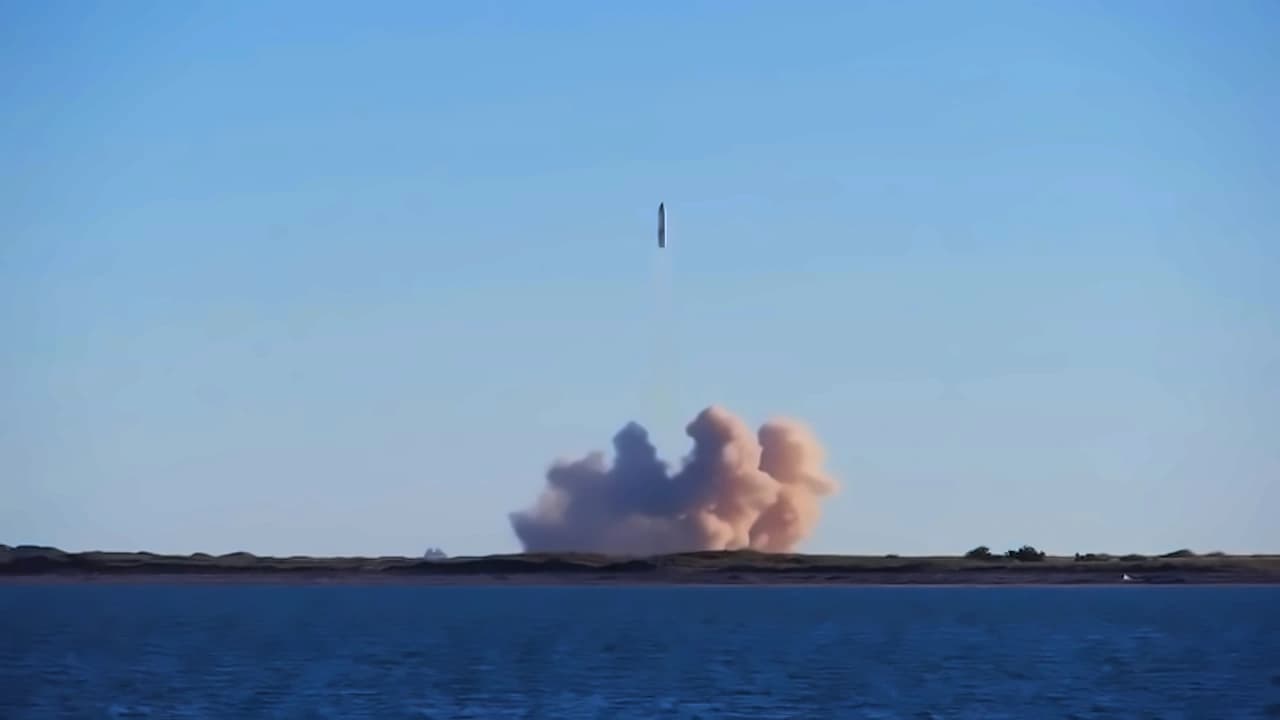
The United States fired precision munitions at Iranian military targets on Wednesday, marking the most dramatic single-day escalation of the conflict so far. US Central Command said its forces completed additional self-defence strikes against multiple targets in Iran on June 10, with Marine Corps, Air Force and Navy assets targeting Iranian military surveillance capabilities, communication systems and air defence sites across Iran. According to CENTCOM, the strikes were in response to Iran's unwarranted and continued aggression, with the military stating that US forces remain vigilant, lethal, and ready. The latest escalation comes after US Central Command conducted 'additional self-defense strikes' in response to Iran's continued aggression, with the military stating that commercial ships are continuing to transit the Strait of Hormuz despite Iranian claims to the contrary.
US President Donald Trump has escalated his warnings to Iran, stating 'Iran was taking too long to negotiate a deal' and 'now they will have to pay the price!!!' In his latest remarks to Fox News, Trump accused Iran of delaying negotiations on a potential agreement, claiming 'We were really close to a deal - but they keep tapping us along. They keep playing us for suckers because you know what? They dealt with some very stupid Presidents.' The president's comments come after US Central Command confirmed strikes on Iranian military installations following the downing of a US Army Apache helicopter near the Strait of Hormuz. Trump's latest statements indicate the military campaign against Iran is set to continue, with the president adding 'And we'll see what happens with the deal. We'll see what happens with the deal.'
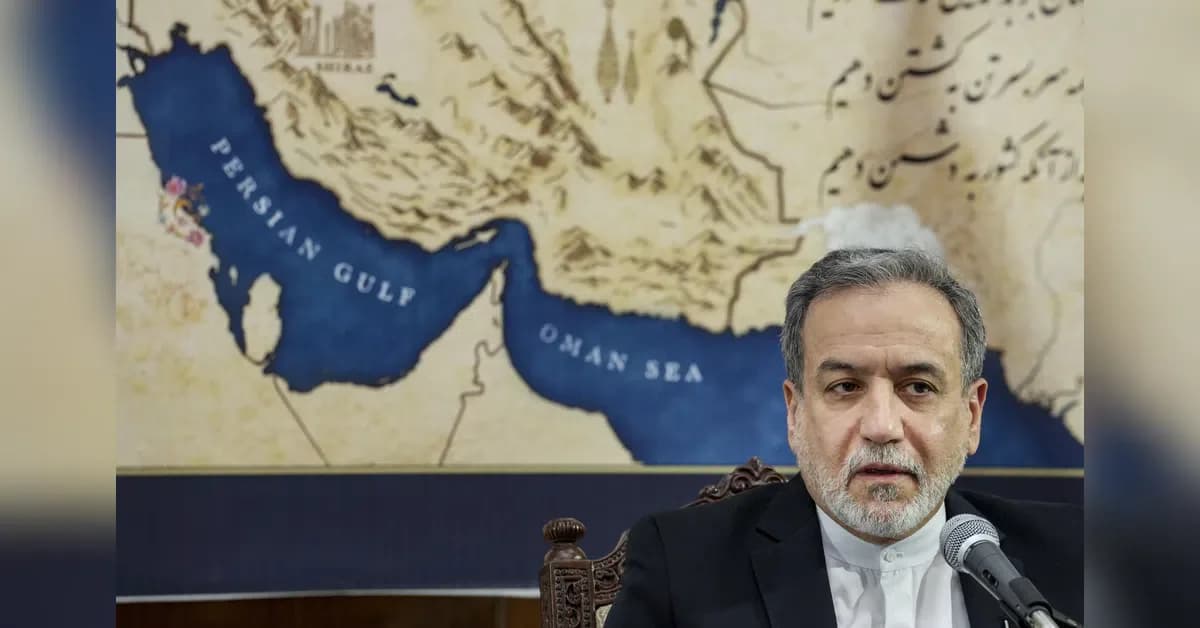
Iran has officially ordered the complete shutdown of the Strait of Hormuz to all maritime traffic in response to the latest US strikes. Tasnim quoted Iran's Khatam al-Anbiya military command as saying 'any vessel traffic through the Strait of Hormuz will be targeted' and that the route was 'completely closed to all types of vessel.' Iranian naval authorities confirmed that 'two ships attempting to illegally pass through the Strait of Hormuz were hit,' adding to the mounting tensions in the region. However, US Central Command refuted the Iranian claim that Hormuz has been completely closed, stating that commercial ships are continuing to transit the waterway. According to Bloomberg, Iranian news organizations said authorities in Tehran denied direct talks with the American president, despite Trump claiming he had spoken with top Iranian officials on Wednesday who had asked him to stop the bombing.
Oil prices closed up nearly $2 on Wednesday after President Donald Trump said the US is going to attack Iran 'very hard' if no peace deal is finalized. Brent crude futures last traded 0.3% lower at $94 after settling at $93.10 per barrel, up $1.65 or 1.8%, while US crude futures finished at $90.03 a barrel, up $1.83, or 2%. Both contracts jumped about $3 in afternoon trading after Trump reiterated that Iran would be attacked again following an exchange of fire overnight that was one of the most significant since an April ceasefire. The latest escalation comes after Brent crude surged more than 2% to trade above $95 a barrel while West Texas Intermediate advanced toward $93 before paring gains after the US military announced an end to the brief campaign. The renewed hostilities threaten to extend the near-total closure of the Strait, which has choked off supplies of crude, fuels and natural gas since the start of the war in late February.
Asian markets were mixed on Thursday after recovering from steeper losses earlier in the session. Hong Kong's Hang Seng gained 0.20%, while South Korea's Kospi rose 0.34% after tumbling as much as 4.1% earlier in the day. Japan's Nikkei 225 was down 0.37%, recovering from an earlier decline of 2.3%, while Australia's S&P/ASX 200 fell 0.30%, and China's Shanghai Composite slipped 0.02%. The market volatility reflects investor concerns about the escalating conflict's impact on global energy supplies and regional stability. According to Bloomberg, US crude inventories fell by 7.2 million barrels last week, extending declines for a seventh week, while supplies at Cushing, Oklahoma, also dropped slightly, with the disruption to Middle East shipments driving energy prices higher and raising concerns about slowing economic growth.