Iran's Revolutionary Guard has issued a stark warning to the United States, with spokesperson Hossein Mohebbi declaring that Iran would 'change the geography of the war' if the conflict escalates. As reported by Business Standard, Mohebbi stated that Iran would 'certainly change the geography of the war' and bring 'new weapons with new capabilities into the battle'. The Revolutionary Guard official emphasized that 'Our targets will no longer necessarily be the same as before', indicating Iran has targets that have not yet been struck. The warning comes as tensions continue to rise around the Strait of Hormuz, with Iran's military prepared for a long-term war scenario.
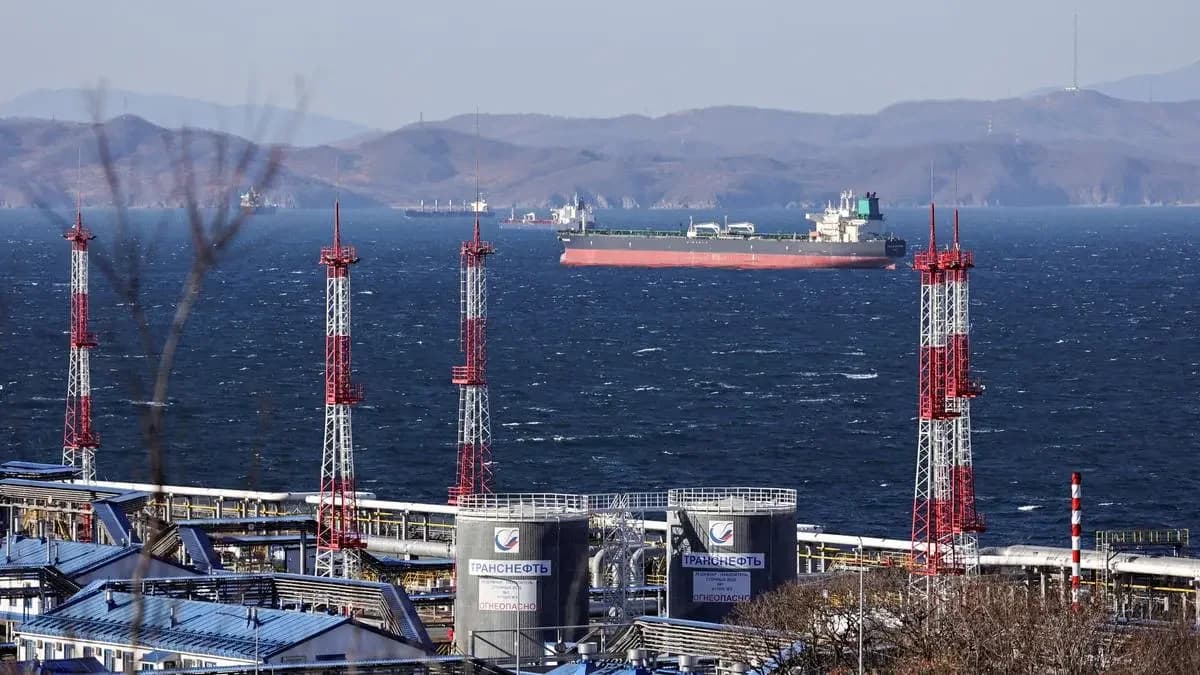
The latest escalation includes a British military report of an unknown projectile striking a tanker as it entered the Strait of Hormuz on Monday, resulting in two crew members sustaining minor injuries. According to Business Standard, the vessel is reportedly continuing to its next port of call under its own power, with no reports indicating any environmental impact at this time. This adds to the series of attacks that have disrupted maritime traffic through the vital strait, with some tankers again traversing the route but traffic remains well below what it once was. The attacks represent a significant escalation in tensions around the strategic maritime chokepoint, with authorities investigating the strikes and warning ships to transit with caution through the area.
Two foreign-flagged vessels carrying Indian crew were attacked near the Strait of Hormuz on Thursday, with no injuries reported in the first incident, according to reports from Hindustan Times. The Panama-flagged crude oil tanker MT Basrah Energy was hit by a projectile in the funnel area while sailing eastbound, just outside the Strait of Hormuz. The vessel suffered no significant damage, and all crew members were safe. It later arrived at Fujairah anchorage with 22 crew members on board, including 14 Indian nationals, as reported by Hindustan Times. The latest incidents add to a series of attacks involving vessels with Indian crew members as tensions in and around the Strait of Hormuz continue to disrupt maritime traffic.
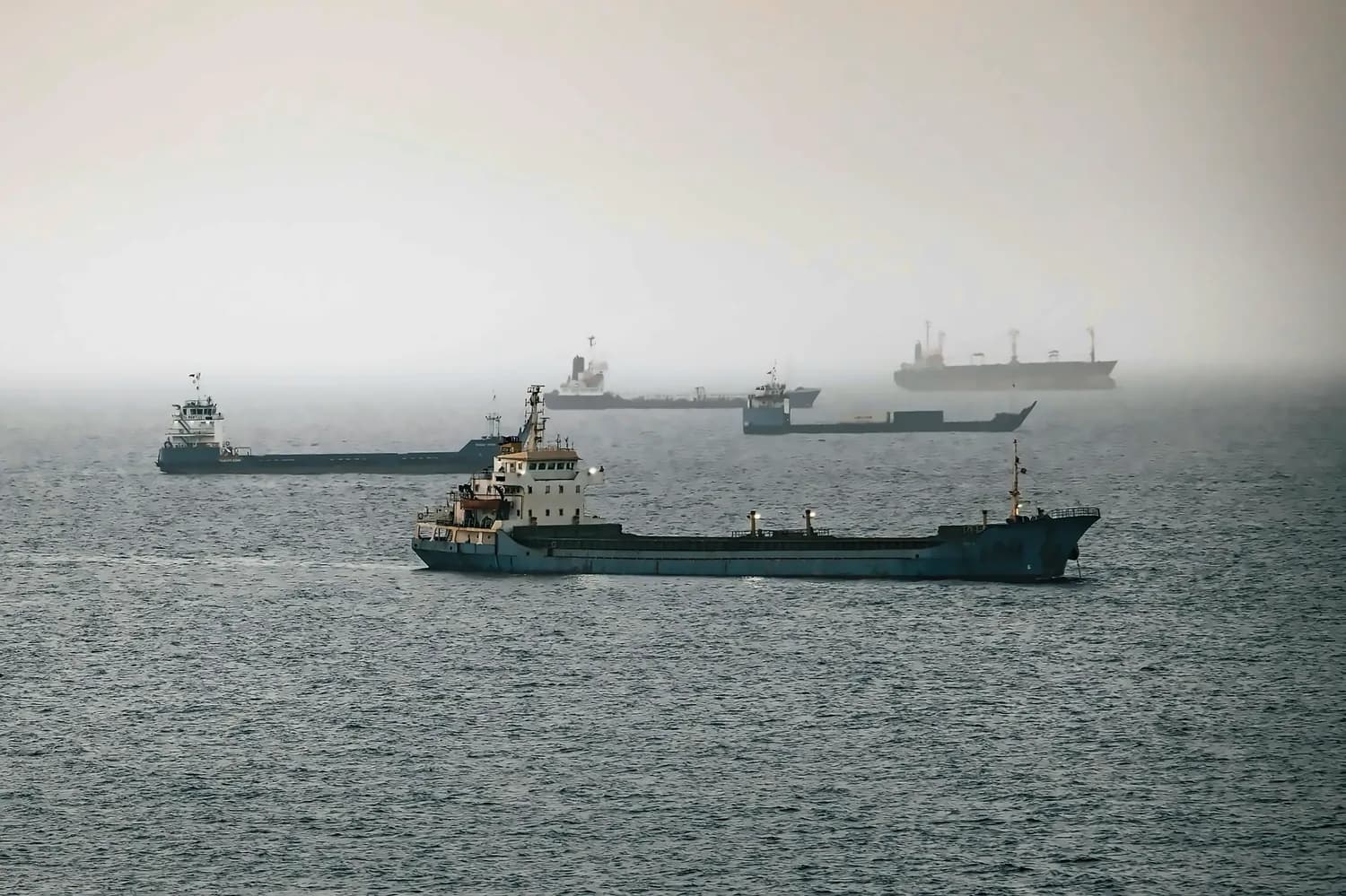
Six Indian-flagged vessels and eight foreign-flagged vessels of Indian interest are currently in the Persian Gulf, carrying a total of 153 Indian seafarers, according to reports from Hindustan Times. A total of 10 vessels of Indian interest remain in the Persian Gulf, west of the Strait, and have been identified for evacuation. The vessels are positioned west of the Strait of Hormuz, a key route for global oil shipments that has experienced continued security risks for commercial shipping. The attacks involved foreign-flagged vessels rather than Indian-flagged ships, with earlier reports confirming that crew members were safe and accounted for after the attacks.
The latest attacks come amid continued security risks for commercial shipping in and around the Strait of Hormuz, as reported by Hindustan Times. The heightened risks have prompted some shipping operators and oil traders to explore alternative arrangements, including ship-to-ship transfers off Oman to limit vessels' exposure to the Strait. Saudi Arabia has also been offering more crude cargoes to Asian refiners through such transfers off Sohar port to offset some of the disruption to its oil exports. The Strait of Hormuz remains one of the world's most important maritime chokepoints, connecting the Persian Gulf with the Gulf of Oman and the wider Arabian Sea. Reduced vessel movement through the route has already raised concerns over energy supplies and shipping costs, with the growing risks prompting shipping operators to reassess routes, insurance coverage and safety measures for vessels transiting the region.