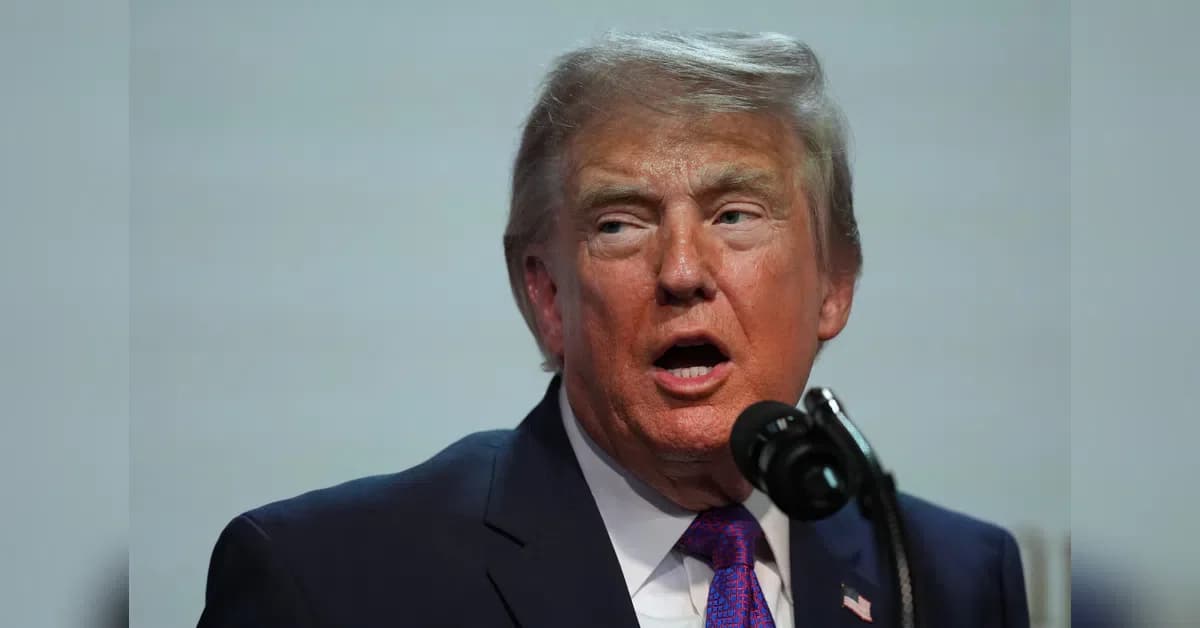
US President Donald Trump's Iran-US peace deal has drawn sharp criticism from political opponents, conservative commentators and some traditional allies, who argue the agreement grants Tehran significant concessions in exchange for promises that are yet to be 'verified' and 'tested'. US Senator Bill Cassidy characterized the deal as the 'worst foreign policy blunder in decades', questioning provisions that would allow sanctions relief and access to Iranian funds while negotiations on a final agreement continue. Conservative podcaster Ben Shapiro blasted the MoU as a 'disaster', placing blame on Vice President JD Vance for backing the deal. Conservative radio host Erick Erickson reportedly called the framework 'American surrender', while commentator Mark Levin questioned why the United States should ease pressure before Iran fulfills its obligations under the agreement. Former Vice President Mike Pence compared the framework to what he described as the 'appeasement' policies of previous administrations, arguing it resembled approaches pursued during the Obama and Biden years.
US President Donald Trump has confirmed that the Iran-US peace deal has been officially signed, with oil prices responding positively to the news. Speaking at the G7 Summit in Evian, France, Trump told reporters that 'The deal is all signed and the Strait of Hormuz is already partially opened. Ships are starting to go out now and on Friday it will be completely opened.' As reported by NDTV Profit, Trump remarked that 'The market is very happy' with the development, noting that oil prices could move below levels seen before the conflict. Crude oil prices slipped below $80 per barrel for the first time since March on Tuesday, though they rose marginally to $79.25 on Wednesday, trading 0.4% higher after briefly touching $77 per barrel. Trump emphasized that 'There is nothing so smart as the market' and indicated he would discuss further deal details at a press conference later on Wednesday. Trump has dismissed criticism, defending the agreement as a pragmatic step to prevent further conflict and stabilise global energy markets, pointing to falling oil prices and gains in financial markets as evidence that the deal is 'already producing benefits'.
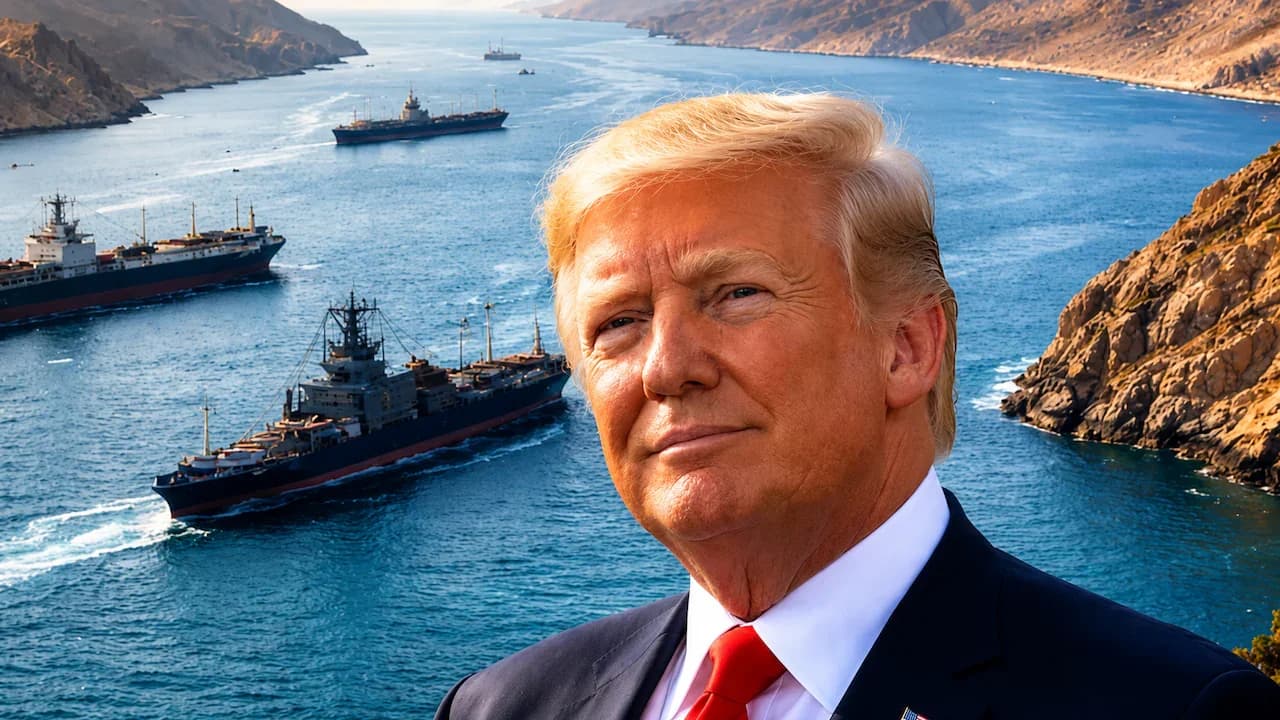
Trump confirmed that Iran has fully accepted the core demand on nuclear weapons, representing a significant breakthrough in negotiations. Speaking at the G7 summit meeting with French President Emmanuel Macron, Trump stated: 'The main thing is that Iran will not have a nuclear weapon, they fully agreed to that. We have done a great job and hopefully it's going to be a good relationship and we are going to get along.' The president added that 'if we don't, we go back to where we started but I don't think that's going to be necessary.' This nuclear commitment addresses what Trump had previously described as Iran's 'one-point demand' during negotiations, with the president noting that 'Iran is a different set of people' and expressing optimism about future relations.
The Strait of Hormuz reopening is progressing as planned, with Vice President JD Vance confirming that over a dozen ships have been allowed to reach Iranian ports as part of the initial agreement. At a White House press conference on Thursday, Vance announced that more oil is now passing through the Strait of Hormuz, with over 12.5 million barrels passing through the maritime canal on Wednesday night. As reported by the Associated Press, Vance stated: 'So we're also honouring our end of the early part of the agreement on the military side.' The president emphasized that lower crude prices would have a positive impact on affordability, noting that 'oil prices cooled off because ships were being taken out of Hormuz' in the normalization process. The reopening comes after intense fighting broke out in Lebanon since March 2, when Hezbollah began firing rockets into Israel to support its ally Iran in the face of a US-Israeli surprise attack.
In India, the government welcomed the understanding between Washington and Tehran, expressing hope that it would restore peace and stability in West Asia and ensure freedom of navigation and commerce through the Strait of Hormuz. Prime Minister Narendra Modi said India looked forward to the remaining issues being resolved through dialogue. The agreement also triggered political reactions in India, with Congress spokesperson Jairam Ramesh welcoming efforts to end the conflict but arguing that the deal did not alter the broader strategic challenges that India faces, including the growing influence of Pakistan and China in the region. Despite widespread criticism, many Republicans praised the agreement, with the deal remaining an interim framework with Washington and Tehran expected to negotiate a final accord within 60 days.