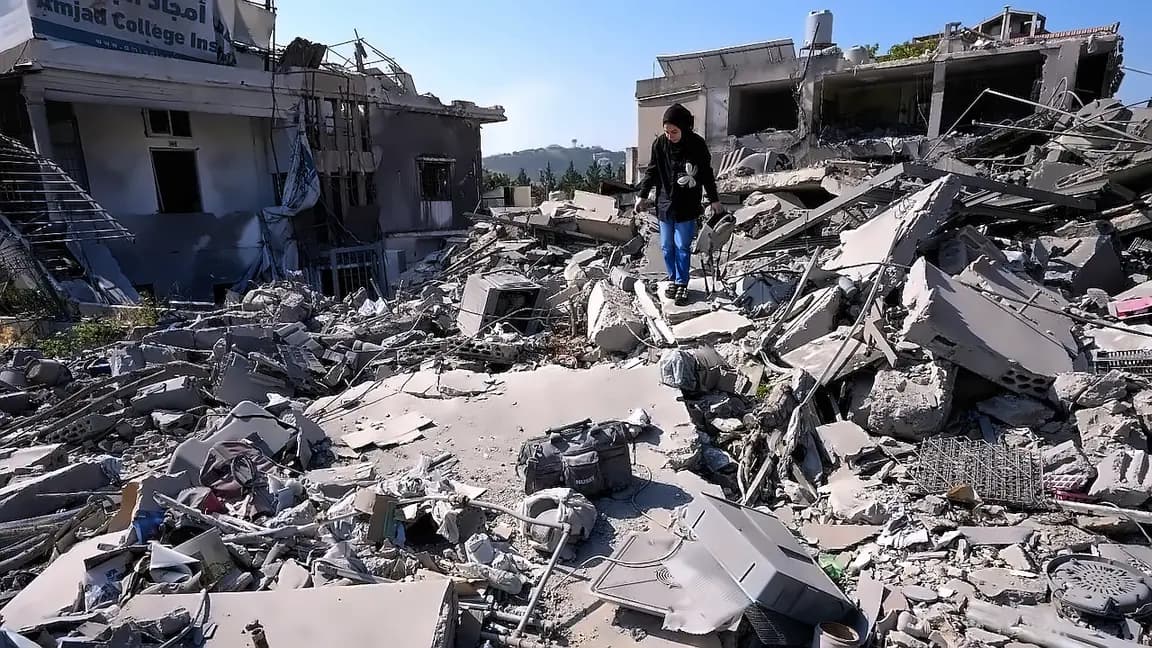
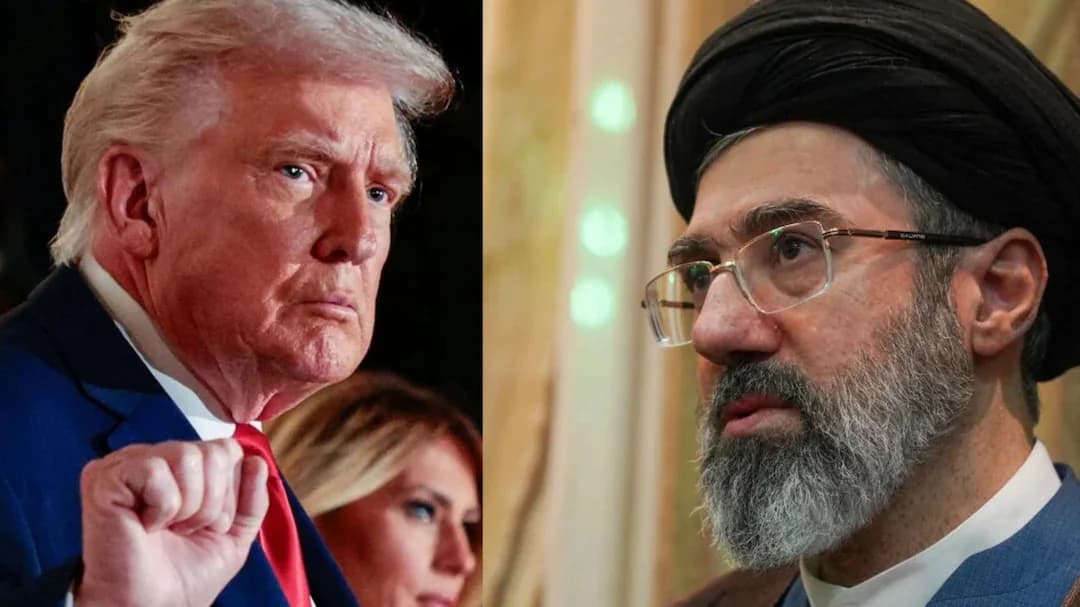
Iran has accused the United States of taking contradictory positions that have delayed progress toward a peace agreement, with Foreign Ministry spokesperson Esmail Baghaei stating during a weekly press briefing that any agreement with the US must include the truce in Lebanon. According to Tasnim news agency, Baghaei said Tehran continues to engage in negotiations with the US despite deep distrust, while reiterating that Iran has not held talks with Washington on its nuclear programme. The comments came after the US military carried out what it described as 'self-defense strikes' on Iranian military infrastructure over the weekend, targeting radar installations and drone command-and-control sites in Goruk and on Qeshm Island after Iran allegedly shot down a US MQ-1 drone operating over international waters.
The draft framework would require Iran to clear all mines from the Strait of Hormuz within 30 days and recommit Tehran to no nuclear weapons, in exchange for oil sanctions waivers. As reported by multiple sources, roughly 20% of global petroleum passes through that chokepoint daily, making the Strait of Hormuz reopening talks a critical component of the negotiations. However, former Secretary of State Mike Pompeo led Republican pushback, calling the proposed terms a sanctions giveaway. The internal split has complicated White House timing, with the 60-day pause memorandum remaining under White House review. Recent reports suggest that Washington and Tehran were still exchanging revisions to a draft memorandum of understanding, with Iranian sources telling Tasnim that Tehran intends to submit its own amendments and has not accepted changes recently proposed by Trump.
The latest developments follow weekend US strikes on Iranian military sites and a Tehran counterattack on a US air base in the Gulf. US Central Command described the weekend operations as defensive, targeting missile launch positions and vessels deploying mines in southern Iranian waters. Iranian state media confirmed a counter-strike on a US air base in the Gulf without detailing casualties. The war began after February's joint US-Israeli campaign, with the strikes killing senior Iranian officials, including Supreme Leader Ali Khamenei. Tehran's closure of the strait has since triggered a sustained Asian energy market shock, cutting roughly a fifth of global oil flows.
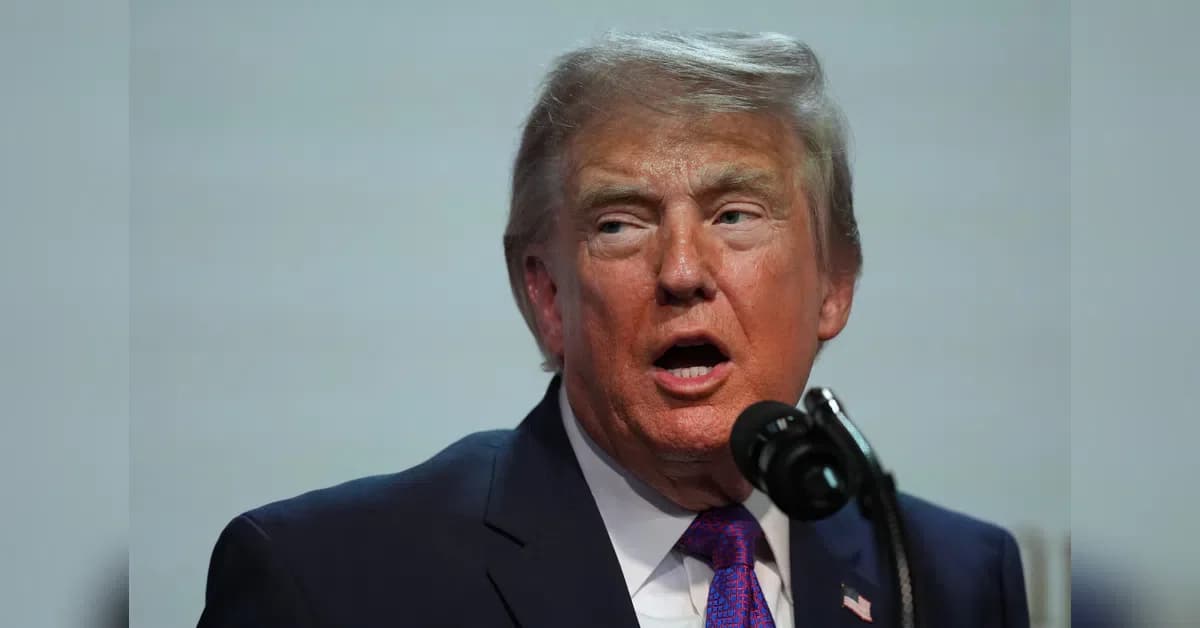
President Donald Trump used a Monday morning Truth Social post to blame Democrats and Republican critics for complicating a near-final Iran agreement, marking the latest escalation in a 12-week war that began after February's joint US-Israeli campaign. According to Truth Social, Trump argued that 'Iran really wants to make a deal, and it will be a good one for the U.S.A. and those that are with us. But don't the Dumocrats, and various seemingly unpatriotic Republicans, understand that it is MUCH tougher for me to properly do my job and negotiate, when political hacks keep negatively ' As reported by NDTV Profit, Trump pushed back against media reports questioning the contents of the proposed agreement, writing that the draft 'very clearly' prevents Iran from obtaining a nuclear weapon and arguing that nuclear restrictions form a central part of the proposed framework.
Risk assets stayed largely flat into Monday, with Bitcoin (BTC) trading near $73,300, down less than 1% over 24 hours, and Ethereum (ETH) at roughly $1,994 according to CoinGecko data. Earlier May strikes had pushed crypto liquidations near record levels, but leveraged positioning has since cooled, leaving traders less exposed to weekend headlines. Equity futures and oil are moving within tight ranges, with the coming week expected to show whether Trump signs the pending framework or escalates further. The latest round of negotiations has become more complicated after Trump reportedly toughened parts of the proposed agreement, with reports suggesting the US president has expressed concerns about provisions that could involve unfreezing Iranian assets as part of a broader settlement.