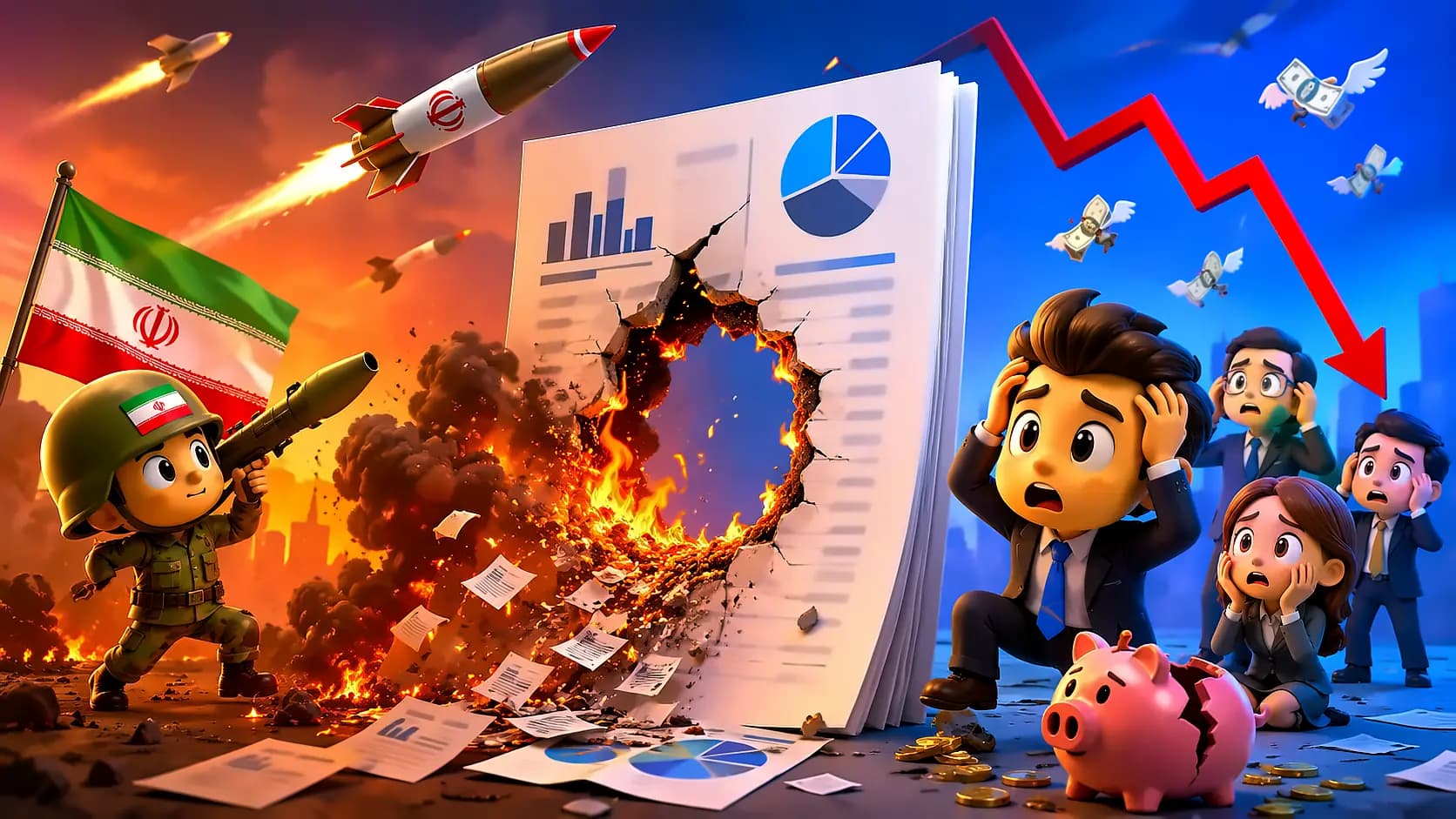
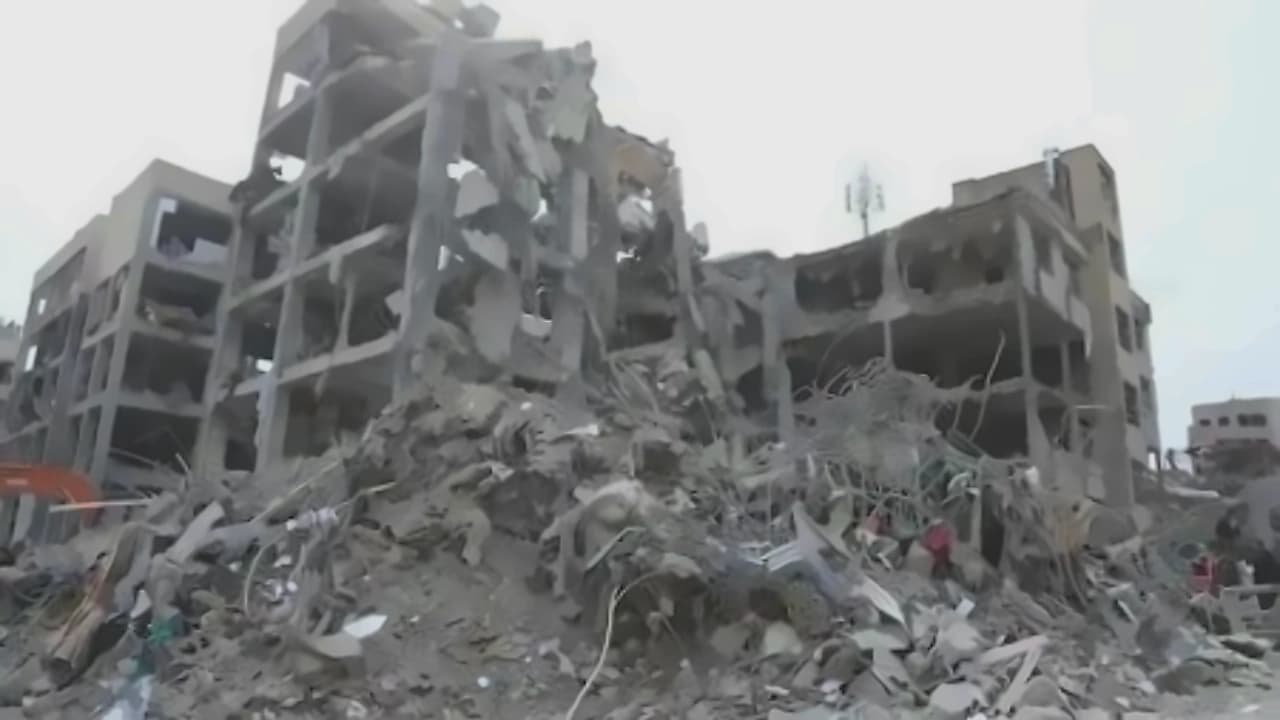
The US-Israeli war with Iran has already cost companies around the world at least $25 billion — and the bill is climbing, according to a Reuters analysis. At least 279 companies have cited the war as a trigger for defensive actions to blunt the financial hit, including price increases and production cuts. The upheaval is the latest in a series of disruptive global events for business following the Covid-19 pandemic and Russia's invasion of Ukraine, with little indication that an agreement to end the conflict is imminent. As Reuters reports, oil spikes, shipping chaos, inflation, and broken supply chains are hitting every business sector.
Iran's blockade of the Strait of Hormuz — the world's most critical energy chokepoint — has pushed oil prices above $100 a barrel, more than 50% higher than before the war. Airlines account for the biggest share of quantified war-related costs, representing nearly $15 billion, with jet fuel prices having nearly doubled. One-fifth of companies in the review have flagged a financial hit due to the war, with a majority based in the UK and Europe where energy costs were already elevated, while almost a third were from Asia. The shipping chaos and supply chain disruptions are compounding the economic impact across multiple sectors.
Recent market volatility has been driven by unconfirmed reports of potential sanctions relief, with Tasnim News Agency claiming on May 18 that Washington had accepted an oil sanctions waiver in negotiating text. The report moved Brent crude $4 lower to $107.78 per barrel, testing Saudi Arabia's fiscal break-even point of $108-111 per barrel. According to Reuters, this represents the market's inability to resolve contradictory signals — military escalation pushing prices higher while sanctions relief expectations drive them lower. No US official has confirmed the waiver claim, with zero US officials publicly corroborating the report across major outlets. The timing was particularly significant as it arrived 18 hours before President Trump's scheduled National Security Council meeting on May 19 to review military options against Iran.
Iran's stock market reopens May 19 after remaining closed for 80 days during the conflict involving the United States and Israel. While not a primary economic driver, its resumption offers insights into economic health and investor sentiment. Trading in shares, equity funds, and equity-linked derivatives will restart on Tuesday and Wednesday, ahead of the Iranian weekend, with market hours extended by one hour to give major companies additional time to disclose key information. The market, largely cut off from global indexes due to Western sanctions, had been shut since February 28 when the US and Israel carried out missile strikes on Tehran and other parts of the country, with the TEDPIX benchmark index having climbed to a record high of nearly 4.5 million points at the beginning of 2026 before tumbling after nationwide protests and a 20-day government-imposed internet shutdown.
Nearly 40 companies in the industrials, chemicals and materials sectors have said they would raise prices due to their exposure to Middle Eastern petrochemical supply. Newell Brands Chief Financial Officer Mark Erceg said every $5 rise in per-barrel oil prices adds about $5 million in costs. German tyremaker Continental expects a hit of at least €100 million from the second quarter due to surging oil prices making raw materials more expensive. Fast-food giant McDonald's said elevated gas prices are the core issue affecting consumer demand.