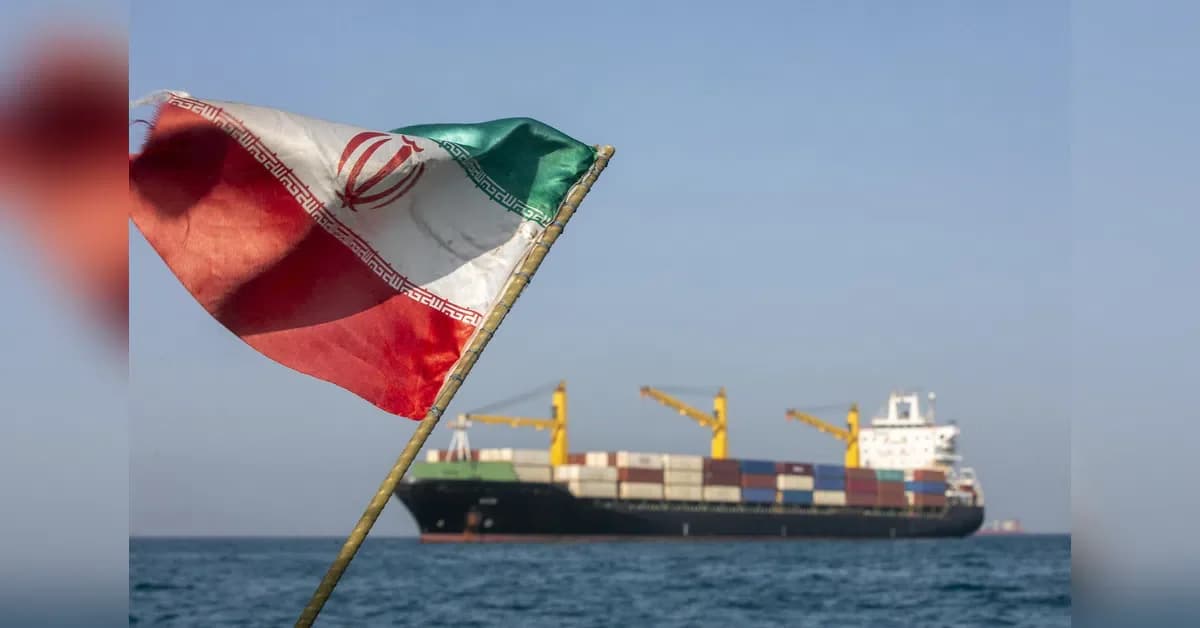
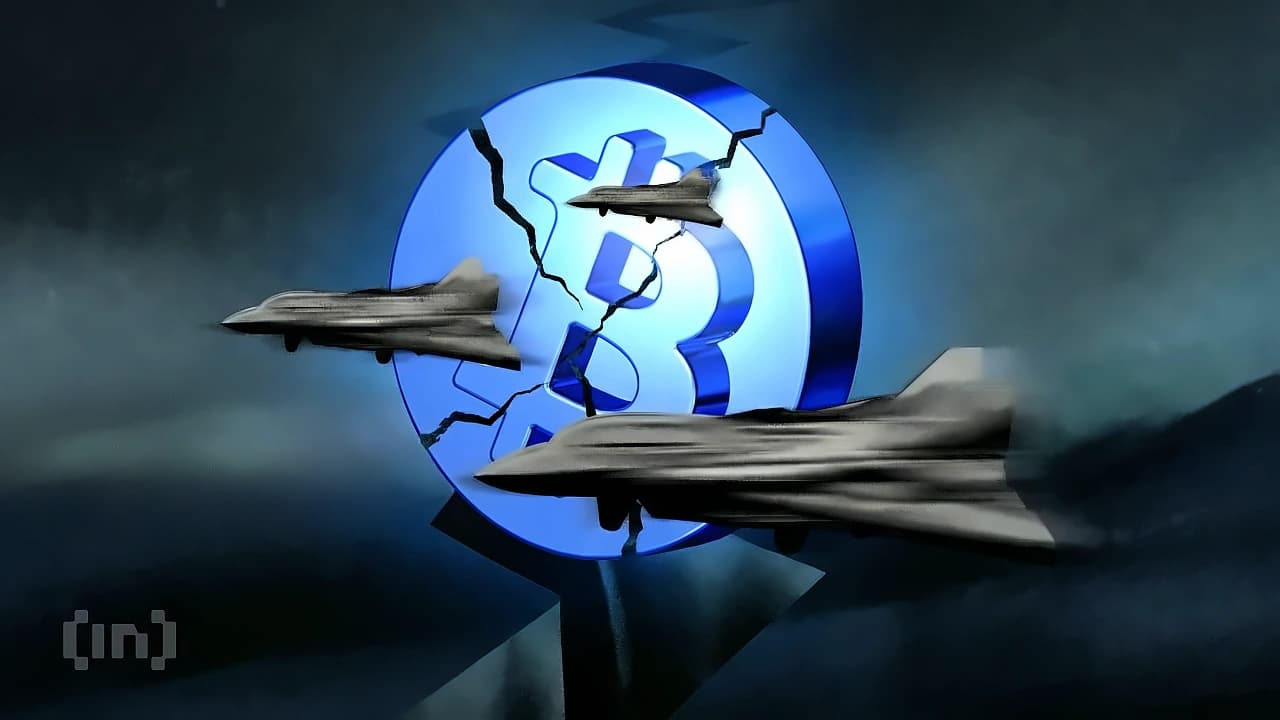
The Trump administration has escalated its economic pressure on Iran through what officials are calling 'Economic Fury', marking one of the most aggressive U.S. efforts in years to economically isolate the Islamic Republic. A senior administration official told Fox News Digital that Treasury has disrupted billions in projected Iranian oil revenue in recent days alone, including freezing $344 million in regime-linked cryptocurrency. Treasury Secretary Scott Bessent announced that the campaign has already disrupted 'tens of billions of dollars in revenue' that would otherwise support terrorism, while warning that Kharg Island, Iran's primary oil export terminal, is nearing storage capacity and could soon force production cuts costing the regime an additional $170 million per day in lost revenue. The campaign extends beyond traditional sanctions to target Iran's ability to generate, move and repatriate funds across oil, banking, cryptocurrency and covert trade networks, with Treasury warning financial institutions in China, Hong Kong, UAE and Oman that continued facilitation of Iranian illicit commerce could trigger secondary sanctions. According to Fox Business, Secretary Bessent spoke to Larry Kudlow about Operation Economic Fury, revealing that the president gave the operation order more than a year ago, with the pressure bringing the Iranian economy to a standstill and causing the largest bank in Iran to collapse. The central bank was forced to monetize debt, creating massive inflation, while Iran's currency is down about 60-70% versus the U.S. Dollar, putting the country in the middle of a currency crisis.
A significant development has emerged with the United States launching Project Freedom on May 4, which frames the situation as controlled stabilization rather than confrontation. As reported by Investing.com, the initiative involves guided-missile destroyers, aircraft, and drones providing coordinated security to reassure insurers, shipping companies, and governments that passage through the Strait of Hormuz can resume. The key distinction lies in the conditionality: if Iran engages, it becomes the initiating party in a new conflict, leaving President Trump responding defensively rather than offensively and preventing the War Powers clock from resetting. This represents a shift from escalation to controlled stabilization of global trade flows, with the objective being to restart commerce rather than intensify conflict. The S&P 500 Index and Nasdaq 100 both closed April at record highs, supported by an earnings season where roughly 81 percent of S&P 500 companies beat expectations. However, risk appetite remains remarkably resilient but narrow beneath the surface, with four of the last five record closes driven on negative breadth, indicating the rally is being carried by fewer names than desired.
The Iran war has dramatically reshaped global financial markets, with stock markets swinging from gains to sharp losses after the conflict's outbreak. According to Morningstar Markets Observer, returns were broadly positive through late February, led by strong gains in South Korea, Thailand, and Egypt, alongside solid performance across Latin America and parts of Europe. However, stocks fell across regions after the escalation began on Feb. 28, reflecting global sensitivity to energy and trade shocks. The Morningstar Emerging Markets Index fell by 12.6% in March alone, though it remained one of the best-performing asset classes over the past 12 months, gaining nearly 27% despite the recent selloff. Developed European and Asian countries have been particularly sensitive, with the Morningstar Developed Markets ex-US Index declining 9.9% in March, while the US benefits from being a major oil producer and from being geographically detached from possible supply constraints, with the Morningstar US Market Index down only 5% in March. As Fox Business reports, Larry Kudlow noted that if any Iranian thugs from the Islamic Revolutionary Guard Corps think a minor bump up in gas prices is gonna kill the American economy, they should think twice, emphasizing that the American economy is doing quite well despite the bump in gas prices. The oil market remains the fulcrum with hundreds of tankers still stranded across the Gulf, as Brent oil erases losses with uncertainty over Trump's Hormuz plan, with the prospect of ships moving again serving as a pressure release for a system under strain.
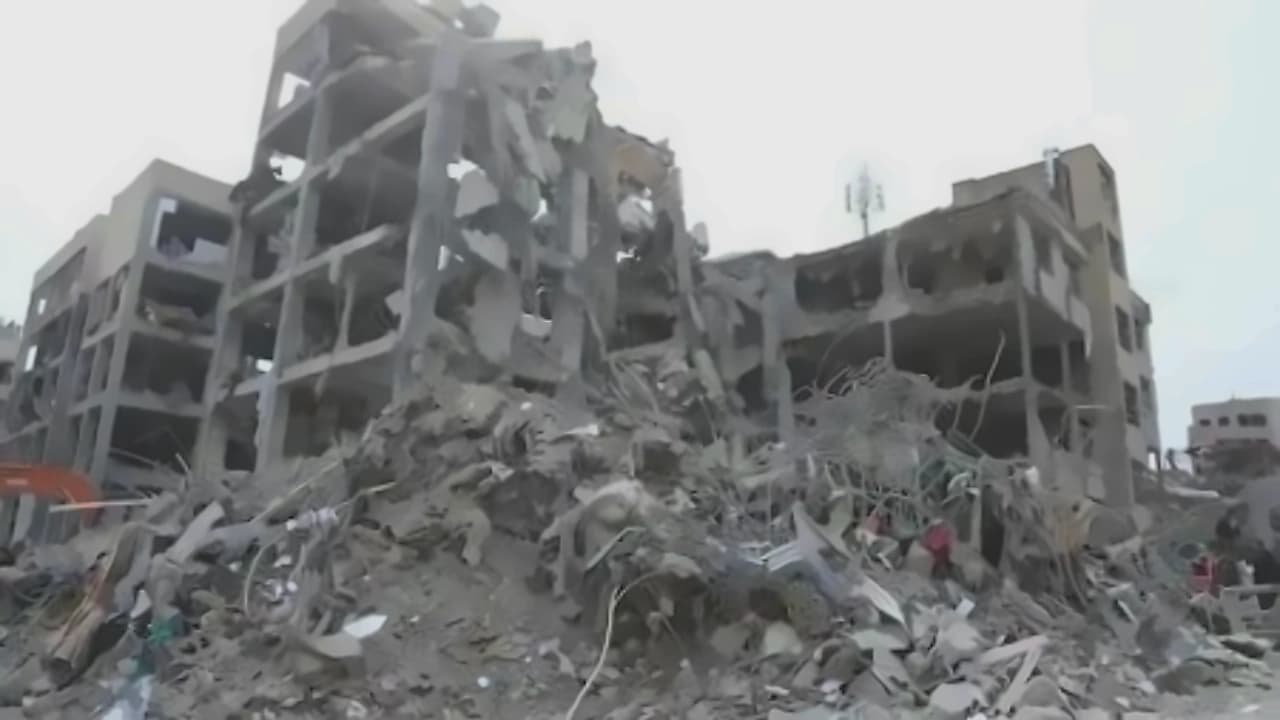
Weeks of Middle East conflict have worsened Iran's economic pressures, but the Islamic Republic continues to function under ongoing standoff conditions. According to reports from The Times of India, Iran remains in a stalemate with the United States and Israel, with ceasefire talks stalled while key Gulf routes remain disrupted. Despite significant damage to infrastructure, industries and oil exports, analysts quoted by Reuters say Iran is still managing internal supplies and limited external trade. Sanam Vakil, head of the Middle East programme at Chatham House, noted that Iran has calculated a longer runway than economists or Western policymakers are anticipating, relying on internal control mechanisms and what it describes as a 'resistance economy'. The conflict has already had widespread impacts on oil prices and energy supplies around the world, with the potential for greater disruptions should the war persist. Alireza Nader, an Iranian independent analyst, argues that Iran's leadership has repeatedly shown it is willing to let ordinary citizens bear extraordinary suffering to preserve power, warning that public hardship does not necessarily translate into vulnerability.
Analysts remain divided on whether the unprecedented economic pressure will force Iran's regime to capitulate or whether Tehran will once again absorb the pain and suppress unrest. Miad Maleki, a former Treasury sanctions analyst, argues that Washington may now hold its greatest leverage over Iran since the 1979 revolution, citing the convergence of sanctions, naval blockade and aggressive secondary enforcement. However, Danny Citrinowicz, a nonresident fellow with the Atlantic Council's Middle East Programs, warns that 'the blockade won't force Iran to capitulate', arguing that Iran's rulers may still calculate they can outlast U.S. patience through repression and resource management. Yaakov Amidror, former Israeli national security adviser, argues that blockade should be judged by whether Washington has the patience to let time erode Iran's strength, describing it as 'one of the cheapest long-term methods of pressure available'. The market is no longer trading the full geopolitical risk; it is trading the parts that actually matter to flows, with the conflict remaining volatile but the tape focused on whether the Strait of Hormuz will remain open to shipping. As Investing.com notes, the catch is that this leaves the rally exposed, because if those flows are disrupted again, the market may need to backpedal.