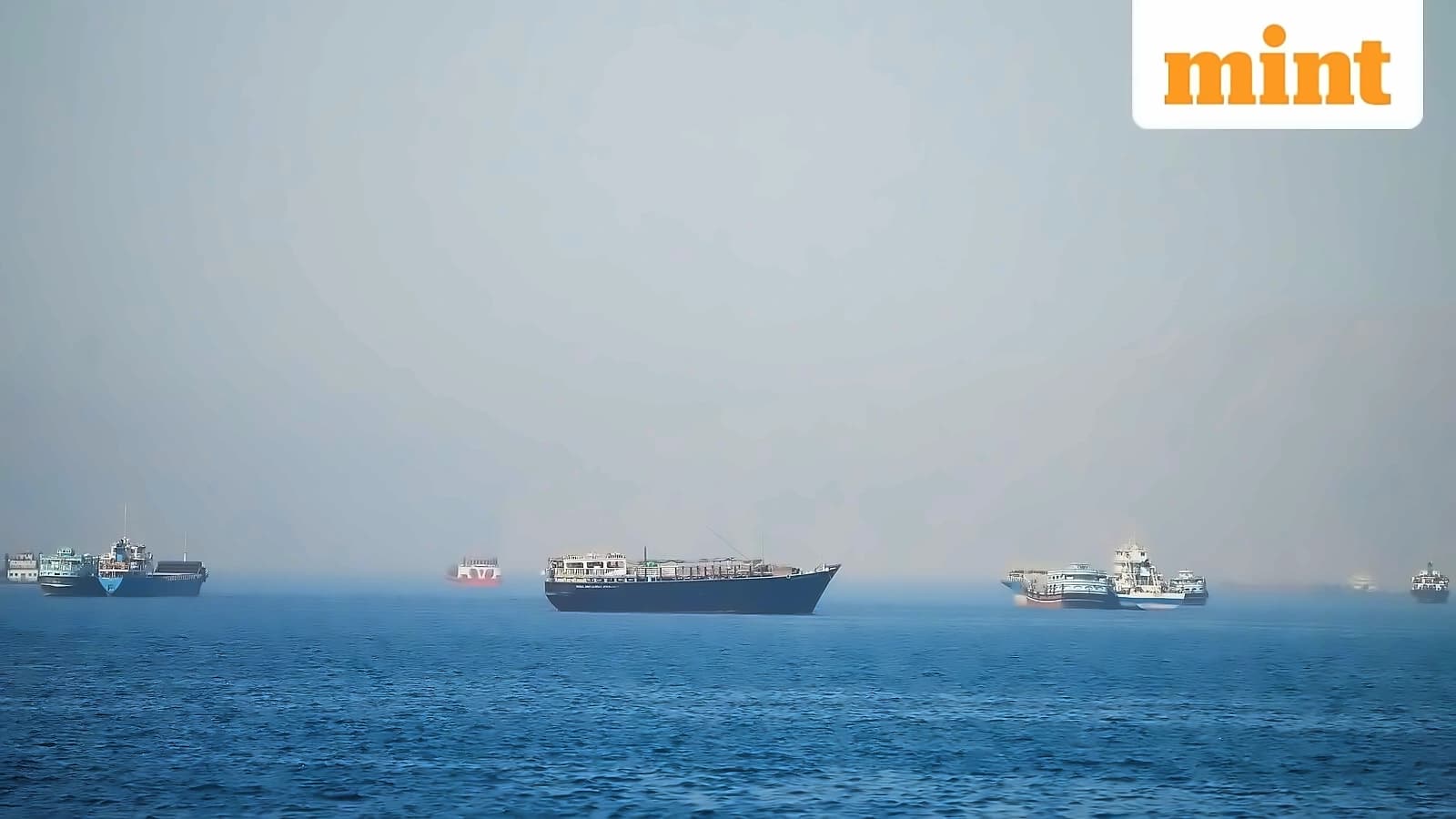
The latest military confrontation escalated on September 5 when US Central Command (CENTCOM) struck three Iranian tankers in response to Iran's Islamic Revolutionary Guard Corps launching ballistic missiles at two US Navy ships. According to Reuters, US Central Command said on X that as of September 6 it had redirected 92 commercial vessels, disabled three and boarded two to ensure strict compliance with its blockade. The three vessels were part of a multibillion-dollar shadow network that funds the IRGC and its regional proxies. This renewed military activity comes six months after US-Israeli strikes against Iran, with the war appearing to be at a stalemate. US Energy Secretary Chris Wright confirmed that 'Let the message to the IRGC be clear: If you shoot at two of our ships, we will impose an even higher economic cost —taking out three of yours' as reported by ABC News.
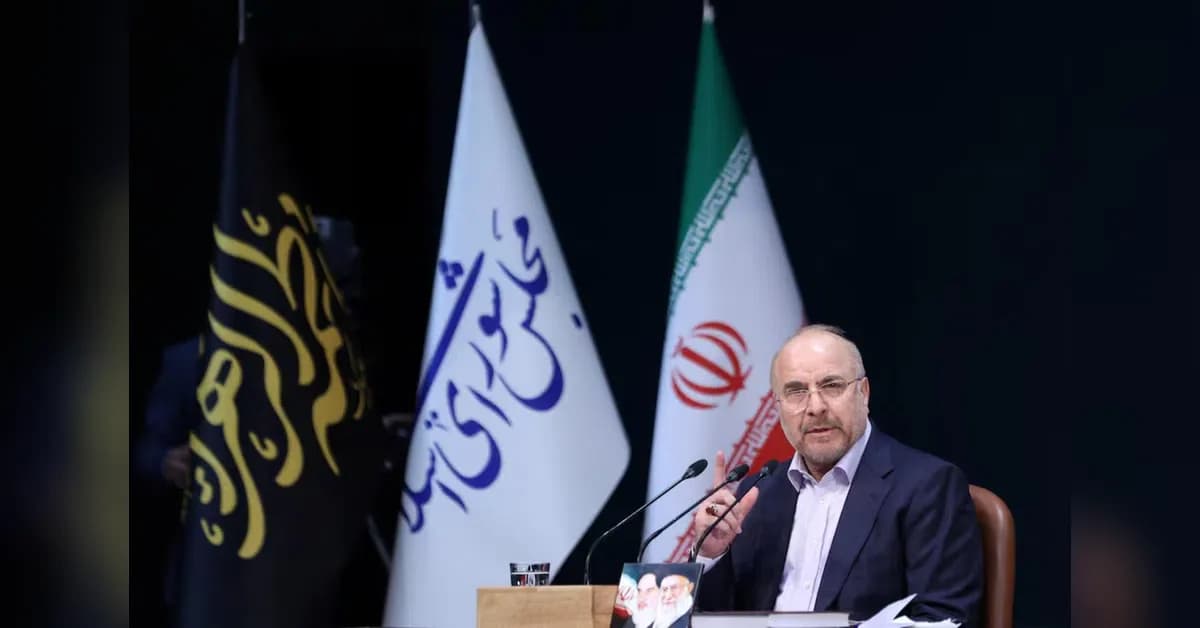
Following the latest attacks, Iran's Parliament Speaker Mohammad Baqer Qalibaf said on September 6 that the US should understand that the rules of the game in the war against Iran have changed 'before it is too late'. According to The Hindu, Qalibaf stated that 'From now on, any attack against Iran's interests and security will receive a faster, heavier and more painful response' in a speech published on his Telegram channel. Energy Secretary Chris Wright acknowledged that 'There may not be a nuclear agreement. It may be simply destroying their capabilities to do it' as reported by ABC News. Wright emphasized that 'We are degrading their capacity to develop nuclear weapons and ultimately to deliver them if they develop them', stating the US will work in cooperation with allies to achieve this goal. Qalibaf's remarks come after Defense Secretary Pete Hegseth wrote on X that 'It's simple: if Iran shoots at U.S. ships, we will destroy (and sink) their oil tankers. All they have to do is not shoot at @USNavy'.
Iran said it will step up efforts to tackle problems created by the US sanctions that are crippling its economy, even as a senior Iranian official warned of a 'more painful response' if Iran comes under further attack. As reported by Reuters, Economy Minister Ali Madanizadeh said Tehran plans to respond to US economic pressure with reforms, rejecting the idea that sanctions would cause it to change course. Deputy Economy Minister Morteza Zamanian said the ministry's 'Economic War Headquarters' was doubling down on its work to resolve problems caused by the war. Iranian President Masoud Pezeshkian said late last month that the country's trade has fallen sharply, with Iran's gross domestic product estimated to have contracted by 2.7% in the year ending March according to the World Bank. Inflation surged to 62.2% in February, with food price inflation reaching a historical high of 99%, while an Iranian official estimated that the war has caused the loss of one million jobs. In his speech on Sunday, Qalibaf added that 'Severe fluctuations in the exchange rate, inflation, unemployment, and market management are fundamental challenges that have put serious pressure on people's livelihoods' and emphasized that Iranians could tolerate hardship but not mismanagement or inaction.
The conflict has significantly disrupted Iran's oil exports, with Iran's Oil Minister Mohsen Paknejad saying Kharg Island has been hit around 550 times in previous months but continues to operate. Iran, the third-largest producer in the Organization of the Petroleum Exporting Countries, exported 90 per cent of its crude via its Kharg Island export hub before the war. Flows have been disrupted since a US blockade of Iranian oil exports began in mid-April, with Trump issuing a social media post on August 31 depicting Kharg Island being 'blown to smithereens'. Iran has also imposed a blockade on the Strait of Hormuz, creating issues for Trump by pushing up fuel prices globally ahead of midterm elections for his Republican Party in November. Energy Secretary Chris Wright confirmed that 'The biggest role of our military in the region right now is to stop the export of any Iranian crude or crude-related products, natural gas, whatever' as reported by CBS News. However, he noted that 'Our transits through the Strait are averaging over 9 million barrels a day now, and with the access pipelines that go around the Strait, we're probably two thirds or more of pre-conflict flows' as reported by CNN, suggesting the US Navy is winning the battle despite Iranian disruptions.
The US-Iran conflict has effectively shut the Strait of Hormuz, a key waterway for the world's oil supply before the war began on February 28 with American and Israeli airstrikes. The latest developments come after the Treasury Department announced sanctions against a small Turkish investment bank and two of its subsidiaries accused of facilitating funds for an arm of Iran's Revolutionary Guard. These measures are part of sweeping sanctions the Trump administration launched in late August targeting Iran's access to digital assets, advanced technology procurement, gold reserves, commercial aviation and shipping. Wright emphasized that President Trump's preference 'is always to have a negotiated settlement and not use a military solution unless absolutely necessary' as reported by CBS News. However, he noted that 'The United States will get the job done and we will work in cooperation with our allies in the region' to prevent Iran from obtaining nuclear weapons, suggesting the conflict may continue beyond the current administration. On Saturday, US Central Command said it struck three Iranian vessels, including one off the coast of Kharg Island, with the IRGC responding by threatening intensified strikes and saying it targeted three tankers as well as three U.S.-linked vessels in other areas. Tasnim reported that the IRGC had shot down a U.S. surveillance balloon over Erbil in northern Iraq, describing it as part of a broader effort to eliminate U.S. aerial surveillance and early-warning systems in the region.