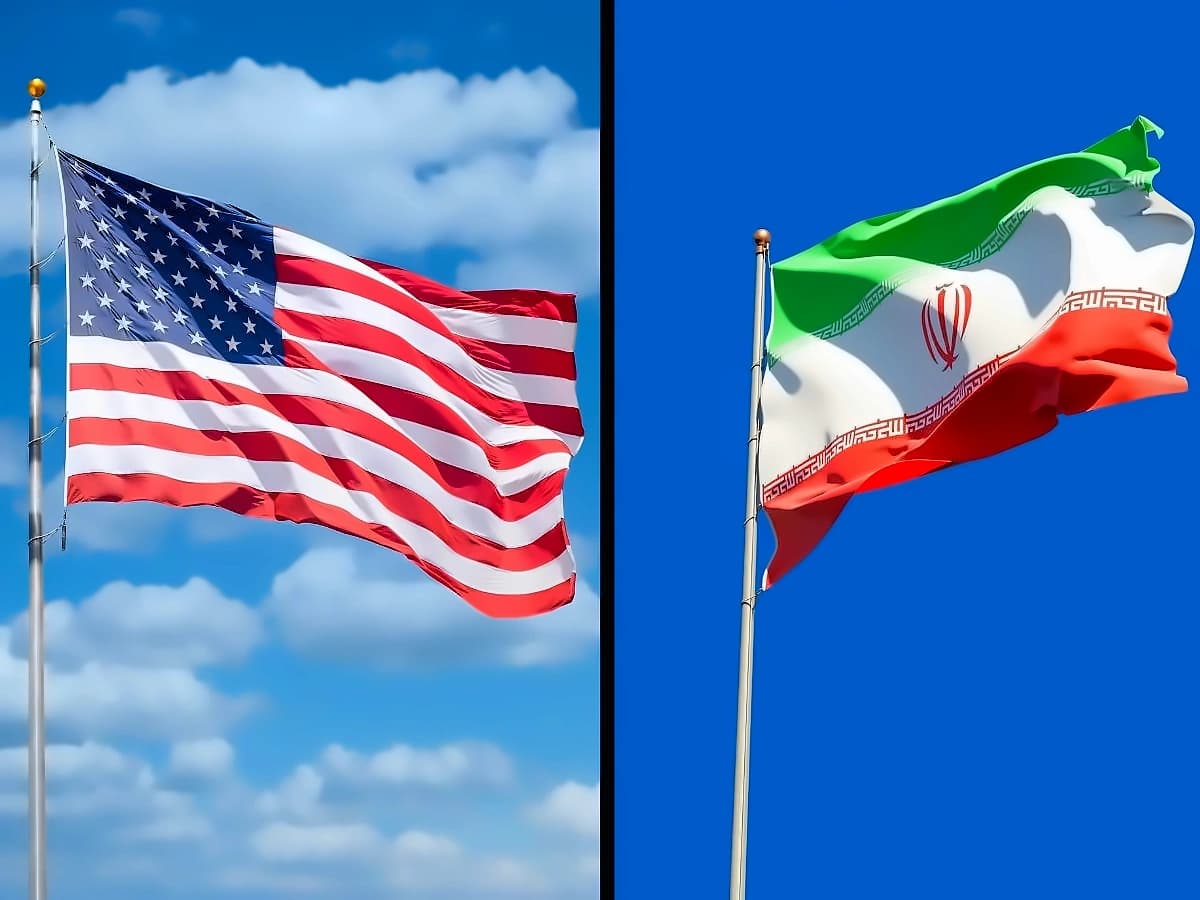
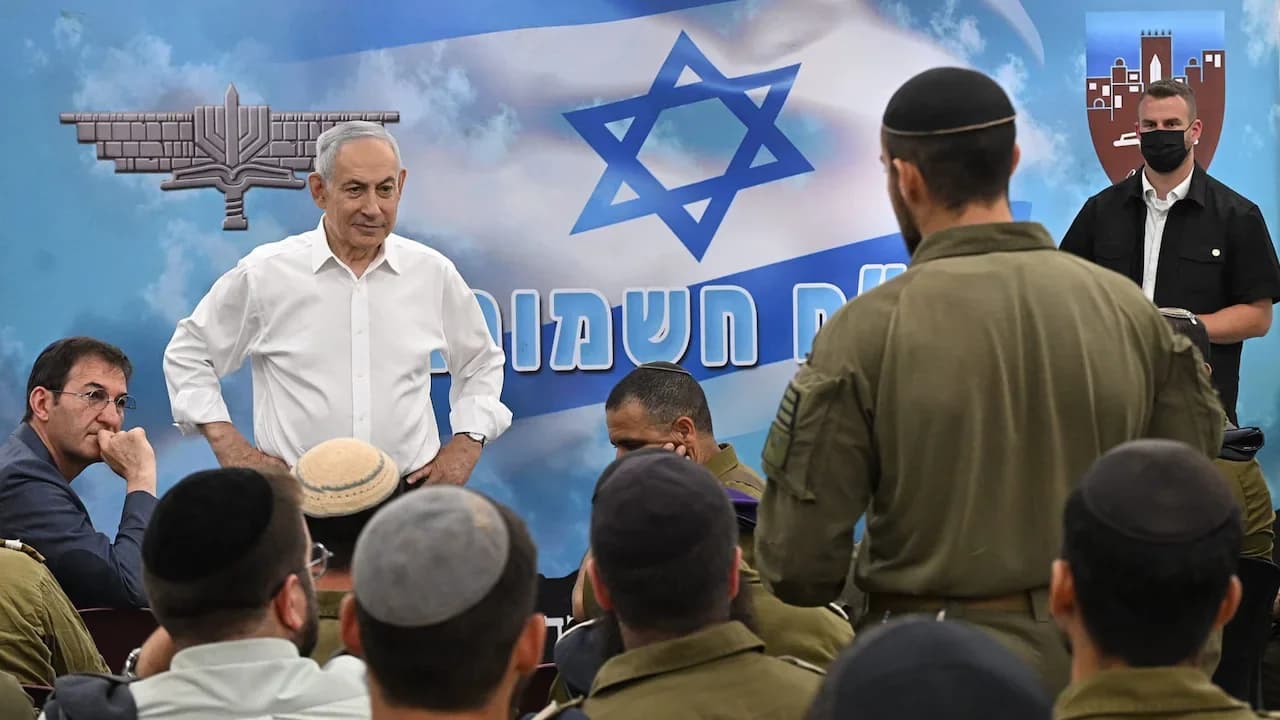
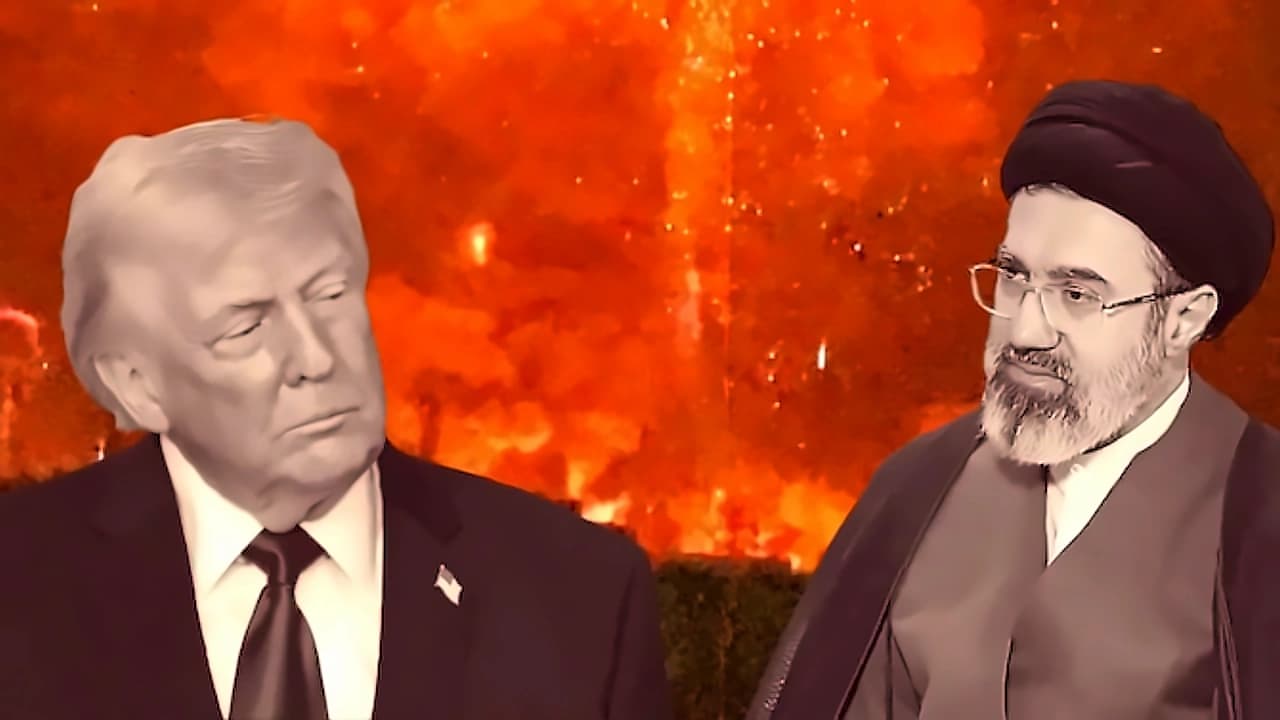
Iran's Supreme Leader Mojtaba Khamenei has hardened his stance against the United States and Israel, describing the two nations as 'two global terrorist armies' according to Iran's state-linked Fars News Agency. The remarks were made during a message commemorating the second anniversary of the death of former Iranian President Ebrahim Raisi, who died in a helicopter crash in 2024. Khamenei emphasized that Iran is standing firm against what he described as 'two global terrorist armies' represented by Israel and the US, as reported by Fars News Agency. In a separate written statement, the Iranian leader stated that the ongoing war had made the responsibilities of government officials heavier than before, while expressing gratitude for the unity of the nation. Mohsen Rezaei, senior advisor to Leader of the Islamic Revolution Ayatollah Seyyed Mojtaba Khamenei, stated that the iron fist of Iran's powerful armed forces and the resolute Iranian nation will eventually compel the US to retreat and surrender. Mohammad Bagher Ghalibaf, speaker of Iran's parliament, has accused the US of 'seeking a new round of war' as he vowed Tehran 'will not bow down to force'. In a statement on his Telegram channel, Ghalibaf said: 'The enemy has imposed a difficult war on our beloved Iran, and today, more than ever, it is clear that we are in a war of wills, and whoever wins this war of wills will write Iran's history and determine Iran's future.'
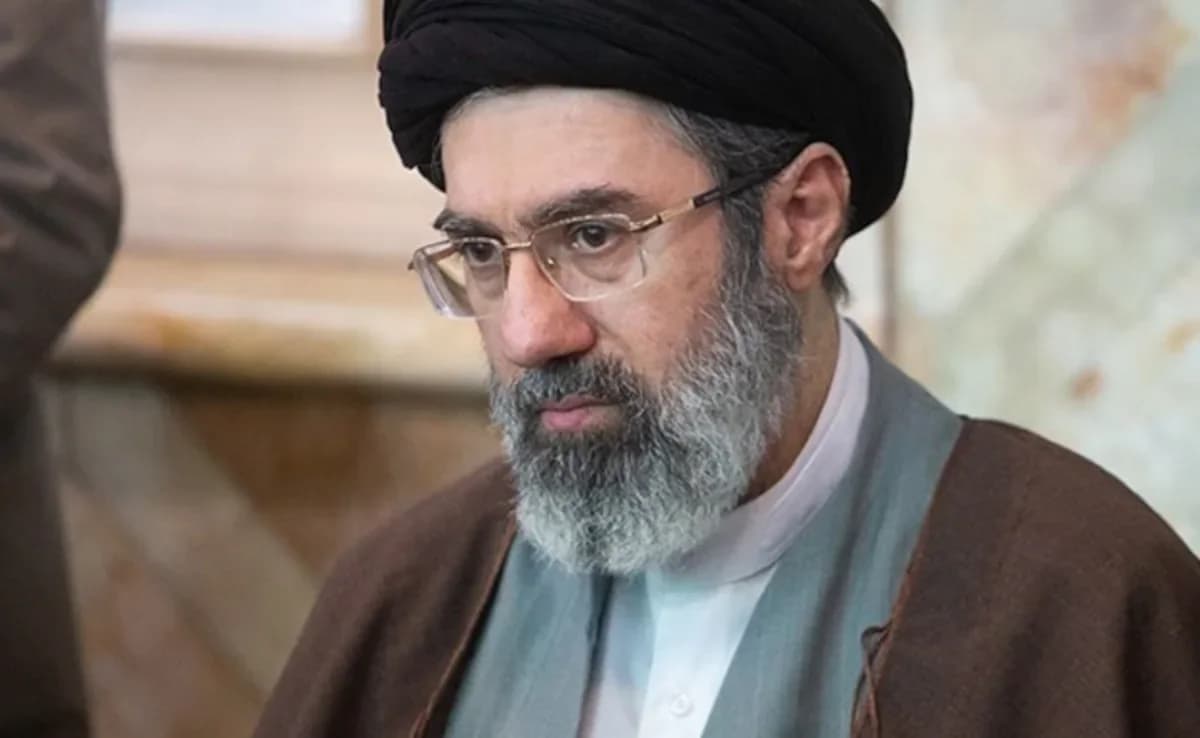
Iranian military officials have issued stern warnings about potential military action by the United States and Israel, with Major General Ali Abdollahi, commander of the Khatam al-Anbiya Headquarters, stating that any new act of aggression by the United States or its allies will be met with overwhelming force, as the Islamic Republic stands stronger and more determined than ever to defend its sovereignty. Brigadier General Mohammad Akraminia, the spokesman for the Army, warned that if the enemy falls into Israel's trap again and launches another aggression against Iran, the Armed Forces will open new fronts using new tools and methods. The Revolutionary Guards have previously stated that any renewed military action by the United States and Israel would trigger a conflict extending well beyond the region. Deputy FM for Legal and International Affairs, Gharibabadi, rejected any notion of surrender, saying the Islamic Republic is united and decisively ready to confront any military aggression. Ghalibaf emphasized that 'we must strengthen our readiness to respond powerfully and effectively to possible attacks,' adding that the US will 'regret attacking Iran again'.
The defiant stance comes amid ongoing regional conflict and US truce talks that have been reported in recent developments. According to Fars News Agency, Khamenei's message was delivered during a commemoration ceremony, highlighting the timing of his remarks during sensitive diplomatic negotiations. The conflict erupted on February 28, when the US and Israel jointly launched attacks on Iran, with a ceasefire remaining in effect since April 8. Ebrahim Azizi, Chairman of the Iranian Parliament's National Security and Foreign Policy Committee, underscored the strategic significance of the Strait of Hormuz, describing the waterway as the Islamic Republic's permanent asset that would remain under the control and management of the Iranian nation. Iranian intelligence forces successfully dismantled four Takfiri militant cells affiliated with the Israeli regime in the country's southeastern province of Sistan and Baluchestan, which borders Pakistan. Iran's Revolutionary Guards navy have reported that 26 vessels transited the Strait of Hormuz over the last day, including oil tankers and container ships, after coordination and security provided by the IRGC navy. About a fifth of the world's oil and liquefied natural gas usually passes through the strait, but Iran closed the shipping route to so-called 'hostile' countries in response to being attacked by Israel and the US on February 28, causing global energy prices to surge.
Diplomatic efforts to resolve the conflict continue with international engagement. Iranian Foreign Minister Abbas Araghchi wrote on X that any 'return to war will feature many more surprises', indicating Iran's readiness for unconventional responses. Meanwhile, Pakistani Interior Minister Mohsin Naqvi has travelled to Tehran for talks with Iranian officials, according to IRNA. This marks his second visit to Iran in less than a week, suggesting ongoing diplomatic efforts to de-escalate tensions. Pakistan's Defence Minister Khawaja Muhammad Asif said that a resumption of the US-Israeli war on Iran is unlikely, given the widespread global opposition and lack of public support in the United States for another war in West Asia. The Revolutionary Guards added that 'the American-Zionist enemy must understand that despite attacks carried out using the combined strength of the world's two most expensive armies, we have yet to unleash the full power of the Islamic Revolution'. Turkish Foreign Ministry has strongly condemned the treatment of activists who were on board the Gaza-bound aid flotilla intercepted by Israeli naval forces, saying Turkey is helping to secure the immediate and safe release of the detained Turkish nationals and other activists.
Donald Trump has told reporters he was in no rush to bring his war on Iran to an end, stating that achieving the mission's objectives was more important than setting a timeline for its conclusion. According to Reuters, the White House said Trump's objectives in Iran were to 'obliterate Iran's ballistic missile arsenal and production capability, annihilate its navy, sever its support for terrorist proxies, and ensure the world's leading state sponsor of terrorism never acquires a nuclear weapon.' US Marines boarded Iranian-flagged commercial oil tanker M/T Celestial Sea in the Gulf of Oman on Wednesday after suspecting it had violated a US blockade, US Central Command said in a statement. US forces released the ship, which was headed toward an Iranian port, after searching it and directing its crew to alter course. Trump also touted the US naval blockade of Iranian ports as 'successful', describing it as 'the wall of steel, nobody goes through it' and claiming that ships trying to go through receive orders to 'DO NOT PROCEED FURTHER OR WE WILL SHOOT.' However, many of Trump's core objectives remain unfulfilled, with Iran still supporting proxy militant groups such as Lebanon's Hezbollah and Yemen's Houthis, and Iran reportedly retaining much of its pre-war missile stockpile despite US-Israeli attacks.