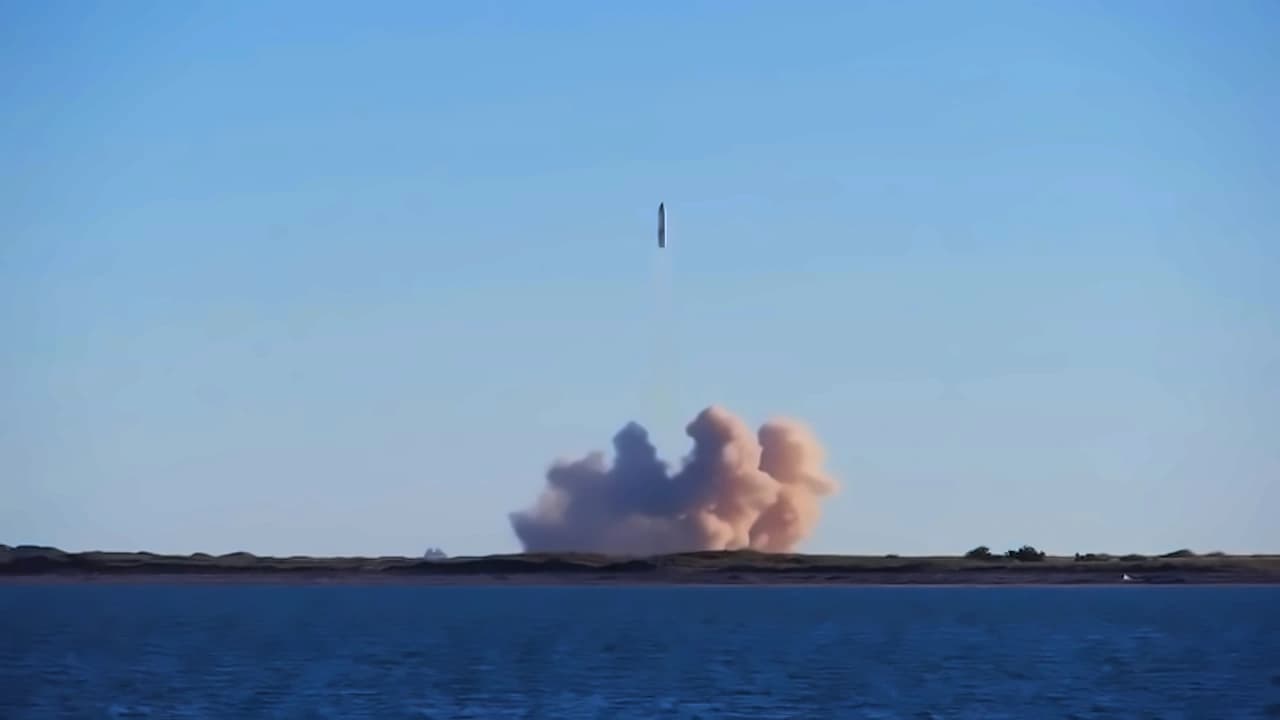
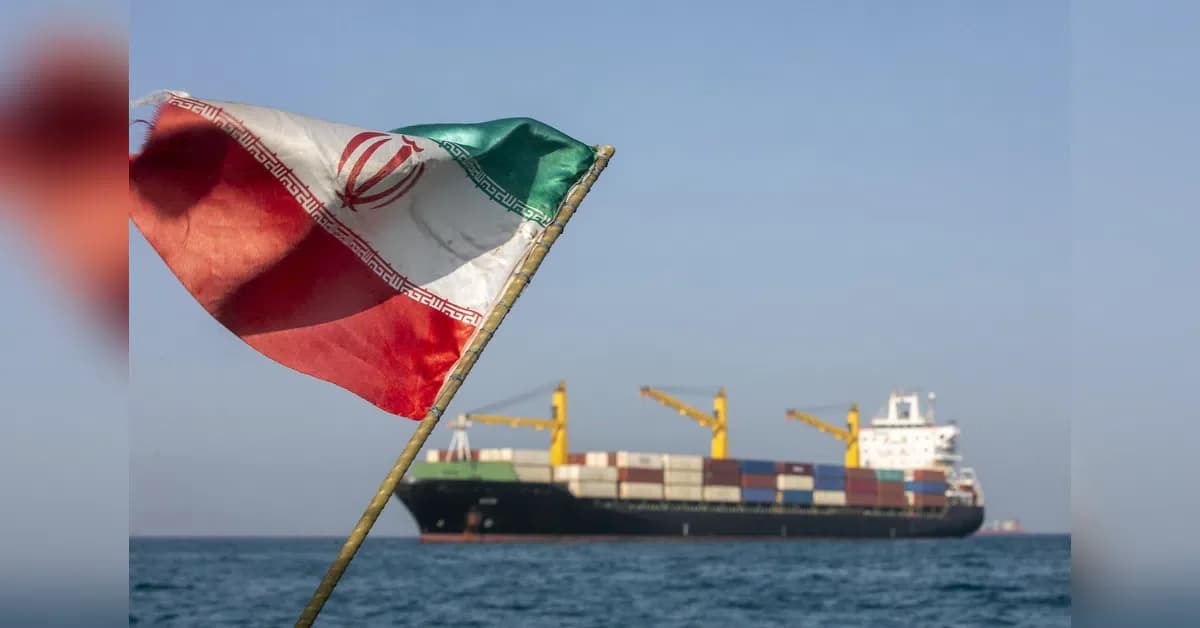
The fragile calm in West Asia has been shattered by fresh US-Iran strikes, clouding the outlook for global oil markets and Indian refiners after last week's easing in crude prices. According to reports from Mint, the latest exchange began after Washington alleged that Iran had targeted another commercial vessel in the Strait of Hormuz. US Central Command responded with fresh strikes on Iranian military targets on Saturday, following which Iran's Islamic Revolutionary Guard Corps (IRGC) attacked US military installations in Kuwait and Bahrain. The weekend military exchanges unfolded while most global financial markets were closed, leaving investors with nearly 48 hours of geopolitical developments to absorb before the first trading session of the new week. As reported by AP, Kuwait intercepted two ballistic missiles with no injuries or damage, while Bahrain said a residential building near the international airport was damaged, with no deaths reported. Bahrain is also home to the US Navy's 5th Fleet, which gives the strike added political and military weight even if Iran appears to have calibrated the attack to avoid mass casualties.
Indian refiners are taking a cautious wait-and-watch approach despite tanker traffic through the Strait of Hormuz beginning to recover and the US temporarily waiving sanctions on Iran until 21 August, as reported by Mint. A refinery executive stated that 'Ships have just started to transit the Strait of Hormuz. Another flare-up in the region would be concerning.' On Friday, Brent and West Texas Intermediate (WTI) crude prices retreated to pre-conflict levels, with August contracts falling 4.34% and 3.74% respectively to settle at $71.99 and $69.23 a barrel. However, the latest military exchanges have raised fresh doubts about the future of negotiations, with oil prices having eased as hopes grew that diplomatic efforts would reduce the immediate risk of supply disruptions before the renewed exchange of military action changed market calculations. According to Reuters, the weekend attacks could restore some risk premium when futures reopen, but the bigger market signal will be tanker movement, insurance costs, shipowner willingness to use the Omani lane and whether Iran shifts from harassment to sustained interdiction.
According to data from S&P Global, 78 vessels transited the Strait of Hormuz on 24 June—the highest daily count since the conflict began and equivalent to 57% of pre-conflict volumes. As reported by Mint, 33 of these vessels, mostly outbound, used the new Omani safe corridor, while eight vessels went 'dark' during transit due to interference with ship-tracking signals. India's ministry of external affairs confirmed that 11 India-bound vessels crossed the Strait of Hormuz since the MoU was signed on 17 June, including three Indian-flagged crude oil tankers carrying more than 285,000 metric tonnes each. Despite the weekend escalation, commercial shipping continued moving through the Strait of Hormuz under heightened security, while shipping companies and insurers reassessed operational risks ahead of a new trading week. However, Reuters reports that the core dispute is bigger than the latest exchange: who controls traffic through Hormuz, and under what rules. The U.S. and partners are pushing safe passage coordination and an expanded route closer to Oman, while Iran insists it must oversee the strait and has warned against 'new or separate arrangements' outside its control.
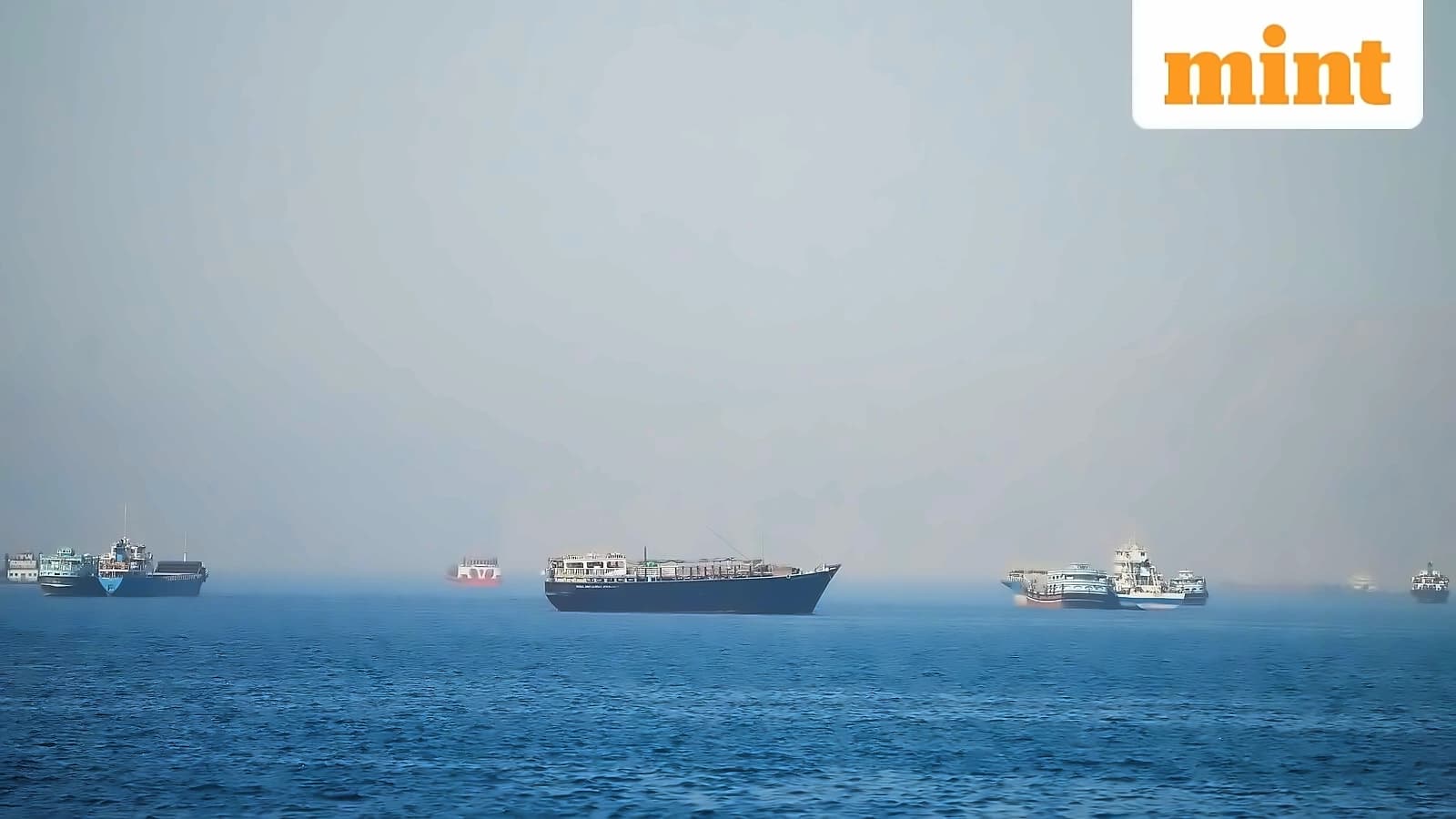
The conflict's impact extends beyond oil to critical agricultural supplies, with fertilizer shipments through Hormuz having begun picking up after the interim deal, including sulfur and urea shipments, but traffic remained far below normal and analysts warned that a meaningful recovery could take time. As reported by Reuters, before the war, about one-third of globally traded urea and nearly half of seaborne sulfur moved through the strait, making Hormuz not just an oil chokepoint but a fertilizer and food-security chokepoint. Renewed attacks could slow the easing in fertilizer markets, particularly if shippers refuse to send empty carriers back into the Gulf to pick up fresh cargoes. The agricultural implications are significant as Iran has threatened a 'complete halt' in talks if US attacks continue, signaling it can put Gulf bases, shipping lanes and regional governments under pressure if it believes Washington is rewriting the terms of the maritime deal.
According to Jim Burkhard, vice president and head of research for oil markets at S&P Global Energy, Brent crude could remain around $70-75 per barrel in the near term before rising to $80-90 per barrel in the second half of 2026 as inventories tighten, as reported by Mint. He noted that even if flows through the Strait of Hormuz and Gulf production recover, global oil inventories would continue to tighten through June and July. However, a prolonged increase in oil prices would still affect India's economy, with higher crude prices increasing the country's import bill, placing pressure on the rupee and making inflation management more challenging for policymakers. Rising shipping insurance costs could also increase the landed cost of imported crude even if export volumes remain unchanged. The latest escalation adds uncertainty to these projections, with the ceasefire now under severe stress and the region facing a dangerous loop where Iran hits shipping or arrangements outside its control.