President Donald Trump has escalated his warnings to Iran, declaring that any retaliation would trigger a devastating response. In a post on Truth Social, Trump warned Iran of a much harder US attack if Tehran retaliates after fresh strikes near the Strait of Hormuz. 'If the failed Nation of Iran retaliates for this very justified attack, they will be hit again at a much harder and higher level, but it will not be the biggest attack of them all, that is waiting in the wings and, when it is over, there will be very little left of the Islamic Republic of Iran!' Trump stated. According to Trump Social, the US strikes were carried out near the Strait of Hormuz in response to what he described as Iran's failed attempt to lay sea mines in the strategic waterway. He also confirmed that Iran had fired eight missiles at a US military base in Jordan, all of which were intercepted.
President Donald Trump has vowed to strike Iran 'hard' after the two countries exchanged their first publicly confirmed attacks in weeks. According to Fox News, Trump told Trey Yingst that 'there will be a response' to strikes Iran launched against U.S. forces in Jordan overnight in retaliation for an American attack on an island in the Strait of Hormuz. The escalation marks a resumption of military action after a roughly month-long pause in operations. CENTCOM spokesperson Capt. Tim Hawkins confirmed the strike in a statement to TIME, describing the Sunday attack as 'limited, precise action against IRGC minelaying forces posing an imminent threat' to the strait. The Islamic Revolutionary Guard Corps (IRGC) issued a statement saying Iran would respond to the attacks on Larak Island 'with punishment for the aggressor'. IRGC spokesman Sardar Mohebi warned that the US would 'regret' its latest attack and face 'severe punishment'.
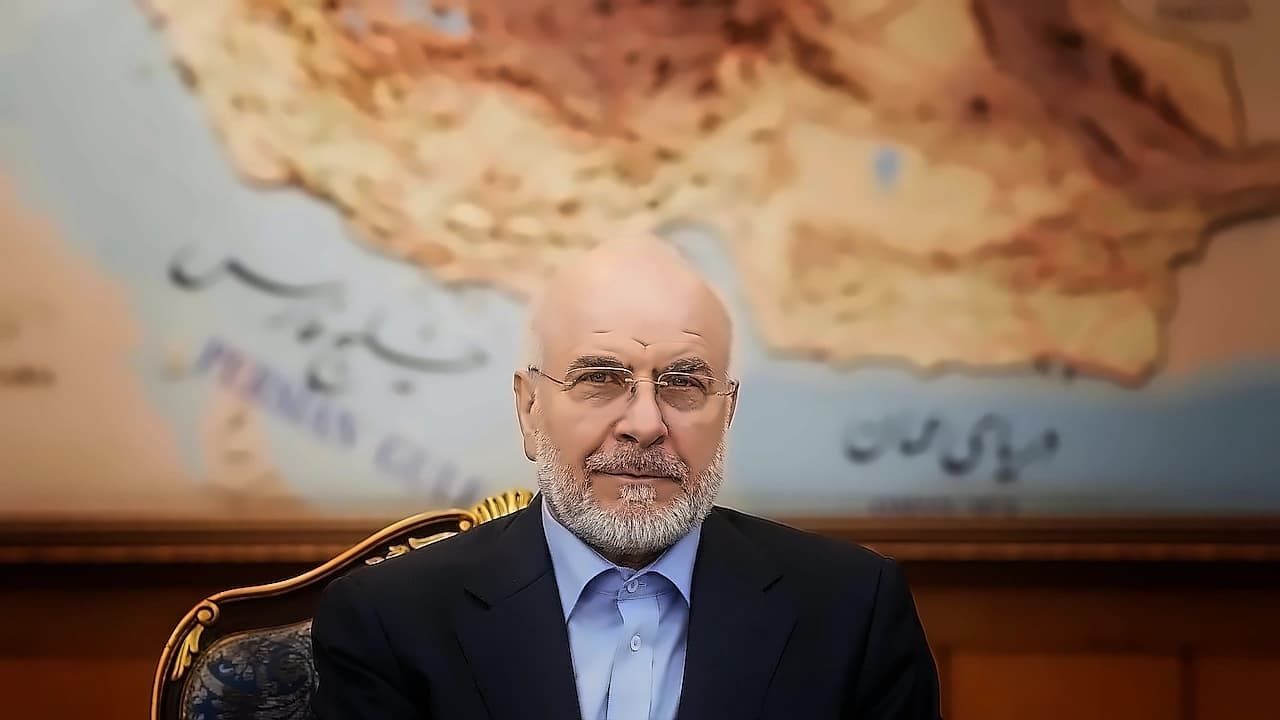
The latest military action comes amid ongoing tensions over control of the Strait of Hormuz, one of the world's most important energy transit routes. According to Clash Report, Iranian Parliament Speaker Mohammad Bagher Ghalibaf has accused the US of attempting to use the southern route through the strait in violation of an agreement, saying Tehran would prevent such efforts. He claimed that before the war, at least 120 vessels crossed the strategic waterway each day, while current traffic of just one or two ships remains significantly below those levels. Ghalibaf maintained that Iran's Armed Forces were challenging US efforts to move limited numbers of vessels through the strait and claimed full control over the waterway. The war has led Iran to militarize and largely close the strait, through which about a fifth of global oil production typically passed before the hostilities began.
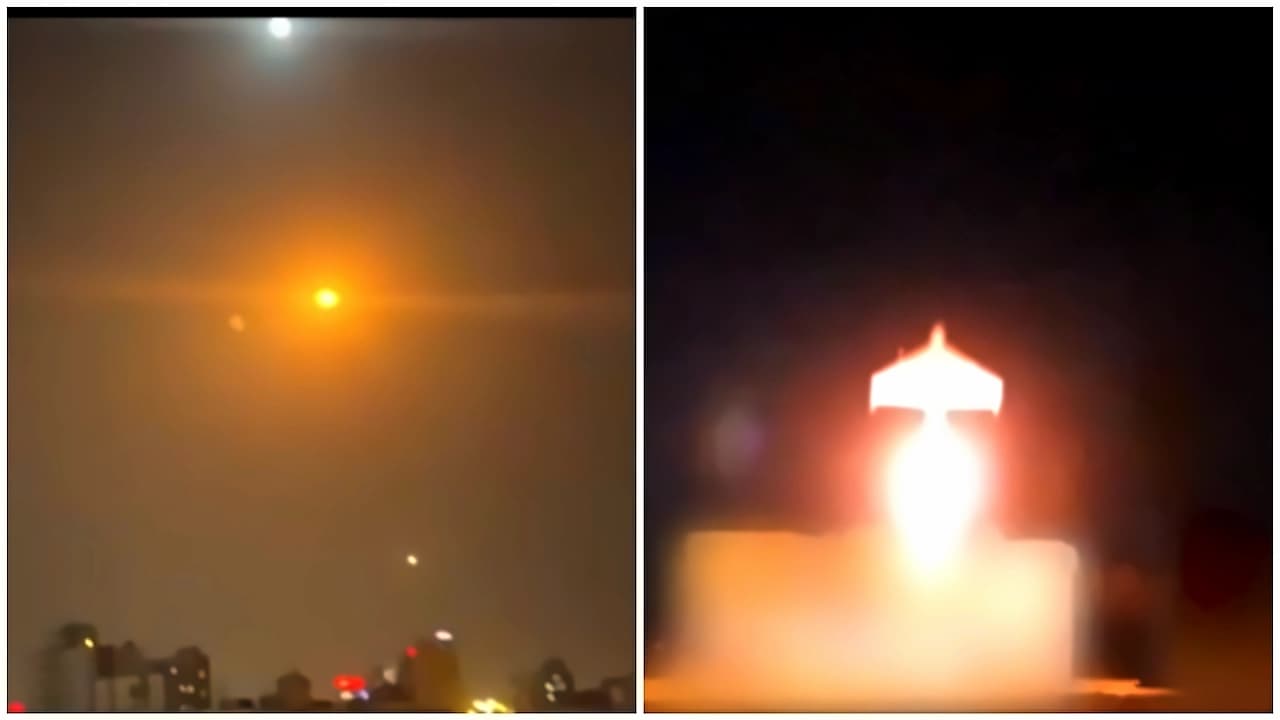
Iran has responded to the latest U.S. strikes with significant military action of its own. According to IRNA, the IRGC launched ballistic missiles at a U.S. air base in Jordan and warned that 'every shot will be met with more devastating responses'. Jordan's armed forces confirmed they intercepted eight missiles that entered the country's airspace early Monday morning. The retaliation follows U.S. forces attacking two Iranian rocket launchers on Larak Island, where Iran's Islamic Revolutionary Guard Corps (IRGC) forces were observed preparing to launch rockets with sea mines into the strait. Last week, U.S. forces finished clearing sea mines from the strait's international shipping routes, with CENTCOM stating that 'U.S. forces are monitoring the area closely and remain prepared to protect the free flow of commerce' through this essential waterway.
The latest military action represents the latest chapter in a conflict that began on February 28 when the U.S. and Israel launched attacks across Iran. According to TIME, Trump described the operation as a 'massive and ongoing' campaign intended to eliminate what he called imminent threats from the Iranian regime. The war has been complicated by U.S.-Iranian negotiations over Tehran's nuclear program failing to produce an agreement and Iran's deadly crackdown on nationwide protests. Trump had accused Iran of rebuilding its nuclear capabilities following U.S. and Israeli strikes on three major Iranian nuclear sites in June 2025, though Iran has consistently denied seeking a nuclear weapon. The conflict has also involved Iran's Supreme Leader Ayatollah Ali Khamenei being killed in the opening salvo, leading to Iran retaliating by firing missiles at Israel, U.S. military bases and other sites across the Middle East.