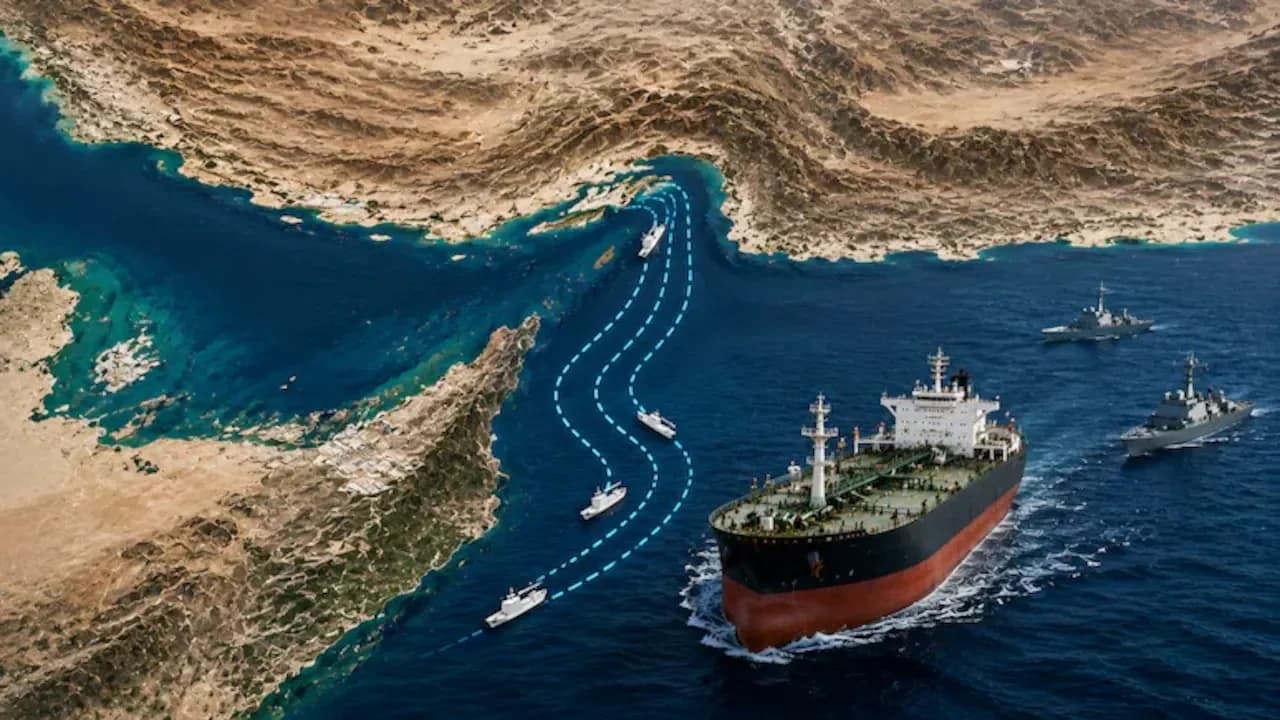
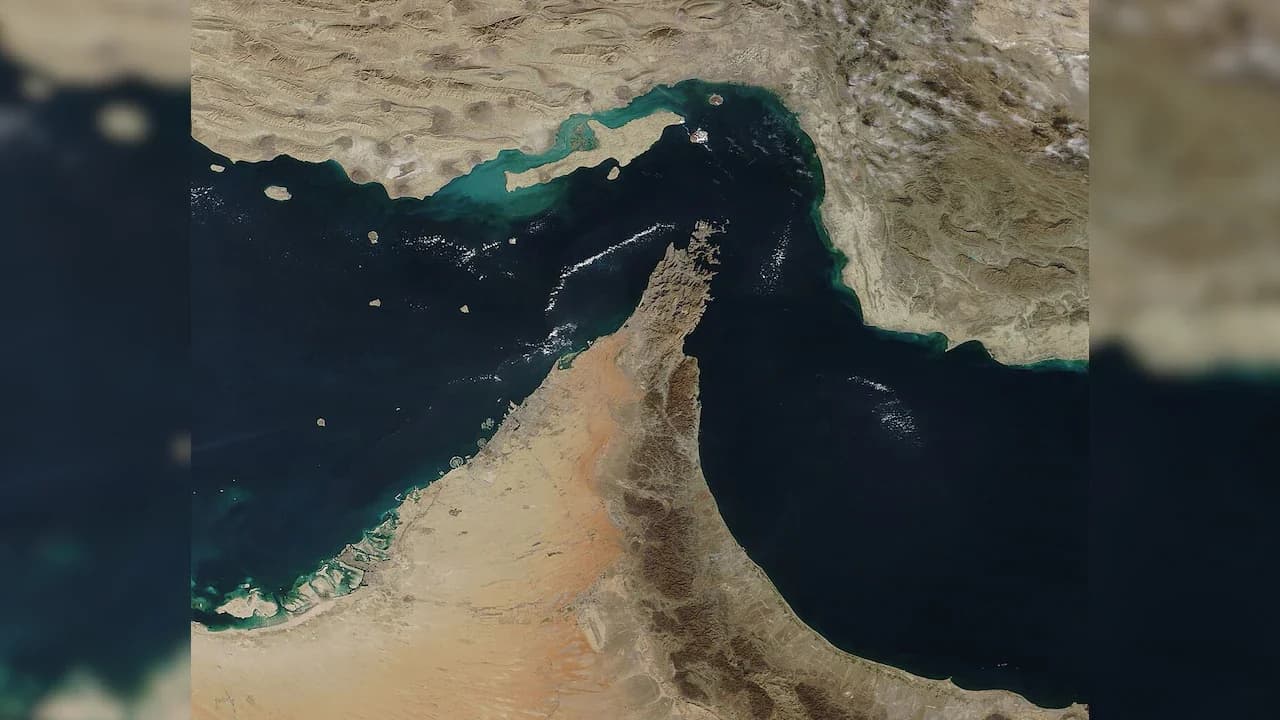
The latest developments show US military action has intensified with strikes on Iran's Qeshm Island in the Strait of Hormuz, according to the US Central Command. The US military said it carried out these strikes in response to what it described as 'attempted attacks by Iran across the Middle East'. The escalation began with US forces firing a Hellfire missile at a Botswana-flagged tanker sailing through international waters towards Iran's Kharg island, disabling the vessel after its crew allegedly ignored repeated warnings for over 24 hours. Iran retaliated by firing ballistic missiles and drones at US bases in Kuwait and Bahrain, according to the US Central Command, with Iran's Revolutionary Guards confirming they fired drones and missiles targeting US installations in response to the US attack on Qeshm Island. Governments in the Gulf region reported drone attacks on Wednesday, with Kuwait's air defenses confronting "hostile missile and drone attacks" while the country urged citizens to adhere to security instructions, and Bahrain's interior ministry sounded warning sirens urging residents to seek shelter.
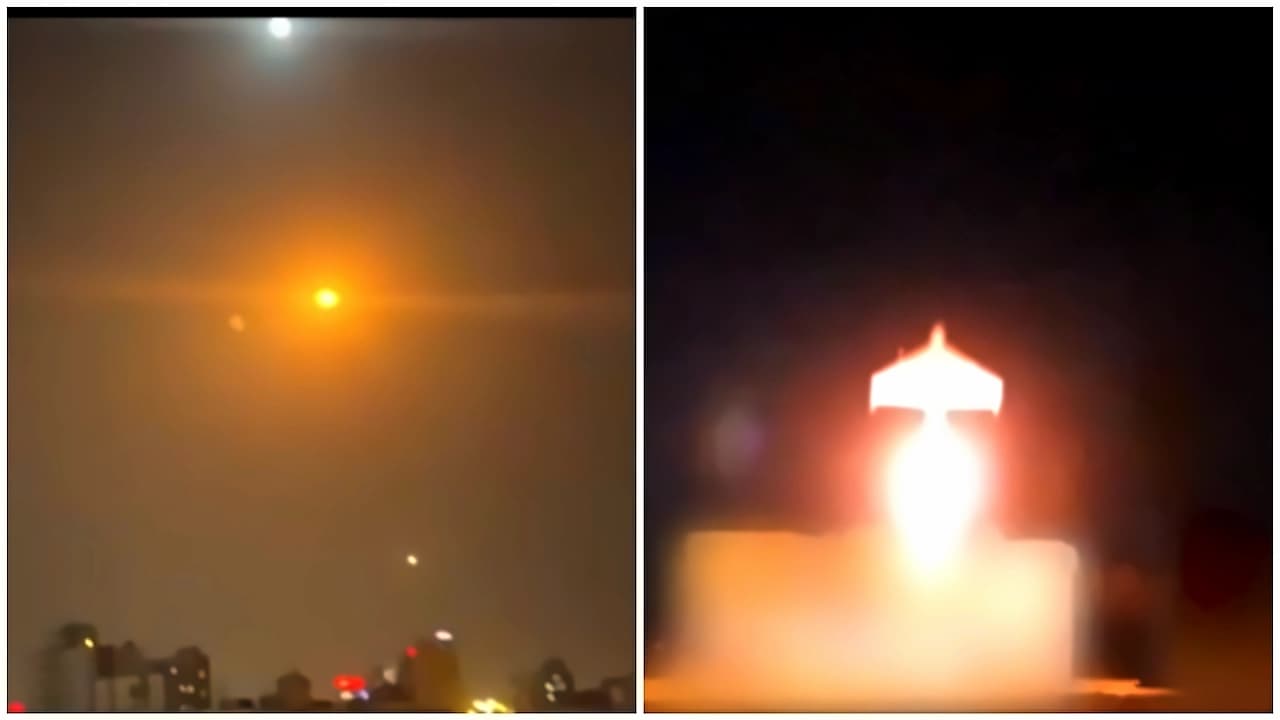
Iran has claimed that its naval forces successfully targeted an American military vessel operating a 'command and control centre' within the Sea of Oman, according to the Iranian news agency Tasnim. The Iranian military justified the hostile action by stating that the operation was carried out following American assaults on Iranian commercial shipping vessels and an alleged 'violation of Strait of Hormuz regulations'. However, the United States Central Command (CENTCOM) quickly dismissed the maritime claim, with the military command stating on social media platform X: 'CLAIM: Iran is now claiming it has targeted a US Navy destroyer in the Gulf of Oman.' Rejecting the assertion, CENTCOM stated: 'TRUTH: Iran is lying. US military assets at sea continue to fly, sail, and operate safely and unimpeded.' This high-seas confrontation unfolded just hours after Tehran unleashed a heavy salvo of missiles aimed directly at American military installations situated across Kuwait and Bahrain.
The regional fallout from Iran's military manoeuvres has resulted in significant civilian casualties and infrastructure damage. Kuwaiti health officials confirmed that one person was killed and 63 others were left injured during the airfield strike at Kuwait International Airport. The country's Foreign Ministry disclosed that the incoming projectiles damaged foreign diplomatic facilities, though it refrained from naming the specific missions impacted. India's Ministry of External Affairs confirmed that the deceased victim was a citizen of India, with the ministry stating: 'We again call on all parties to cease such attacks' on non-military infrastructure. Kuwaiti Defence Ministry spokesman Saud Abdulaziz Al-Atwan stated that 30 ballistic missiles and unmanned aerial vehicles were deployed during what he termed a 'heinous Iranian aggression' that caused 'significant material damage to the building'. The country's civil aviation management temporarily froze all airfield operations and rerouted incoming commercial flights after Terminal One came under Iranian attacks causing casualties and damage.
The strike on the M/T Lexie marks the sixth ship disabled since US President Donald Trump initiated a naval blockade on April 13 to force Tehran into peace negotiations, as confirmed by US Central Command. US forces have also redirected 102 other vessels attempting to access Iranian ports, demonstrating the extensive scale of the maritime blockade operation. The US launched a 'self-defence' counter strike against an Iranian ground control station on Qeshm Island, while the Islamic Revolution Guards Corps claimed they hit the US 5th Fleet headquarters and US vessel MSC Panaya, which CENTCOM labelled as 'false' on their official X handle. The Pentagon announced that its regional forces had 'successfully defeated' a series of Iranian missile and drone salvos tracking towards Kuwaiti and Bahraini territories before US units conducted retaliatory strikes on Qeshm Island. CENTCOM stated that 'All Iranian attacks on American forces failed' and that two Iranian missiles fired at Kuwait fell short or broke apart en route, and three missiles launched at Bahrain were immediately intercepted by US and Bahrain air defense forces.
The conflict has triggered harsh criticism from neighbouring Gulf states, with former Qatari Prime Minister Sheikh Hamad bin Jassim bin Jaber Al Thani condemning Tehran's persistent offensives as 'astonishing' and 'unjustifiable' amidst the deteriorating security landscape. Al Thani openly questioned the strategic rationale behind Iran's recent barrages against Bahrain and Kuwait, indicating there were substantial grounds to investigate whether these operations had been planned beforehand. While reinforcing Qatar's long-standing diplomatic interest in preserving constructive ties with Tehran, he explicitly warned that Doha would not be 'blackmailed' by Iran. Despite earlier reports of a tentative deal reached last week to halt the war, the two sides have yet to sign off on any agreement. President Donald Trump disputed the claim and said talks were continuing, according to multiple reports. The renewed attacks happened after Iran stopped communicating with mediators about extending a ceasefire in the war with the US and Israel, as reported by semiofficial Iranian news agencies.