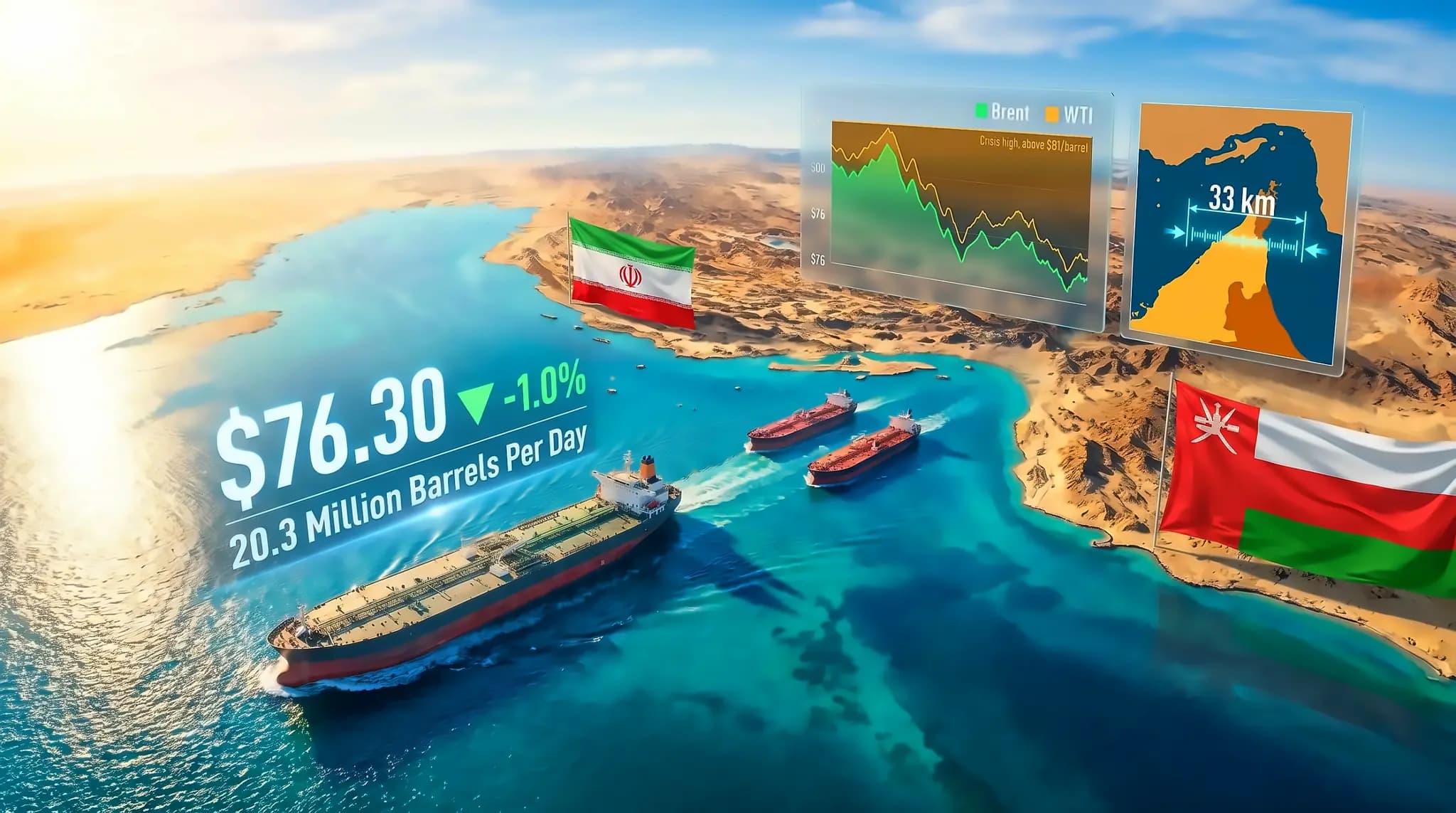
Iran has rejected Oman's proposal for a 50-50 arrangement to manage shipping through the Strait of Hormuz, instead pushing for greater control over both inbound and outbound traffic. According to Iranian state television, Iran's Deputy Foreign Minister Kazem Gharibabadi stated that Oman had proposed a formula where the inbound route would run through one country's waters and the outbound route through the other's. Tehran rejected this formula, arguing it failed to address Iran's security concerns. Instead, Iran proposed that one shipping lane run entirely within its territorial waters, with part of the second lane also passing through Iranian waters. As per Iranian state television, Gharibabadi explained that 'Our proposal is for one route to lie entirely within the territorial waters of the Islamic Republic of Iran... so that Iran can effectively exercise oversight over both inbound and outbound traffic'. This represents a significant shift from Oman's original proposal, which would have given Iran no exclusive control over the strait. A senior Iranian official told Reuters on Wednesday that Iran has ruled out Oman's proposal for regional joint management, saying it has no chance of success. The official also accused the US and Saudi Arabia of trying to pressure Oman to advance their 'unrealistic plans' regarding the strategic strait.
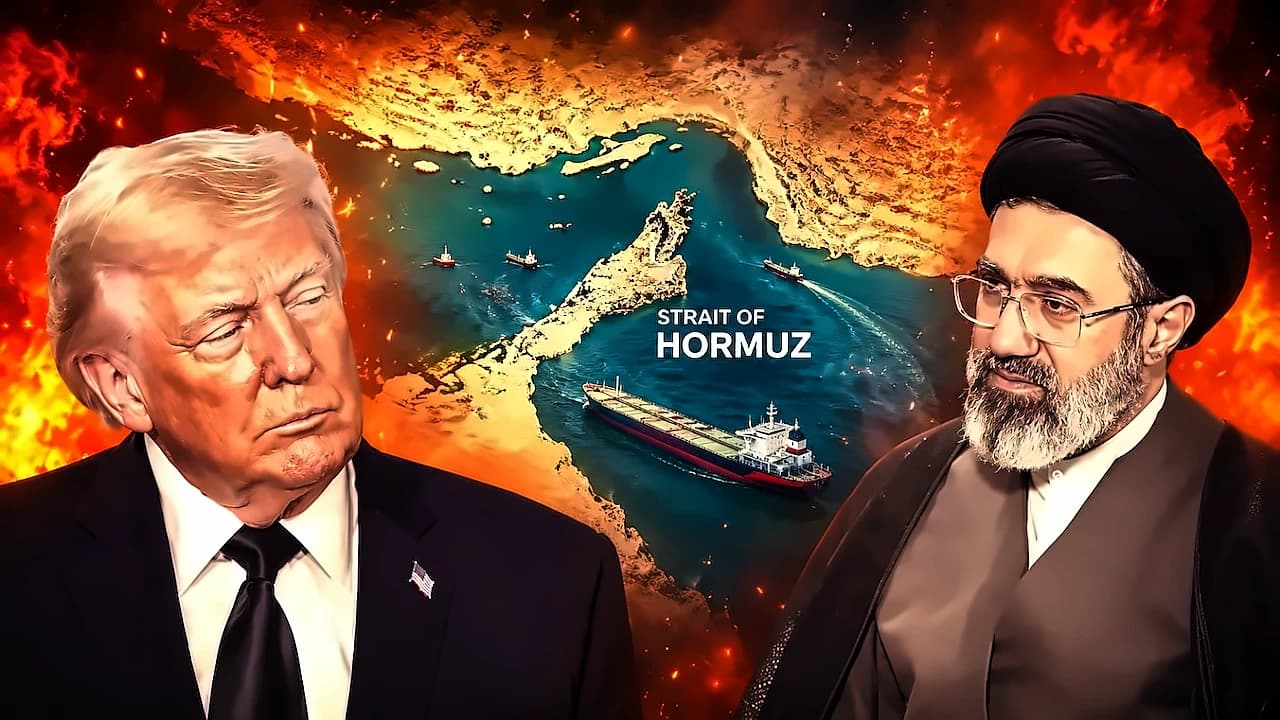
Iran has issued a stern warning against countries accepting money from its frozen assets, threatening to bar ships from transiting the Strait of Hormuz. According to a statement issued on July 28 by Brigadier General Ebrahim Zolfaghari, spokesperson for Iran's Khatam al-Anbiya Central Headquarters, the warning was delivered in a video message shared by Clash Report. Zolfaghari stated that any company or country accepting money from Iran's frozen assets would be prohibited from using the strategic waterway. The warning specifically targets countries and companies acquiring frozen Iranian funds under US President Donald Trump's plan to compensate vessels damaged in the waterway. As per Tasnim News Agency and IRNA, the statement was carried by Iranian state media, with Zolfaghari warning that 'From now on, the Armed Forces of the Islamic Republic of Iran will not allow any of their vessels to pass through the Strait of Hormuz'. According to Reuters, the warning comes as Iran has issued stern warnings against countries accepting money from its frozen assets, threatening to bar ships from transiting the strategic waterway.
The warning comes as Trump announced on July 23 via Truth Social that until further notice, any damage to ships, cargo or anything related to them would be compensated with Iranian funds "occupied and controlled" by the US. Iran's military spokesman accused the US of trying to use Iran's frozen assets to compensate for ship damage caused by what he called illegal intrusions into shipping lanes south of the Strait of Hormuz and efforts to stir instability. The Iranian military characterized this move as 'an aggressive and illegal measure' aimed at fueling instability in the region. According to the latest statement, Zolfaghari accused the US of creating insecurity through its military actions and described the compensation plan as 'an illegal decision' that would face consequences. Iran's unified military command also rejected Trump's proposal to use frozen Iranian assets to compensate shipping companies, warning that any country or company accepting such payments would be barred from using the Strait of Hormuz.
Despite the pause in missile strikes between the two sides for the past three days, Iran alleges that the US Navy continues to enforce restrictions on vessels traveling to and from Iranian ports. According to an NDTV report, Iranian officials warned that any attempt to disrupt the country's maritime trade would be viewed as an expansion of the conflict in West Asia and would not go unanswered. The country has accused the United States of escalating tensions by continuing what it describes as a naval blockade. Following attacks by Israel and the United States on February 28, Iran effectively closed the strait to all vessels except its own. The waterway partially reopened under an agreement between Washington and Tehran last month, but that arrangement collapsed in early July after Iran fired on ships using a channel it had not authorised.
According to Qatar's Foreign Ministry, foreign ministers from the Gulf Cooperation Council (GCC) held a video conference on Tuesday to discuss the latest developments in the conflict, including ways to strengthen cooperation on ensuring the safety and freedom of navigation through the Strait of Hormuz. The latest U.S. military campaign, launched earlier this month alongside Israel, was aimed at ending Iran's control over the strategic waterway. Before the conflict, nearly one-fifth of the world's oil and liquefied natural gas passed through the Strait of Hormuz. Washington argues that mandatory transit fees would violate international law and has called for a return to the pre-war system, under which ships passed freely without charges.