Iran and US-allied Oman are moving forward with plans to collect payment for ships transiting the Strait of Hormuz, despite public American objections. According to Business Standard, Iranian officials and four diplomats with knowledge of the matter confirm that Oman recently delivered a formal proposal to the United States and other Western allies outlining a plan where shipping companies would pay service fees to use the strait. However, a person familiar with the US position said that American negotiators had received the Omani proposal and had concerns that they intended to discuss with Omani officials. The proposal mentions voluntary fees rather than mandatory tolls, with the Iranian official stating that payments would be obligatory while Omani officials maintain they would be voluntary. This represents a significant change from prewar status when the strait was an international shipping route that vessels sailed through free, carrying oil and gas from the Persian Gulf to the rest of the world.
Iran has significantly escalated its demands for control over the Strait of Hormuz ahead of fresh US negotiations, with Deputy Foreign Minister Kazem Gharibabadi warning that Iran could move ahead with its own plans if no agreement is reached with Oman. As reported by Business Standard, Gharibabadi stated that Iran wants to work out an agreement with Oman to oversee ships passing through Hormuz, but will move forward with its own plans to control traffic "if for any reason Oman is not interested in doing so." He emphasized that "We have warned the Omanis that other countries have no right to interfere in this matter," and said Iran will designate any temporary transit routes in the strait. This represents a clear escalation from previous positions, as Iran previously demonstrated its ability to disrupt traffic through limited attacks on the waterway that sent the global economy into a tailspin. Gharibabadi said that Iran and Oman would start talks during the next week to discuss arrangements for the strait, including the collection of fees from passing ships and changes to existing shipping routes.
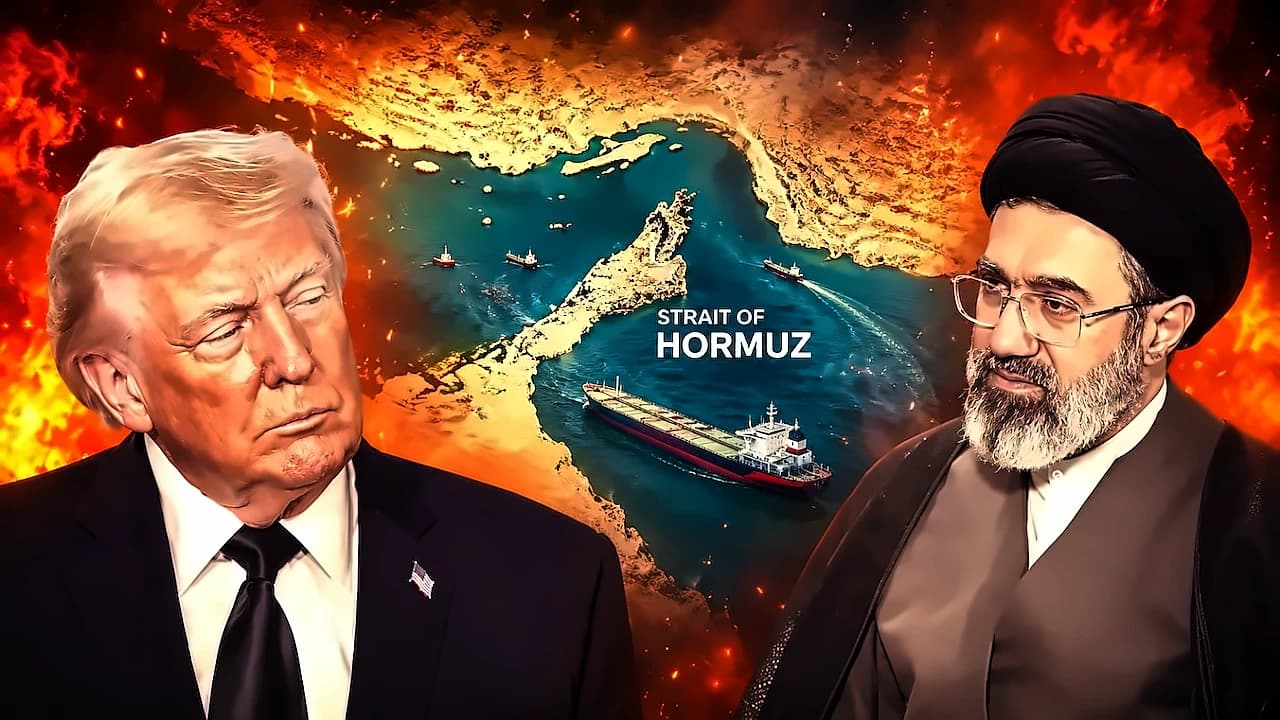
The US has confirmed that talks are set to take place in Doha, Qatar on Tuesday, with Trump's special envoy Steve Witkoff and son-in-law Jared Kushner set to attend according to the White House. However, Iran has not confirmed the details of a fresh round of negotiations to permanently end the four-month war, with Gharibabadi stating "the Americans are traveling to Doha, but we have no plans to meet with them" while conceding that delegates would be there to follow up on implementation of the interim agreement through Qatari mediators. US Secretary of State Marco Rubio told reporters in Bahrain last week that the United States would oppose any scenario in which use of the strait was monetized, regardless of whether it was called "a fee or a toll or a donation." Speaking in the Oval Office on Monday, President Trump declined to say whether he thought the new talks would lead to a breakthrough, making clear his focus remains on keeping nuclear weapons out of Iran's hands. As recently as last week, Trump called the idea of collecting tolls or fees for passage through the strait "unacceptable," with the President initially threatening to bomb Oman if it didn't "behave just like everybody else."
Commercial shipping operations have continued despite recent tensions, with oil tankers continuing to navigate the strait despite the attacks. According to ship-tracking data compiled by Bloomberg, a trio of tankers was heading toward the strait inbound late on Monday while two successfully sailed out of the waterway earlier in the day. Two more oil supertankers, including one that turned back last week, appeared to be making another move toward departing the Persian Gulf. This recovery addresses the critical commercial psychology that had revealed profound asymmetry in geopolitical risk exposure, with 84-89% of normal strait throughput destined for Asian markets bearing the overwhelming majority of disruption risk. With Brent crude prices having traded near $76 per barrel as of late June 2026, markets had been pricing a scenario somewhere between full normalization and renewed breakdown, but the latest developments suggest a more optimistic outlook for sustained commercial operations.
The crisis intensified when Oman and the UN International Maritime Organisation designated a new route through the waterway that passed only through Omani territorial waters, which could have threatened the linchpin of Iran's entire strategy to make sure it alone controlled the strait. Iran responded by attacking a cargo ship in the strait, followed by a second strike on Saturday, with the International Maritime Organization then halting an effort to evacuate hundreds of stranded ships in the waterway. Arsenio Domínguez, secretary general of the International Maritime Organization, has said that tolls or any system that interferes with the principle of freedom of navigation through international waterways would not be in accordance with international law. However, on Monday, Domínguez said a voluntary fund for the Strait of Hormuz could be feasible, noting that he has had conversations with Omani officials about "management of the strait," including discussions about the arrangement in the Straits of Malacca and Singapore. Three European diplomats said that, initially, Omani officials had portrayed their efforts as an attempt to find a backup plan to try to facilitate the flow of maritime trade if the conflict continued, with European countries now focused on making sure any fees are done in a way that doesn't violate international law.
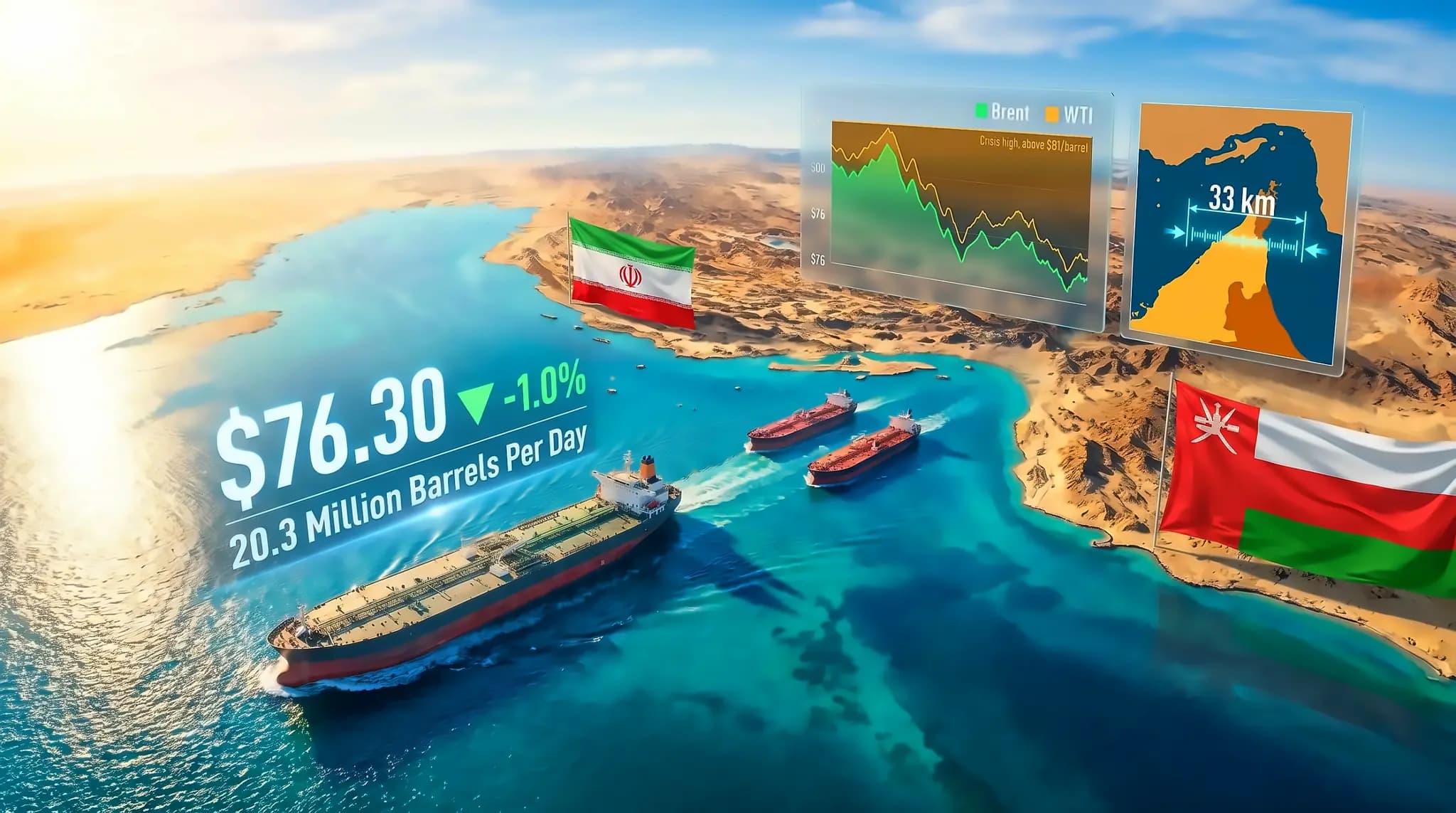
The fragile peace process faces ongoing challenges as both sides maintain their strategic positions. Most political analysts expect Washington and Tehran to continue to extend their initial 60-day negotiating period for many months, but repeated flare-ups in violence may mean the already fragile peace process drags on with little progress. The framework peace agreement signed this month addressed the Strait of Hormuz, ensuring "the safe passage of commercial vessels with no charge," but only for a period of 60 days while negotiations to define specifics carried on. The agreement stipulated that Iran and Oman should start a "dialogue" about what happens in the shipping route after that period. Iran's foreign minister, Abbas Araghchi, told state television this month that the Strait of Hormuz would not return to its prewar status, when passage was free, with Iran's lead negotiator Mehdi Mohammadi stating that "there is no free service anywhere in the world" and that Iran "affords no free service." The economic and military costs of a return to conflict produce enough incentives for both sides to keep the memorandum alive, with Iran facing economic disaster and oil sanctions waivers while the Trump administration seeks to avoid the domestically unpopular war. However, the repeated violations of the ceasefire suggest that the fragile peace process may continue to drag on with little substantive progress on the core issues.