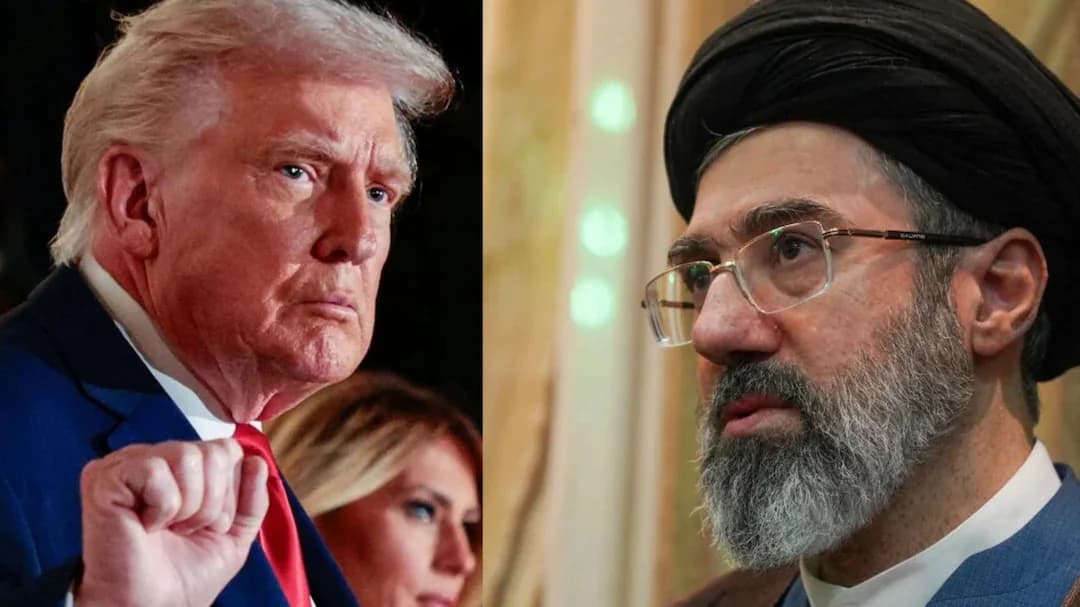
The White House has firmly rejected Iranian state television reports about a draft memorandum of understanding, calling the reports 'a complete fabrication'. As reported by the White House's Rapid Response account, 'This report from Iranian controlled media is not true and the MOU they 'released' is a complete fabrication. Nobody should believe what Iranian state media is putting out. FACTS MATTER.' The rejection comes as President Trump held a Cabinet meeting Wednesday, where he vowed to strike a favorable deal to end the war with Iran, warning that the regime's efforts to outlast him won't work because 'I don't care about the midterms.' Trump expressed confidence that the US would soon reach an agreement, though he cautioned that his administration is not yet satisfied with the terms, stating 'Either that, or we'll have to just finish the job.' He later added that 'the deal has got to be perfect' and insisted that 'the strait's going to be open to everybody' and that the US will 'watch over it,' adding that 'nobody's going to control it.'
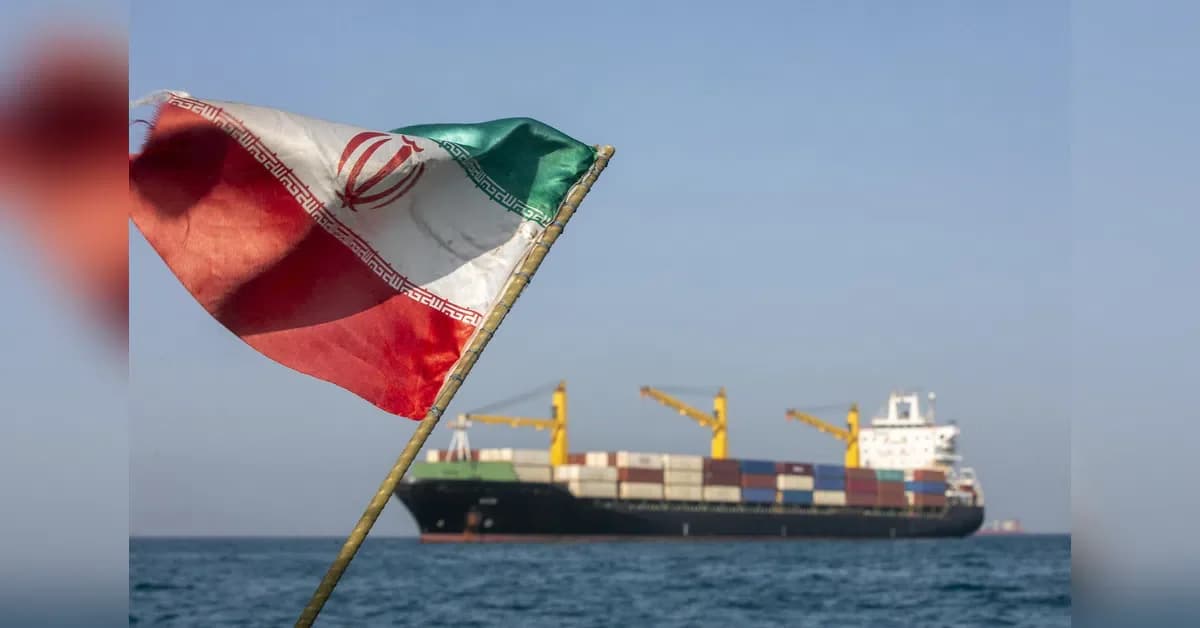
Iran has obtained a draft of an initial unofficial framework for a memorandum of understanding (MoU) between Tehran and Washington, according to Iranian state television reports. As reported by Reuters, the draft framework proposes that US military forces withdraw from areas near Iran and lift the naval blockade around the country. In return, Iran has committed to restoring the number of commercial transit ships moving through the Strait of Hormuz to levels seen before the conflict within one month. The latest reports from Iranian state TV confirm that military vessels are not included in the draft agreement, focusing specifically on commercial shipping operations. However, the White House's categorical rejection of these reports suggests the framework may not represent official US positions. Iranian state TV did not mention Iran's nuclear programme, which the US wants dismantled, and said the issue of US troops in the region needed further discussion.
According to Reuters, the management and routing of ship traffic through the Strait of Hormuz will be overseen by Iran in coordination with Oman. This arrangement represents a significant shift in regional maritime governance, with Iranian state TV describing the framework as the 'Islamabad Memorandum Framework' which has not yet been finalised. The coordination with Oman suggests a multilateral approach to managing the critical shipping route, with Trump stating that Oman, on the southern shores of the strait, would have to play its part in the process as well. The strait is covered by international law that guarantees foreign vessels the right to pass through. However, President Trump has indicated a different approach, stating that 'the strait's going to be open to everybody' and that the US will 'watch over it,' adding that 'nobody's going to control it.'
Key sticking points in the talks have included reopening and management of the Strait of Hormuz waterway, through which a fifth of the world's oil and liquefied natural gas flowed before the conflict. U.S. Secretary of State Marco Rubio told the cabinet meeting that 'there's been some progress and some interest, and we'll see over the next few hours and days whether progress could be made.' However, Iran's deputy secretary of the Supreme National Security Council, Ali Bagheri Kani, told reporters that 'As long as we have not agreed on all issues, we consider that nothing has been agreed.' Iranian sources have said talks on the nuclear issue will come in a second round of negotiations - something that may not be acceptable to some of Trump's closest supporters. Iran says its nuclear programme is for peaceful purposes only.
Oil prices fell more than 5% after the Iranian television report, before retracing about a fifth of that fall. The U.S. military has some 15,000 troops enforcing a blockade of Iran and has thousands of additional forces at bases throughout the region, including in Gulf states like Qatar, the United Arab Emirates and Bahrain. U.S. naval vessels, some with thousands of sailors and Marines aboard, regularly transit the region, stopping in ports including in Oman. Iran's Islamic Revolutionary Guards Navy said on Wednesday that 23 ships including oil tankers, container ships and other commercial vessels passed through Hormuz with its permission in the previous 24 hours, a fraction of the 125 to 140 vessels passing through before the conflict. The war has killed thousands and caused an unprecedented oil supply shock, pushing up the costs of fuel, fertilizer and food, while also creating political problems for Trump at home.