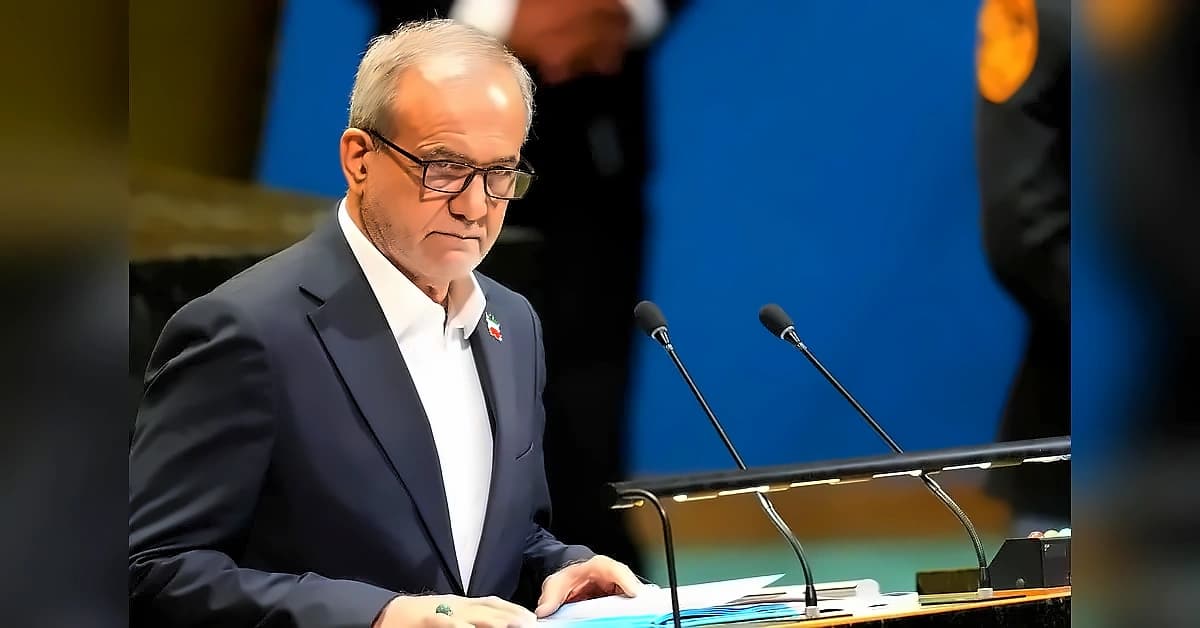
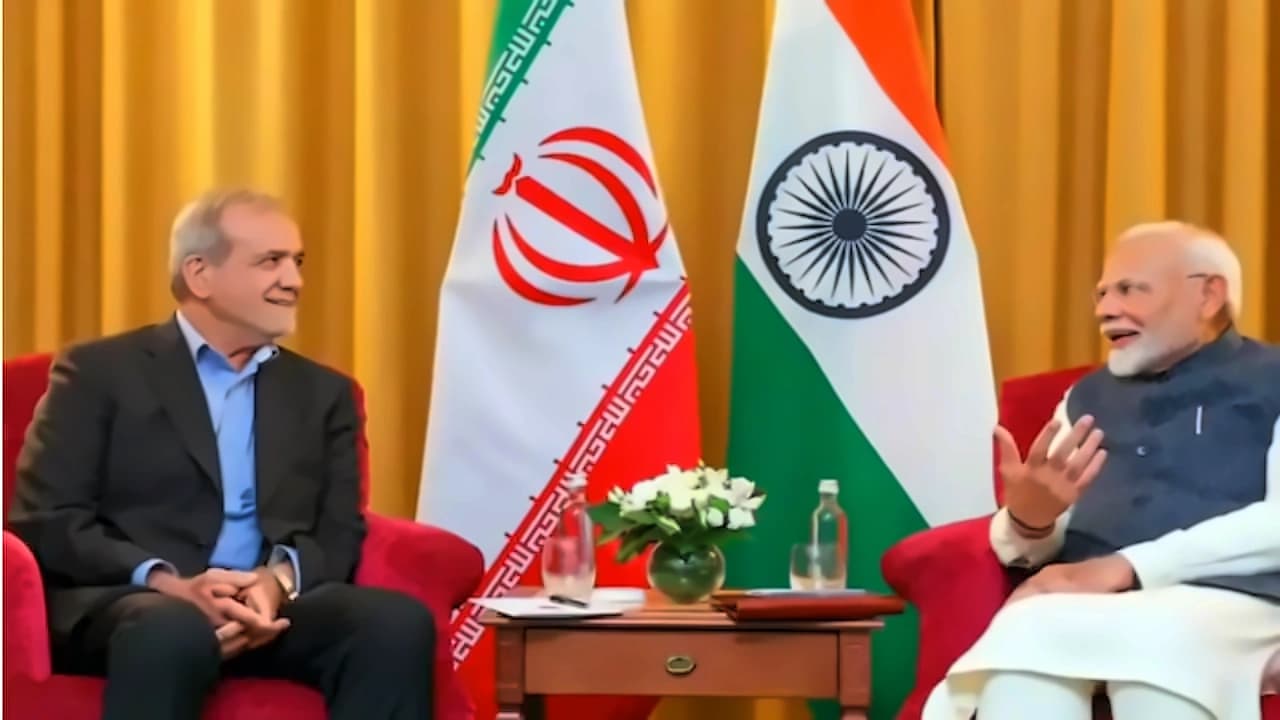
Iranian Foreign Minister Abbas Araghchi reiterated Tehran's longstanding opposition to nuclear weapons during remarks at the BRICS Foreign Ministers' Meeting on Thursday. According to reports from NDTV, Araghchi emphasized that Iran has never pursued nuclear weapons and continues to believe that diplomacy represents the only viable path to resolve regional tensions. Speaking in New Delhi on Friday, Araghchi said 'Iran has never wanted nuclear weapons' and pointed to the 2015 nuclear deal as proof of Tehran's long-standing position. The Iranian minister described the current situation in West Asia as a 'very shaky ceasefire' and asserted that conflicts involving Iran cannot be resolved militarily. 'We are in doubt about their seriousness,' Araghchi told reporters, adding that negotiations could move forward if the US was prepared for a 'fair and balanced deal'. His latest remarks come as a direct response to Donald Trump's statement that the US and China agree 'Iran must not obtain nuclear arms', prompting Araghchi to push back against these claims. The Statesman reports that Araghchi also insisted that Tehran's nuclear programme is peaceful and aimed only at civilian purposes, further clarifying Iran's position on nuclear development.
Speaking in New Delhi on Friday, Araghchi acknowledged that the situation around the Strait of Hormuz is 'very complicated' and revealed that Tehran is actively working to help ease tensions in the strategic waterway. According to latest reports, Araghchi stated that 'Tehran is trying to help ease tensions in the strategic waterway' while acknowledging the complex nature of current conditions. The Iranian minister emphasized that 'The strait of Hormuz is increasingly becoming irrelevant to the world's economy as countries are looking for alternative ways to bypass the strait'. This assessment suggests that while the strait remains strategically important, international trade routes are increasingly finding alternative paths, potentially reducing its geopolitical significance. Araghchi's latest comments provide additional context to his earlier commitment to ensure safe maritime movement, now framed within the broader context of evolving global trade patterns.
A significant development emerged from the BRICS summit with Iran and Oman announcing plans to jointly manage the Strait of Hormuz. Speaking in New Delhi, Araghchi said 'Everything should be managed by Iran and Oman' and confirmed that both countries are currently consulting on future arrangements. This strategic partnership represents a new dimension in regional maritime security arrangements, with the Iranian minister stating that 'both countries are currently consulting on future arrangements to ensure safe passage of all vessels'. The collaboration between the two Gulf nations suggests a coordinated approach to maintaining safe passage through the vital waterway, building upon Iran's earlier commitment to ensure safe maritime movement for all vessels.
The Iranian foreign minister expressed deep skepticism about US intentions, stating 'We have every reason not to trust Americans' during his remarks. Speaking in New Delhi, Araghchi accused the US of changing its stance repeatedly during negotiations, saying 'The current negotiation is suffering from a lack of trust. It is also suffering from the contradictory messages we receive from Americans. Every day is different from yesterday. A tweet today is different from yesterday's'. He claimed the US turned to diplomacy only after failing to achieve its military objectives during the conflict, stating 'After 40 days of war, when the US became hopeless of achieving any goal in their aggression against Iran, they offered negotiation'. Araghchi emphasized that 'We know that some spoilers try to derail diplomacy. The warmongers who want to drag the US again into another war' and maintained that negotiations would continue only if the other side demonstrated seriousness. 'We are not to blame for disruptions in the Strait of Hormuz, and that Tehran did not initiate the war and is only defending itself,' Araghchi told reporters, as per Al Jazeera.
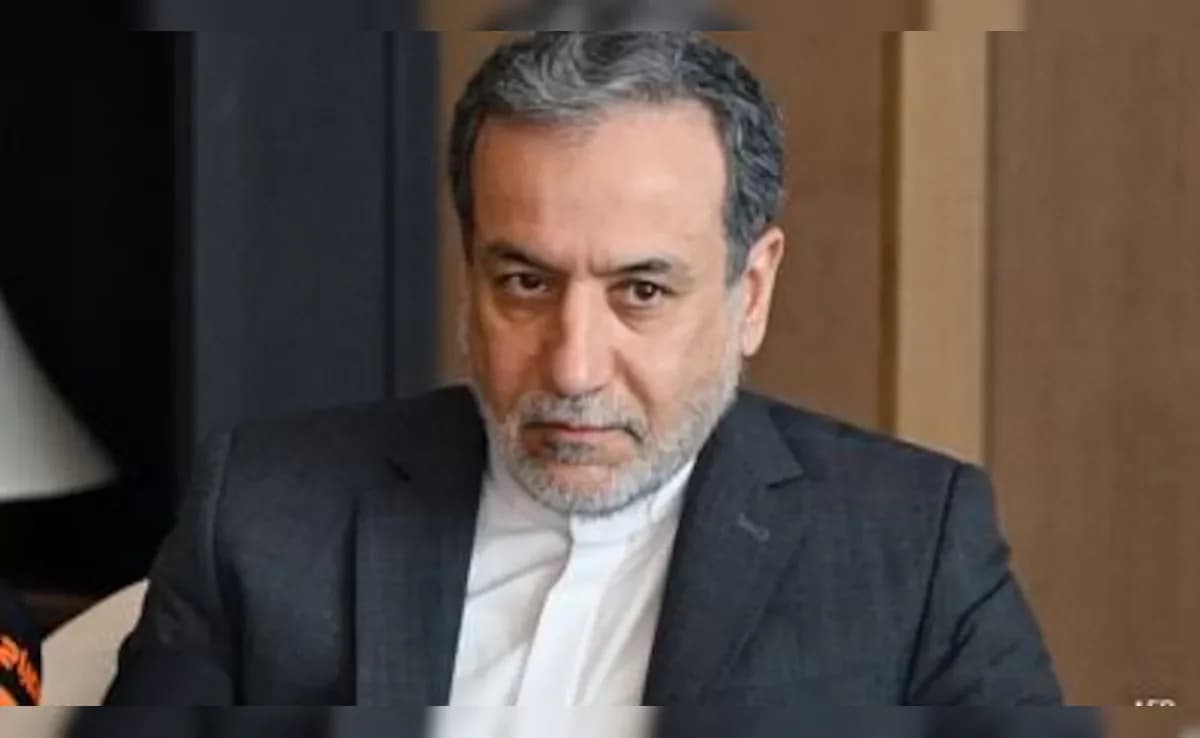
Araghchi also spoke about mediation attempts involving Pakistan and China, saying diplomatic efforts had 'not failed yet' despite being in a 'very difficult course'. He praised China for its role in restoring ties between Iran and Saudi Arabia in the past and said Beijing's involvement in future diplomacy would be welcomed. 'We know the Chinese have good intentions,' he said. The Iranian minister expressed hope that successful negotiations would eventually lead to the complete securing of the Strait of Hormuz and the normalisation of shipping traffic. Beyond geopolitical tensions, Araghchi reaffirmed Iran's strategic partnership with India, describing the Chabahar Port project as a 'symbol of cooperation' and urging India to continue investing in its development despite US sanctions slowing progress. 'We will welcome any constructive role by India,' Araghchi stated on X, as per Al Jazeera.