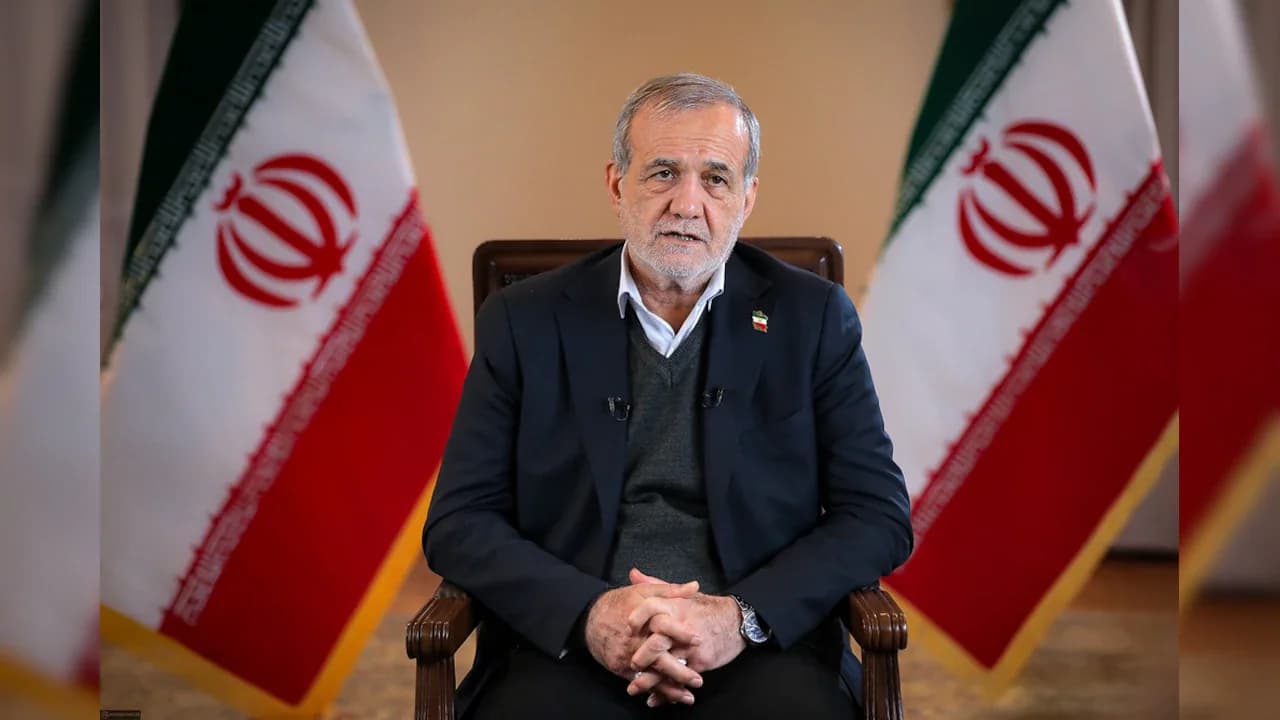
Iran has offered to immediately reciprocate US commitments under the Pakistan- and Qatar-brokered MoU if Washington returns to its obligations. President Masoud Pezeshkian made this statement at the Shanghai Cooperation Organisation (SCO) summit in Bishkek, Kyrgyzstan on Tuesday, a day after the first exchange of fire between the US and Iran in nearly a month. As reported by IRNA, Pezeshkian said "I am stating clearly that if the US returns to its commitments under the memorandum of understanding, the Islamic Republic of Iran will immediately reciprocate." The offer comes as US forces attacked Larak Island, leading to Iran's retaliation with attacks on two airbases used by them in Jordan, marking the latest escalation in the ongoing conflict.
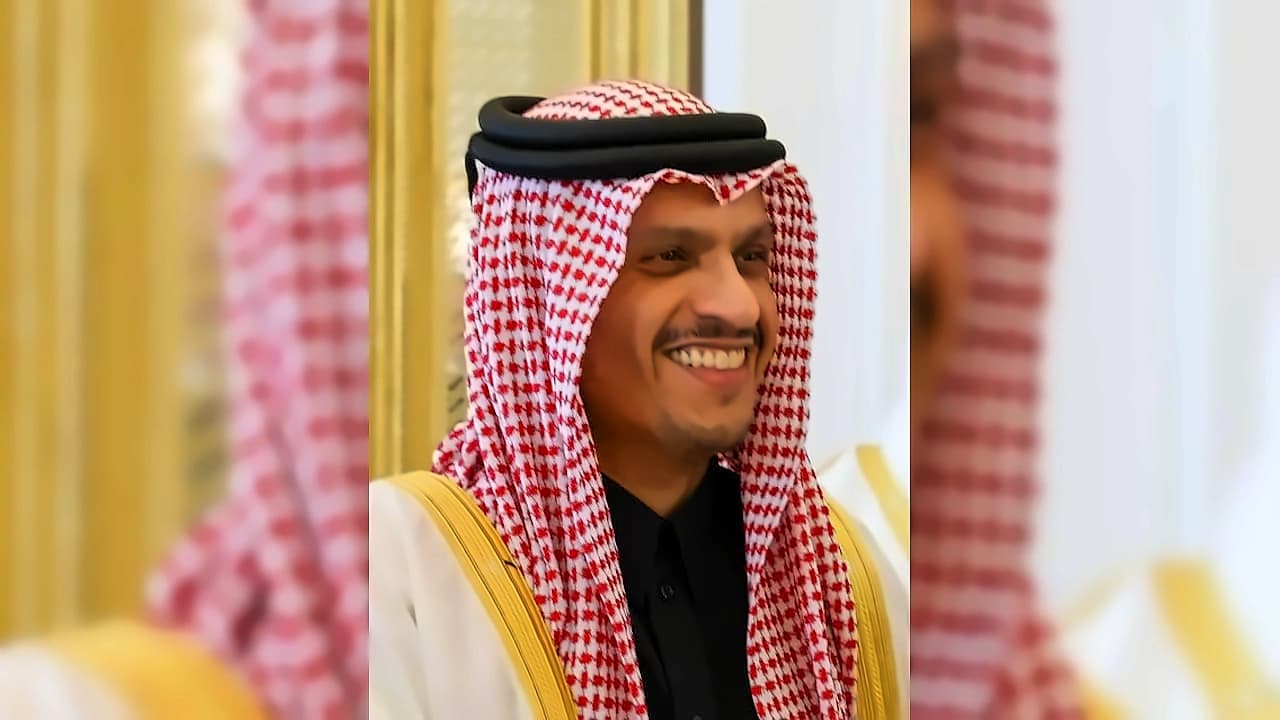
Qatar has intensified diplomatic efforts to help de-escalate military tensions around the Strait of Hormuz, warning that leaving the strategic waterway closed risks further escalation and worsening economic disruption. According to reports from Al Jazeera, Qatar's Foreign Minister Sheikh Mohammed bin Abdulrahman confirmed Doha was in intensive contact with regional partners, including Kuwait, Oman, Saudi Arabia, Bahrain and Türkiye, while continuing discussions with co-mediators Pakistan and Oman following the Qatari prime minister and foreign minister's visit to Iran. The ministry said Qatar had reiterated its support for political and diplomatic efforts to find a comprehensive settlement, emphasizing that the reopening of the Strait has increasingly become an international economic priority. Qatari Foreign Ministry spokesman Majed al-Ansari told a news conference in Doha that Qatar is working with all partners to reach a peaceful solution and reopen the Strait of Hormuz, with officials from Pakistan, Qatar and Oman among others having travelled to Tehran for talks last week in a renewed diplomatic push. While no concrete breakthrough has been announced, further outcomes from the diplomatic engagements are expected to be disclosed in the coming days.
The latest diplomatic efforts come as military tensions have escalated significantly following the collapse of the ceasefire agreement. As reported by IRNA, Iranian Foreign Ministry spokesman Esmaeil Baghaei said the US "broke its promises" under the MoU, while President Masoud Pezeshkian stated that "America's commitment to the document signed by the president of that country lasted less than two weeks." The latest escalation began with US forces attacking Larak Island, leading to Iran's retaliation with attacks on two airbases used by them in Jordan. The MoU lapsed last month after the ceasefire collapsed within weeks, with the US and Iran again exchanging strikes amid Iranian attacks on commercial shipping in the strait. Pakistan's Foreign Minister Ishaq Dar said on Tuesday that "the sincere implementation" of the MoU signed in June remains the "only way forward" to end the US-Israel war on Iran.
The Pakistan- and Qatar-brokered MoU signed in mid-June provided for a 60-day period for negotiations aimed at ending the war that started with US and Israeli strikes on Tehran on February 28. Under the terms of the MoU, Iran agreed to clear the Strait of Hormuz of mines and allow ships to pass during the period, while the US agreed to end its naval blockade, lift sanctions, issue waivers for Iranian oil exports and begin work on a reconstruction package for Iran. The Strait of Hormuz has emerged as the key economic flashpoint in the ongoing conflict, with Qatar emphasizing that attempts to normalize the closure would only encourage further escalation. As reported by Al Jazeera, Qatar stressed the need to safeguard freedom of navigation and energy flows through the critical waterway, with the reopening increasingly becoming an international economic priority that could affect energy supplies, shipping and global markets. Qatar's foreign ministry spokesperson said the country, along with other Gulf Cooperation Council states, would continue pressing for a diplomatic resolution that guarantees security for all parties in the region.
Beyond the Strait of Hormuz crisis, Qatar's foreign ministry raised concerns over Israel's actions in Gaza, the West Bank, Lebanon and Syria, accusing Israel of seeking to create "new realities" amid the wider regional escalation. As reported by Al Jazeera, Qatar called on the international community to take measures against what it described as Israeli violations. Separately, Doha said it remained engaged with all sides in Libya, seeking to support a Libyan-led reconciliation process. Al-Ansari emphasized that "the return of escalation in the region is in no one's interest," highlighting the urgent need for diplomatic resolution to prevent further military confrontations.