Prime Minister Narendra Modi held a telephonic conversation on Tuesday with President Masoud Pezeshkian of Iran, as reported by the Prime Minister's Office (PMO). The conversation focused on recent developments in West Asia and potential future directions for regional stability. According to the PMO statement, Modi welcomed the understanding reached and reiterated India's long-standing position that all outstanding issues should be addressed through dialogue and diplomatic channels. Modi emphasized that all issues must be resolved through dialogue and diplomacy, maintaining India's consistent approach to regional diplomacy. Following the call, Prime Minister Modi posted a message on X stating: "Spoke with the President of Iran, Dr. Masoud Pezeshkian, on the recent developments in West Asia. Welcomed the progress made in the negotiations and expressed hope that continued efforts will lead to lasting peace in the region. Reiterated the importance of freedom of navigation in the Hormuz Strait for India and the World."
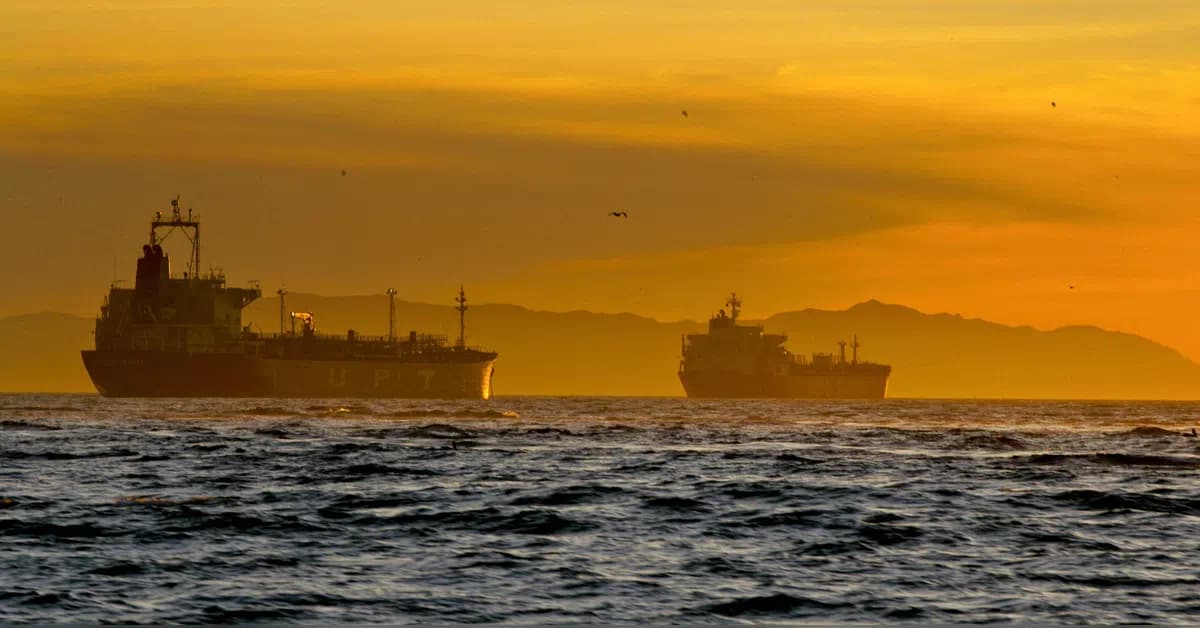
During the interaction, Modi reiterated the importance of freedom of navigation in the Strait of Hormuz for India and the world, as stated by the PMO. The Prime Minister emphasized the need for continued efforts to ensure lasting peace and stability in the region, and for safeguarding freedom of navigation and commerce. This strategic focus reflects India's critical economic interests in maintaining open shipping lanes through the vital waterway amid rising regional tensions. The PMO statement noted that Prime Minister Modi also called for continued work towards lasting peace and stability, with emphasis on safeguarding shipping routes and trade through key sea lanes. Modi stressed the need for sustained efforts to ensure lasting peace and stability in West Asia, while underscoring the importance of safeguarding freedom of navigation and international commerce. As per India Today TV, New Delhi has repeatedly emphasised the importance of keeping vital global shipping lanes open, particularly the Strait of Hormuz, through which a significant portion of the world's oil supplies passes. The conversation comes as concerns continue over disruptions and security challenges in the region, including developments linked to the strategically significant Strait of Hormuz, a vital route for global oil and energy shipments.
According to the PMO statement, President Pezeshkian briefed Prime Minister Modi on recent developments in West Asia and the way forward. The conversation covered current regional dynamics and potential future trajectories for regional stability and cooperation. The diplomatic engagement represents ongoing efforts to maintain dialogue between India and Iran on regional security and economic matters, with both leaders discussing the latest situation in the region and sharing assessments of developments. The PMO emphasized that Prime Minister Modi kept the emphasis on diplomacy, stability, and safe passage through the Strait of Hormuz during the call. The conversation came at a crucial time as diplomatic efforts continue to preserve the fragile peace agreement between Iran and the United States after months of hostilities.
The call comes at a delicate moment for the ongoing US-Iran negotiations, as reported by NDTV. Washington and Tehran signed a memorandum of understanding on June 17, which included an end to Iranian restrictions on the Strait of Hormuz, a reduction of US military assets in the region and relief from sanctions, alongside a 60-day timeline to settle the unresolved question of Iran's nuclear programme. This was followed by a formal four-way meeting between the US, Iran and mediators Qatar and Pakistan in Switzerland's Bürgenstock resort on June 21 and 22. However, that agreement came under pressure after US forces struck Iranian military targets after accusing Tehran of attacking commercial shipping in the strait, including a drone strike on an oil tanker. Iran's Revolutionary Guard Corps responded by targeting US military sites in Bahrain and Kuwait, with US President Donald Trump warning of further military action if the strikes continued, while Iranian officials said any further US action could bring a complete halt to negotiations. India has consistently called for restraint, de-escalation and diplomatic engagement to resolve conflicts in the region, while also stressing the need to protect economic and trade interests.
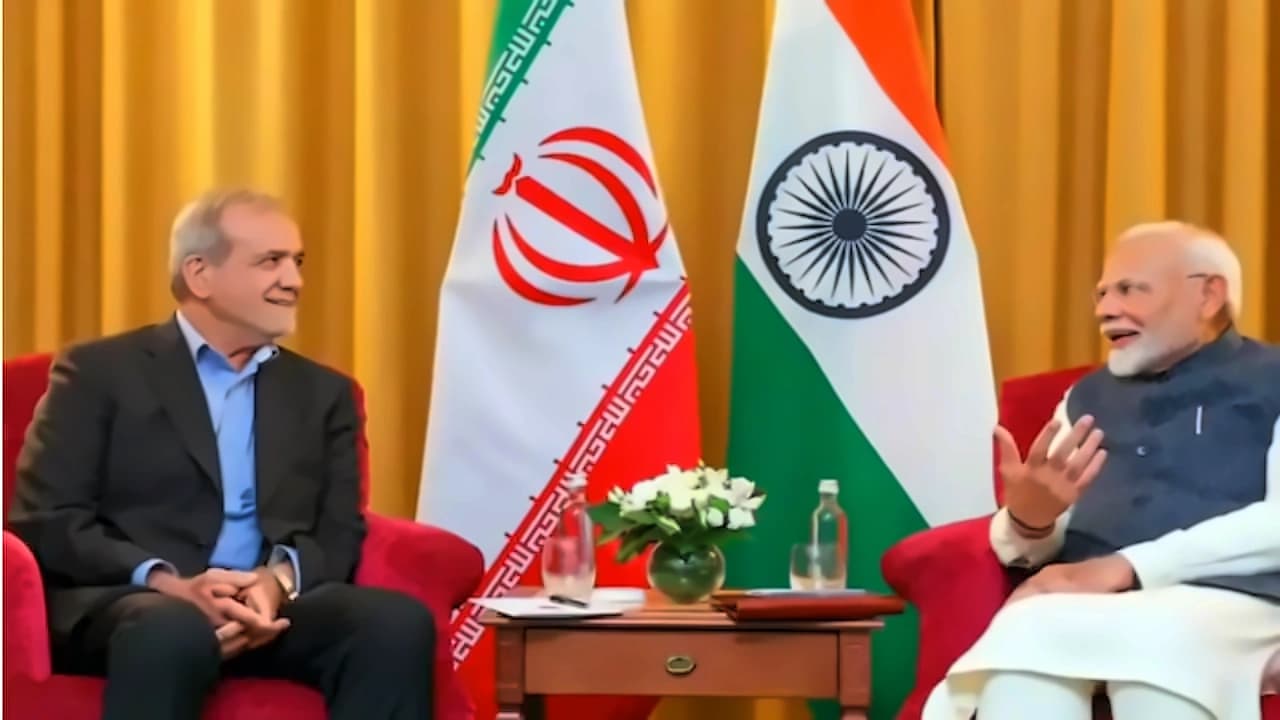
Iranian President Pezeshkian had invited Prime Minister Modi to the burial ceremonies for Iran's late Supreme Leader Ayatollah Ali Khamenei, as reported by PTI. The ceremonies are scheduled to begin on July 4 and conclude on July 9 with his burial in Mashhad, the holy city in northeastern Iran where he was born. State media has also announced that memorial ceremonies will be held in the holy city of Qom on July 7. The Indian government decided to send Minister of State for External Affairs Pabitra Margherita and Bihar Governor Lt Gen (Retd) Syed Ata Hasnain to represent India at the funeral, as confirmed by government sources to India Today TV. The timing of Khamenei's funeral had remained uncertain since his assassination during the opening phase of the Israel-Iran conflict earlier this year. Under Islamic tradition, burial normally takes place as soon as possible after death, however, exceptions are permitted during extraordinary circumstances, including war.