Shipping traffic through the Strait of Hormuz increased to 10 vessels on Wednesday, up slightly from 8 on Tuesday, according to data from Kpler reported by The Hindu BusinessLine. This represents a slight recovery from the severely disrupted levels that have persisted since February, when the waterway handled one-fifth of global oil and liquefied natural gas shipments before the conflict began. The latest traffic included two medium-range fuel tankers, a liquefied petroleum gas carrier, a Panamax-sized tanker, and three handymax-sized tankers entering the strait from the Gulf of Oman, while a medium-range fuel tanker, a bitumen tanker and a bulk carrier exited from the Gulf. However, the traffic remains below the 10-day moving average of about 15 vessels, indicating continued disruption despite the recent uptick.
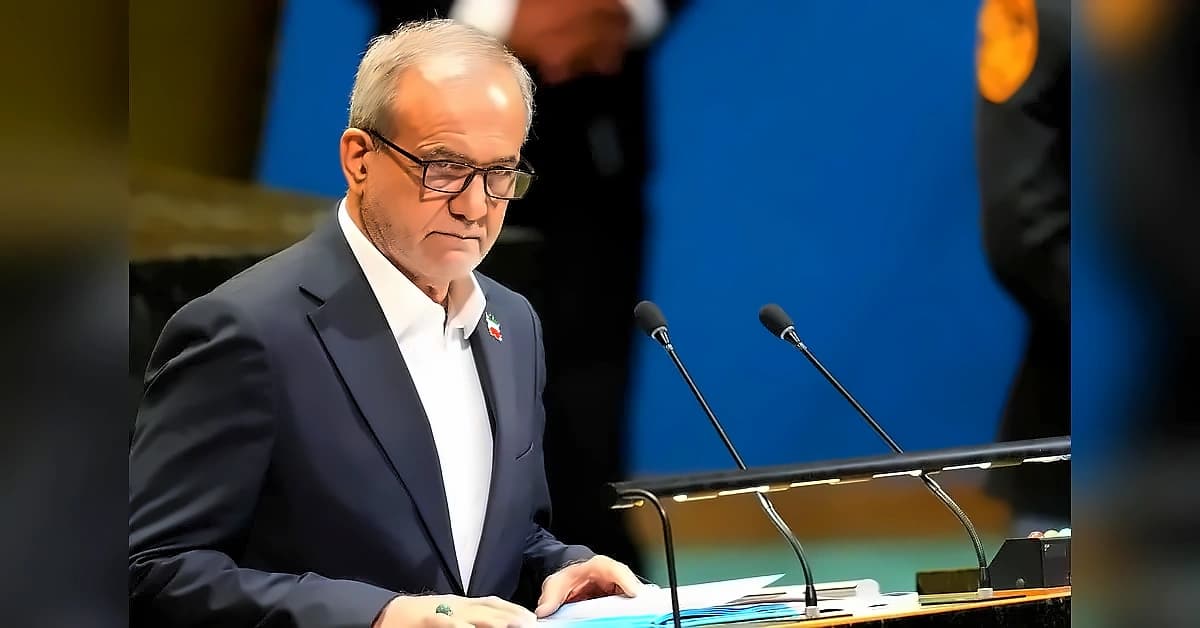
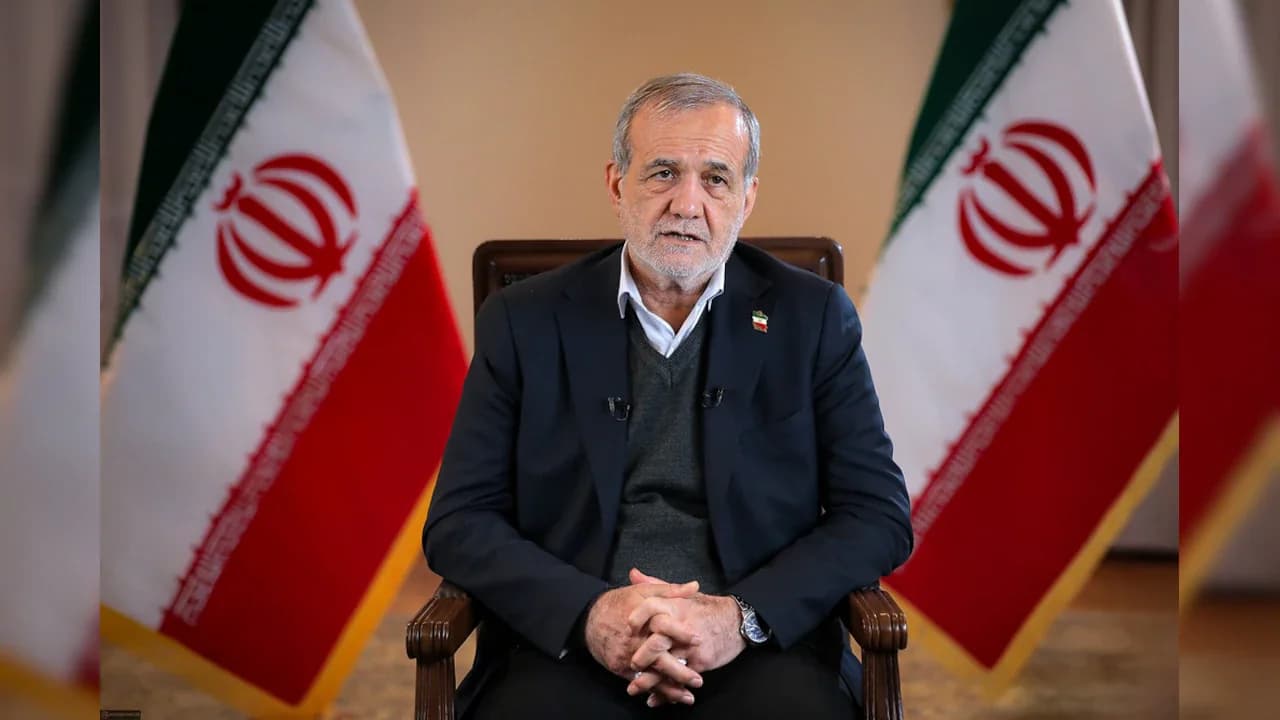
Iran and Oman are still working on the details of an agreement on the Strait of Hormuz, with a senior Iranian source telling Reuters on Wednesday that 'an agreement with Oman over the Strait of Hormuz has not been finalised.' The latest development comes after Iran's Revolutionary Guards said the two countries had agreed how to share the waterway and its revenues, as reported by state-linked media. The elite force's spokesperson Hossein Mohebbi confirmed that 'In these negotiations, agreements have been reached regarding the share of each country in the waters of the Strait and the share of Iran and Oman in its revenues.' However, it was not immediately clear at what stage of the negotiations the agreements had been reached, with Iran having said earlier this month that a deal on the strait was close.
Traffic at the Bab el-Mandeb strait also slowed for a second consecutive day, with 19 commodity vessels passing through on Wednesday, down from 24 on the previous day, according to Kpler data reported by The Hindu BusinessLine. This disruption at the other key waterway highlights the broader geopolitical standoff affecting regional shipping routes. Some vessels may be sailing at the key waterways with their transponders turned off and may be missed in the official counts, adding to the uncertainty about actual traffic levels.
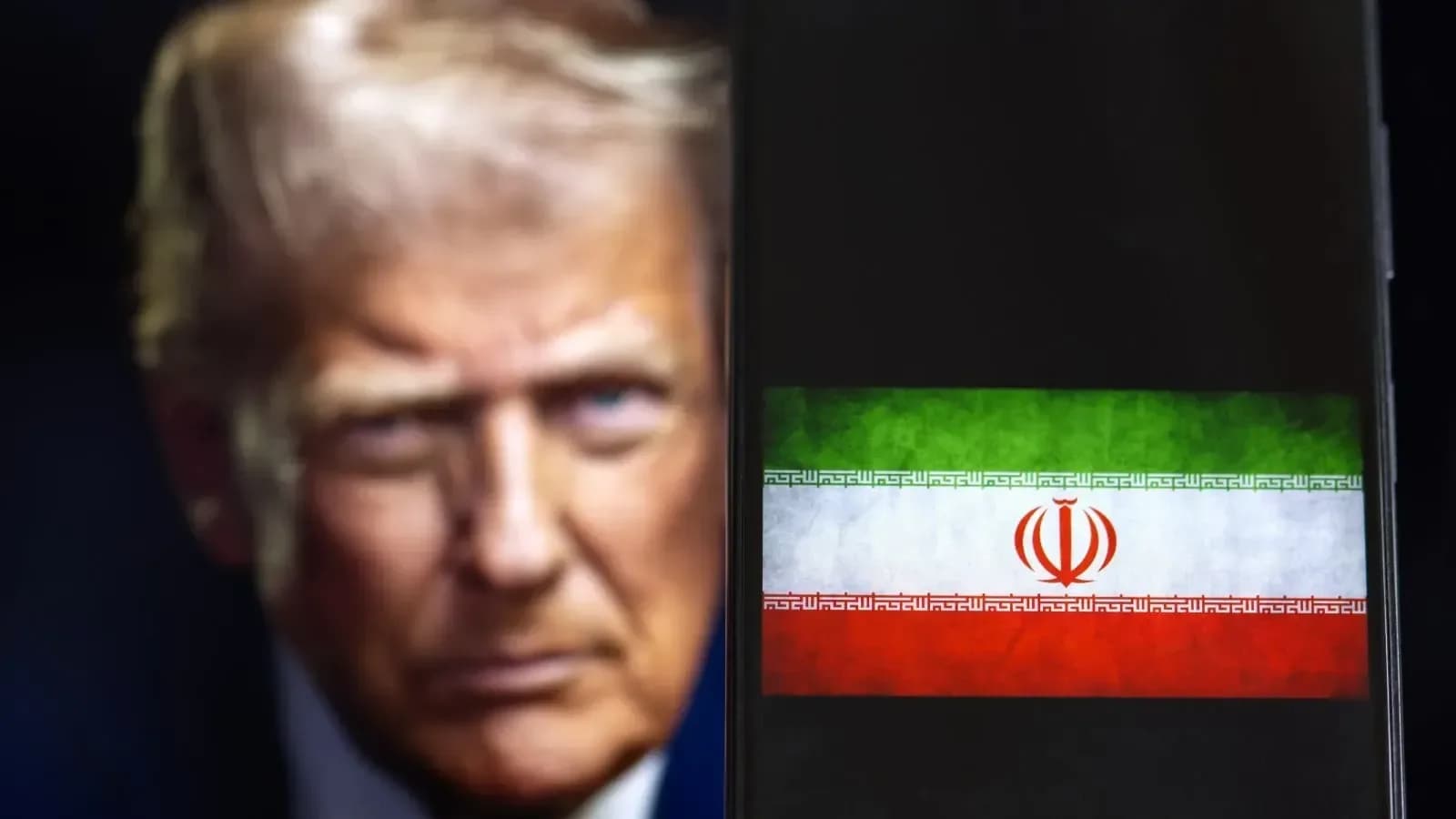
US President Donald Trump has warned Oman against cooperating with Iran, telling Fox News on August 17: 'If Oman gets in the way, we'll bomb the shit out of them.' The IRGC has accused the United States of seeking to obstruct Iran's negotiations with Oman and said this had caused an agreement to be delayed. Those conditions include an end to the US blockade on Iranian ports, compensation and removal of sanctions. 'If the United States stops obstructing and returns to the agreement, we can open the Strait of Hormuz within the framework of the agreement reached,' Mohebbi said, adding that 'If the United States does not accept our conditions, the Strait of Hormuz will not be opened under any circumstances.'
Iran and Oman have reached a significant agreement on Tuesday, August 25, issuing a joint statement on safe navigation through the Strait of Hormuz. The proposed framework includes the establishment of a temporary joint navigation corridor via the key connectivity route and an agreement to implement a project to clear the Strait of mines. As reported by Oman's Ministry of Foreign Affairs, the statement emphasizes 'the importance of holding joint discussions with the Gulf littoral states' and 'the necessity of adhering to the provisions of international law and respecting the sovereign rights of coastal states.' Omani Foreign Minister Badr Albusaidi said he was 'hopeful we will soon announce a temporary corridor for the Strait of Hormuz and practical arrangements to restore safe navigation' following Tuesday's talks.